
Turn quiet afternoons into listening time
- Thousands of audiobooks, podcasts and originals
- Listen on your phone, tablet or Echo — also offline
- Cancel anytime
The Real Decision: Soft Cushioning Now or Real Support for Years
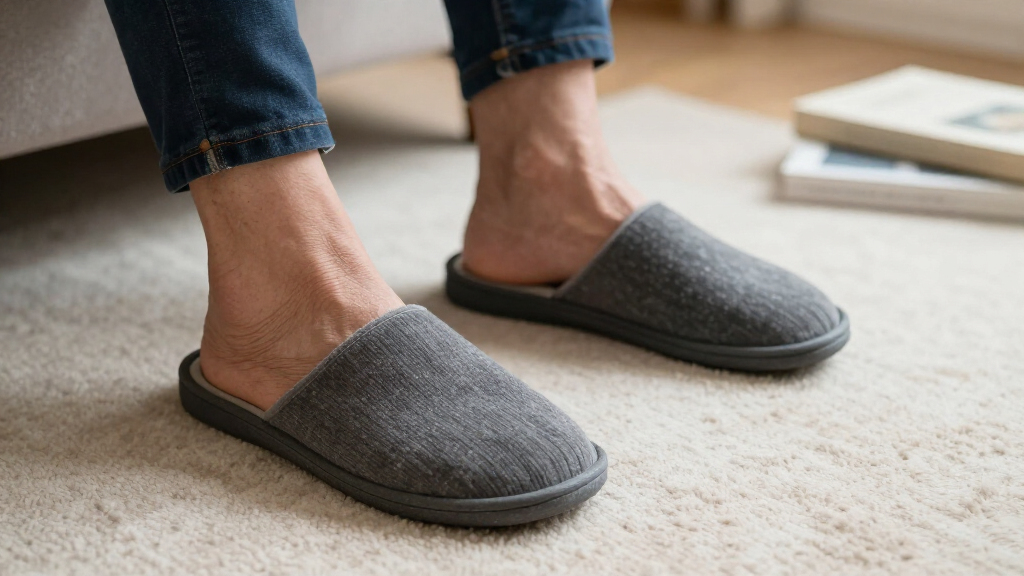
When shopping for comfortable slippers for seniors, most buyers end up weighing two very different products against each other: inexpensive memory foam slippers from a big-box retailer or marketplace brand, and premium orthopedic slippers from specialized footwear makers like Vionic, OrthoFeet, or Abeo. On the surface they look similar — soft, closed-toe, easy to slip on — and both are marketed with the word ‘orthopedic’ somewhere in the listing. That marketing overlap is exactly why the comparison gets confusing.

Orthopedic Canvas Mule Slippers for Women with Arch Support
- ✔ ASIN: B086ZSRVNY
- ✔ Sole Material: Rubber (TPR)
- ✔ Outer Material: Canvas
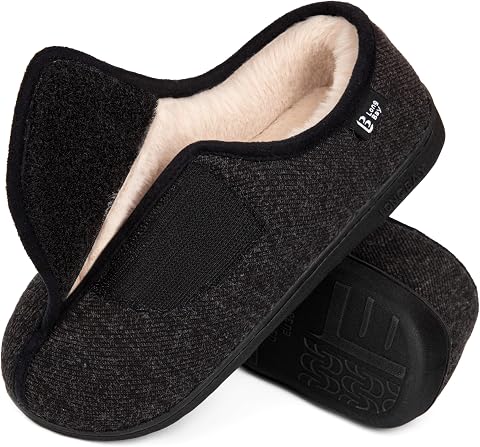
LongBay Women’s Adjustable Memory Foam Slippers with Non-Slip Rubber Sole
- ✔ ASIN: B07QZRTGDQ
- ✔ Sole Material: Rubber
- ✔ Upper Material: Textile (wool-like knit)

COFACE Women’s Slippers with Arch Support – Open Toe Fuzzy House Shoes for Plantar Fasciitis
- ✔ ASIN: B08CK569H1
- ✔ Upper Material: Rabbit hair faux fur
- ✔ Sole Material: Synthetic rubber (textured anti-slip)
The real difference is structural. Budget memory foam slippers are built around a soft foam footbed that feels wonderful on day one but compresses and flattens over months of use. Premium orthopedic slippers are built around a contoured, firmer footbed with a defined arch, a heel cup, and a stiffer outsole designed to keep the foot aligned and stable. One prioritizes plush immediate comfort; the other prioritizes corrective support, balance, and durability. Neither is universally better — the right choice depends heavily on the wearer’s feet, mobility, and how many hours a day they spend in slippers.
For a senior with healthy feet who wants something cozy for an hour in the morning, the budget option often wins outright. For a senior who lives in their slippers, has plantar fasciitis, arthritis, diabetes-related foot sensitivity, or a history of falls, the premium option is usually the smarter buy despite costing three to five times more. This guide breaks the decision down criterion by criterion so you can match the product to the person rather than overpaying or underbuying.
Orthopedic Canvas Mule Slippers for Women with Arch Support
This canvas mule earns our top spot because it is the only model in this lineup built as a true orthotic device first and a slipper second. The deep heel cup stabilizes the rear foot with every step, the padded metatarsal support lifts the forefoot, and the arch support holds the midfoot in a neutral position — a three-part structure the other two options approximate with memory foam alone. For seniors with diagnosed plantar fasciitis or chronic forefoot pain, that structural difference is the whole story.The wide toe box is another differentiator. Where the COFACE open-toe leaves toes exposed and the LongBay wraps them in faux fur, this mule gives bunions and hammertoes actual room to splay without pressure — while still protecting them. The suede insole and velvet lining add comfort without undermining the support underneath, and the anti-skid TPR rubber sole handles both indoor floors and quick trips to the mailbox better than the lighter soles on the COFACE.The tradeoffs are real, though. The weathered canvas upper will scuff and wear faster than leather, and it looks more casual than the plush alternatives. Compared with the LongBay, it offers no adjustability — if your feet swell significantly during the day, the fixed pull-on fit may feel restrictive by evening. This pick makes the most sense for seniors who prioritize all-day foot pain relief over cozy aesthetics.
Pros:
- True orthotic structure: arch support, deep heel cup, and metatarsal padding work together to relieve plantar fasciitis and forefoot pain
- Wide toe box comfortably accommodates wide feet, bunions, and hammertoes
- Durable anti-skid TPR rubber sole handles indoor and light outdoor use
- Suede insole with velvet lining stays comfortable through all-day wear
Cons:
- Canvas upper is less durable than leather alternatives
- No adjustability — not ideal for feet that fluctuate in size
- Only moderately suited to extended outdoor use
Best for: Seniors with plantar fasciitis, bunions, or hammertoes who need structured orthotic support all day
Not ideal for: Anyone whose feet swell noticeably, or who wants a plush, slipper-soft feel rather than firm support
Bottom line: The most complete orthotic package of the three, and the best overall choice for seniors whose foot pain demands structure, not just cushioning.
“The most complete orthotic package of the three, and the best overall choice for seniors whose foot pain demands structure, not just cushioning.”
LongBay Women’s Adjustable Memory Foam Slippers with Non-Slip Rubber Sole
Where the canvas mule assumes a stable foot shape, the LongBay solves a problem the other two simply ignore: feet that change size during the day. The adjustable hook-and-loop strap opens up to five centimeters of fit range, which means the same slipper can fit comfortably in the morning and again after evening swelling. For seniors managing edema, neuropathy, or post-surgery recovery, this adaptability is worth more than any single cushioning feature.The 80D high-density memory foam insole takes a different approach to comfort than our top pick. Instead of a rigid orthotic structure, it molds to the foot’s contour and cushions each step — softer underfoot, but less corrective. Seniors who find firm orthotic beds uncomfortable will actually prefer this feel. The wool-like knit upper and faux fur lining make it the warmest option in the lineup, and the non-slip rubber sole performs comparably to the canvas mule’s TPR for indoor grip.Two cautions shape the buying decision. First, sizing runs large — slim-footed buyers should size down, which partly offsets the strap’s adjustability. Second, that thick faux fur lining is genuinely warm; in a hot climate or an overheated home, the COFACE’s open toe is the more sensible pick. Being machine washable is a practical bonus the other two lack, especially for anyone with incontinence or mobility limitations that lead to dirty slippers.
Pros:
- Adjustable hook-and-loop strap (up to 5 cm) accommodates swollen, wide, or slim feet
- High-density 80D memory foam cushions and supports feet affected by plantar fasciitis, edema, or neuropathy
- Non-slip rubber sole works indoors and for light outdoor use
- Machine washable — the easiest of the three to keep clean
Cons:
- Runs large; slim feet may need a full size smaller
- Faux fur lining is too warm for hot climates or summer wear
- Memory foam cushions but offers less corrective structure than a true orthotic footbed
Best for: Seniors with edema, swelling, or foot conditions whose size fluctuates and who want a warm, washable slipper
Not ideal for: Hot climates or warm-natured wearers, due to the insulated faux fur lining
Bottom line: The most adaptable option here, and the clear choice for seniors whose feet swell — provided the warm lining suits their climate.
“The most adaptable option here, and the clear choice for seniors whose feet swell — provided the warm lining suits their climate.”
COFACE Women’s Slippers with Arch Support – Open Toe Fuzzy House Shoes for Plantar Fasciitis
The COFACE takes the opposite approach to the LongBay on temperature: instead of wrapping the foot in fur, its open-toe design lets heat escape, making it the most breathable pick for seniors in warm climates or those who run hot. Pair that with the moisture-wicking fleece and cotton lining, and feet stay drier than in either fully lined alternative — a genuine plus for skin health and odor control.Underfoot, the thick TPE memory foam with arch support aims to improve foot and leg alignment, and it does deliver noticeable relief for mild plantar fasciitis. That said, compared with the canvas mule’s deep heel cup and metatarsal padding, the support here is softer and less corrective — better for occasional aches than persistent structural pain. The textured anti-slip sole is a quiet, secure performer on hard floors, and the eight available sizes (including a half size at 8.5) offer the broadest size range of the three.The main drawback is the fit experience: these slippers feel snug out of the box and need a break-in period to stretch to shape. That is essentially the inverse of the LongBay’s problem — one runs large, the other runs tight — so sizing expectations matter with both. Also note that the open toe leaves bare toes exposed; seniors with hammertoes or a history of stubbing injuries get better protection from the canvas mule’s enclosed wide toe box.
Pros:
- Open-toe design and moisture-wicking fleece lining keep feet cool, dry, and healthy
- TPE memory foam insole with arch support relieves mild plantar fasciitis discomfort
- Textured anti-slip sole offers secure, quiet grip on indoor floors
- Available in eight sizes (5–11), the widest size range of the three
Cons:
- Snug out of the box — requires a break-in period to stretch to fit
- Open toe exposes toes, offering no protection for hammertoes or stubbing
- Softer, less corrective support than the structured footbed of the canvas mule
Best for: Seniors in warm climates who want breathable, cushioned arch support and don’t need heavy structural correction
Not ideal for: Anyone needing toe protection, immediate out-of-the-box fit, or firm orthotic control
Bottom line: The right pick when breathability outranks structure — a comfortable warm-weather option, provided you’re patient with the break-in.
“The right pick when breathability outranks structure — a comfortable warm-weather option, provided you’re patient with the break-in.”
As an Amazon Associate we earn from qualifying purchases.
At a Glance
| Criteria | Budget memory foam slippers ($20–40) | Premium orthopedic slippers ($80–160) | Winner |
|---|---|---|---|
| Arch support and foot alignment | Minimal; flat foam footbed with soft contour that compresses quickly | Strong; molded footbed with defined arch and heel cup maintained over time | B |
| Immediate out-of-box comfort | Excellent; plush and cozy from the first wear | Moderate; firmer feel needs a 1–2 week break-in period | A |
| Stability and fall prevention | Weak; soft, flexible soles offer little torsional stability | Strong; stiffer soles, grippy outsoles, some carry therapeutic ratings | B |
| Fit adjustment for swollen or wide feet | Often stretchy uppers, but little structured adjustment | Often available in wide/extra-wide with adjustable straps or boas | B |
| Durability and lifespan | Short; foam flattens in 3–9 months of daily wear | Long; structured footbeds hold shape for 1–3 years | B |
| Indoor/outdoor versatility | Usually thin indoor-only soles, slick on wet surfaces | Most have rubber outsoles safe for indoor and brief outdoor use | B |
| Ease of putting on | Very good; slip-on styles dominate the category | Good; adjustable closures help but some styles need two hands | A |
| Price and value | $20–40; cheap to replace, low cost per month early on | $80–160; higher upfront cost, better cost per month long-term | Depends |
Key Differences
Key Differences That Actually Matter
The single most consequential difference is the footbed. Memory foam feels supportive for the first few weeks because it conforms to whatever shape your foot already has — but it does nothing to correct or support alignment, and once it compresses, you are effectively walking on a flattened pancake. A contoured orthopedic footbed does the opposite: it holds the arch in a neutral position, cups the heel, and distributes pressure across the whole sole instead of concentrating it on the heel and ball of the foot. For seniors with plantar fasciitis, fallen arches, or arthritis, this is the difference between symptom relief and symptom reinforcement. For seniors with no foot problems, the contoured footbed can feel unnecessarily firm, which is why fit-to-user matters more than any spec sheet.
The second major difference is safety, and it is the one families most often underestimate. Falls are the leading cause of injury in adults over 65, and slippers are implicated in a surprising share of household falls. Cheap slippers typically have soft, flexible soles with modest tread; they can slide on tile, fold under the foot on stairs, and provide no resistance to the ankle rolling inward. Premium orthopedic slippers generally use firmer, grippier rubber outsoles with wider bases, and several models are designed explicitly to reduce fall risk. If the wearer navigates stairs, hardwood, or tile floors regularly, this criterion alone can justify the price gap.
The third difference is economics over time. A $30 pair of memory foam slippers replaced every six months costs $60 a year; a $120 pair of orthopedic slippers that lasts three years costs $40 a year while delivering better support throughout. The premium option is only expensive upfront — for daily wearers, it is frequently the cheaper choice per month of use. The budget option only wins on economics when slippers are worn occasionally, because occasional use is the one scenario where the foam never fully compresses and the durability gap closes.
Detailed Comparison
Budget memory foam slippers market themselves heavily on ‘arch support,’ but the support is a soft bump in the foam that flattens under body weight within weeks. There is no structural element holding the arch, so a foot that pronates will continue to pronate, and conditions like plantar fasciitis get cushioning but not correction. Premium orthopedic slippers use molded EVA or cork-latex footbeds — sometimes removable orthotic insoles — that maintain their contour for the life of the slipper. The arch is firm enough to actually reposition the foot, and the heel cup stabilizes the rearfoot. The gap here is major, and it is the core reason the premium category exists. If the wearer has any diagnosed foot condition or chronic heel/arch pain, this criterion should drive the entire decision. If their feet are healthy and pain-free, the gap matters far less.
Immediate out-of-box comfort (Budget memory foam slippers ($20–40) wins — moderate)
Here the budget option wins decisively, and pretending otherwise would be dishonest. Memory foam slippers feel luxurious immediately — warm, plush, zero break-in. Premium orthopedic slippers feel firm, even slightly awkward, for the first one to two weeks while the foot adapts to the contour. Many seniors, especially those with sensitive or arthritic feet, initially perceive the orthopedic footbed as uncomfortable and want to return to the soft pair. In practice, the adaptation period passes and the contoured footbed becomes comfortable for most wearers, but buyers should set that expectation upfront: two weeks of firmness in exchange for years of support. For someone who genuinely cannot tolerate a firm footbed — thin fat pads, severe neuropathy, or extreme tenderness — the budget option’s plushness is a legitimate advantage, not just a consolation prize.
Budget slippers almost universally have soft, thin, flexible soles — sometimes little more than brushed fabric with a light tread. They offer no torsional resistance, meaning the slipper twists with the foot instead of resisting it, and tread grip is often inadequate on tile or polished hardwood. Premium orthopedic slippers typically feature firmer midsoles, true rubber outsoles with deep tread, wider platforms, and in some cases designs tested with fall-risk populations in mind. For a senior with any balance concerns, a history of falls, or regular stair use, this is the most important criterion on the list, and the gap is major. The practical translation: the budget option is acceptable on carpeted single-level homes; the premium option is the safer choice everywhere else.
Senior feet are not static — swelling from circulation issues, bunions, hammer toes, and post-surgery changes all demand accommodative fit. Budget slippers handle this with stretchy knit uppers, which work for mild width variation but provide no way to tighten a loose fit, and loose slippers are themselves a tripping hazard. Premium brands like OrthoFeet build their entire lineup around this problem: wide and extra-wide widths, seamless interiors for diabetic sensitivity, adjustable closures (hook-and-loop straps or dial boas) that adapt to daily swelling, and roomy toe boxes for deformities. The gap is moderate to major depending on the foot. For a standard-width, uncomplicated foot, it barely matters. For swollen, wide, or diabetic feet, the budget category often simply cannot deliver a proper fit.
Memory foam compresses permanently under repeated load. With daily wear, most budget pairs lose their cushioning within three to nine months, and the outsole tread wears smooth around the same time. The slipper keeps looking fine while providing almost none of its original comfort. Premium slippers use materials — molded EVA, cork blends, stitched construction, real rubber outsoles — that hold their shape and function for one to three years of daily use. The durability gap is major for daily wearers and largely irrelevant for occasional wearers, which is why the value verdict splits by usage intensity. A practical note: when a memory foam slipper goes flat, replace it. A flattened slipper is worse than no slipper for anyone with foot pain, because it adds a slippery, unsupportive layer between foot and floor.
Most budget slippers are indoor-only: thin soles that soak through instantly, degrade on rough concrete, and offer no puncture protection. That is workable if the wearer never steps outside, but many seniors grab the mailbox, sit on the porch, or walk to the car in slippers. Premium models almost universally have genuine rubber outsoles rated for indoor and brief outdoor use. The gap is moderate — it does not affect comfort or health directly — but it affects convenience and safety at the doorstep, where wet steps plus slick slipper soles are a genuinely dangerous combination.
Ease of putting on (Budget memory foam slippers ($20–40) wins — minor)
For seniors with limited hand dexterity, hip flexibility, or back pain, getting a slipper on matters as much as anything else. Budget slip-ons are usually the easiest: open the throat, slide the foot in, done. Premium orthopedic slippers come in both slip-on and adjustable styles, and the adjustable ones — while better fitting — require bending or using hands to fasten straps. Some premium brands offer hands-free step-in designs with structured heels that solve this, but within the category as a whole, ease of donning is more hit-or-miss. The gap is minor but real; if the wearer has severe arthritis in the hands or cannot reach their feet, verify the specific model is step-in friendly before buying either category.
Price and value (moderate difference)
Budget slippers cost $20–40; premium orthopedic slippers cost $80–160, sometimes more. On sticker price the budget option wins by a factor of three to five. But value depends on cost per month of usable life and on what the slipper delivers medically. For daily wearers, the premium pair’s longer lifespan roughly equalizes the annual cost while providing support the budget pair never offers. For occasional wearers — an hour a day, a few days a week — the budget pair may never fully compress, lasts years, and the premium investment buys benefits the wearer does not need. This is the one criterion where ‘it depends’ is the honest answer, and the deciding variable is hours worn per day.
Budget memory foam slippers ($20–40): Pros and Cons
Pros:
- Luxurious, cushioned feel from the very first wear — no break-in period
- Very low upfront cost, typically $20–40
- Slip-on designs are effortless to put on for anyone with limited mobility
- Easily and cheaply replaced; low stakes if preferences change
- Stretchy uppers tolerate mild width variation and swelling
Cons:
- Foam footbed compresses and loses cushioning within months of daily wear
- No real structural arch support or heel alignment — marketing claims aside
- Soft, flexible soles with weak tread increase slip and fall risk
- Usually indoor-only; soles fail quickly outdoors and on wet surfaces
- No width-specific sizing or genuine adjustability for problem feet
Pros:
- Molded footbeds provide genuine arch support and heel alignment that lasts
- Firmer midsoles, grippy rubber outsoles, and wider bases reduce fall risk
- Wide/extra-wide sizing and adjustable closures accommodate swelling, bunions, and diabetic feet
- One to three years of daily-use lifespan; better long-term economics for heavy wearers
- Indoor/outdoor soles handle porches, driveways, and wet doorsteps safely
Cons:
- Three to five times the upfront cost, $80–160 or more
- Firm footbed needs a one-to-two-week adaptation period that some seniors dislike
- Adjustable models require hand dexterity or bending to fasten
- Wrong contour for a given foot type can feel worse than cheap foam — sizing and arch height matter
- Overkill for someone who wears slippers only occasionally
Who Should Choose What
Choose Budget memory foam slippers ($20–40) if:
- The wearer has healthy, pain-free feet and no balance concerns
- Slippers are worn only occasionally — an hour or two a day at most
- The home is single-level and fully carpeted, minimizing slip and fall risk
- Budget is tight or the wearer tends to lose or damage slippers quickly
- The wearer has tried firm orthopedic footbeds and finds them intolerable due to neuropathy or extreme sensitivity
Choose Premium orthopedic slippers ($80–160) if:
- The wearer has plantar fasciitis, flat feet, arthritis, bunions, or chronic foot pain
- Slippers are the primary footwear — worn most of the day, every day
- There is any history of falls, balance issues, or the home has hard floors and stairs
- Feet are wide, swollen, or diabetic and need true width sizing and adjustability
- The wearer steps outside in slippers — mailboxes, porches, gardens, driveways
Skip both if: The wearer is an active senior who mainly needs indoor/outdoor hybrid footwear or true shoes — a supportive walking shoe with a stiff sole will serve better than any slipper, and open-heel scuffs should be avoided entirely for anyone with fall risk.
Value for Money
Is the Premium Price Worth It?
For daily wearers, yes — and the math is more favorable than the sticker prices suggest. A $30 memory foam pair replaced twice a year costs $60 annually and delivers degrading comfort across each cycle. A $120 orthopedic pair lasting three years costs $40 annually and delivers consistent support the entire time. The premium option is both cheaper per month and functionally superior for anyone with foot problems or fall risk. Framed as medical equipment rather than loungewear, it compares well against a single podiatry copay.
For occasional wearers, the calculation reverses. If slippers come out for an hour on weekend mornings, the memory foam never fully compresses, the lifespan gap disappears, and the premium pair’s advantages go largely unused. Paying $120 in that scenario buys durability the wearer will not consume and support they may not need. A reasonable middle path for budget-limited daily wearers: buy the budget pair now, and if it flattens within six months — it will — treat that as the evidence to invest in the premium pair rather than replacing the foam a third time.
Final Verdict
For the typical senior this article is about — someone who spends most of the day at home in slippers, whose feet have accumulated a few decades of wear, and whose family quietly worries about falls — the premium orthopedic slipper is the clear recommendation. It wins on the criteria that compound over time: support that lasts, soles that grip, sizing that fits problem feet, and construction that survives daily use. The higher price is real but temporary; the benefits accrue daily for years. Buy from a retailer with a generous return window, and give the firm footbed a full two weeks before judging it.
Choose the budget memory foam slipper when the wearer is the exception: pain-free feet, good balance, carpeted single-level home, and light or occasional use. In that profile it is the rational purchase, and paying $120 for orthopedic structure would be spending money on problems the wearer does not have.
The single biggest deciding factor is hours worn per day. Under two hours a day with healthy feet: budget. Over two hours a day, or any foot pain, swelling, or fall history at all: premium, without hesitation. When in doubt for a daily wearer, spend the extra money — the cost of a fall or a year of aggravated plantar fasciitis dwarfs the $90 difference between the two shelves.
Frequently Asked Questions
Are memory foam slippers good for seniors with foot pain?
They provide temporary cushioning but no corrective support. Memory foam feels good initially, especially for general soreness, but it compresses within months and does nothing to hold the arch or align the heel. For plantar fasciitis, arthritis, or fallen arches, a contoured orthopedic footbed delivers far better and longer-lasting relief.
How do I know if a slipper is truly ‘orthopedic’ and not just marketing?
Look for a molded, firm footbed with a visible arch contour and heel cup, a rubber outsole rather than fabric or soft foam, availability of wide and extra-wide sizes, and adjustable closures. Brands with podiatrist-designed lines (Vionic, OrthoFeet, and similar) publish these details. If the listing only mentions ‘memory foam’ and ‘arch support’ without describing structure, it is a comfort slipper, not an orthopedic one.
What slipper features matter most for preventing falls?
A closed back or heel coverage (never slide-in scuffs for fall-risk seniors), a firm sole that resists twisting, and a rubber outsole with real tread. A snug but adjustable fit matters too — loose slippers shuffle and slip off. Premium orthopedic models check these boxes far more consistently than budget pairs.
Should a senior with diabetes buy different slippers?
Yes — diabetic feet need seamless, non-binding interiors to prevent pressure points and blistering, plus roomy toe boxes and excellent fit, because healing is slow and small wounds become serious. Specialized brands built for diabetic feet are worth the premium here; generic memory foam slippers with seams and elastic bindings are a poor match.
How long should orthopedic slippers last, and when should any slipper be replaced?
Premium orthopedic slippers typically last one to three years of daily wear; budget memory foam pairs last three to nine months before the foam flattens. Replace any slipper when the cushioning has visibly compressed, the tread is worn smooth, the outsole has cracked, or the fit has stretched loose — a worn slipper offers comfort theater while actively undermining support and safety.
Halloween Picks
halloween
As an affiliate, we earn on qualifying purchases.