
TL;DR

Turn quiet afternoons into listening time
- Thousands of audiobooks, podcasts and originals
- Listen on your phone, tablet or Echo — also offline
- Cancel anytime
Ergonomic recliner chairs for seniors support better posture, safety, and independence. The best chairs fit individual needs, with features like adjustable support and easy controls. Proper testing and understanding key features make the difference.
Imagine a chair that feels like it was custom-made just for you. For many seniors, a well-designed ergonomic recliner isn’t just furniture — it’s a lifeline to comfort, safety, and independence.
In this guide, you’ll learn what makes a recliner truly senior-friendly, from perfect seat height to easy controls. Find out how to pick a chair that supports your loved one’s needs — and makes everyday life easier.
Prioritize fit: a chair that matches your body’s dimensions makes all the difference.
Test before buying: sit, recline, stand, and stay seated for a few minutes to gauge comfort.
Focus on safety features: sturdy armrests, stable base, and easy-to-use controls prevent accidents.
Consider your needs: whether it’s lift assistance, heat, or adjustable support, pick features that truly help.
Maintenance matters: regular cleaning and check-ups extend the life of your recliner.
How to Pick a Recliner That Fits the Way You Move
The right chair feels natural, not awkward. It should support your body in a way that makes sitting, standing, and shifting simple and safe.
Think about the seat height first. For most seniors, feet need to rest flat on the floor, with knees at hip level. This positioning helps distribute weight evenly, reducing strain on joints and preventing fatigue. If the seat is too high or low, it forces the body into unnatural postures, increasing discomfort and risk of falls. Next, check the seat depth — it should comfortably support your back while allowing about an inch of space behind the knees. Too deep a seat can cause slouching and pressure points, leading to back pain or numbness, while a shallow seat might not provide enough support. The armrests should be sturdy and at a height that allows you to push up without shrugging or straining your shoulders, which is vital for safe transfers. The backrest must provide lumbar support to maintain the natural curve of the spine, especially during prolonged sitting. A well-designed headrest helps cradle the neck during reclining, preventing strain. When testing a chair, sit with your back supported, feet flat, and knees at a comfortable angle. Attempt to stand and sit repeatedly to assess how smoothly and safely the movements occur. A good fit minimizes effort and reduces the risk of instability, which is crucial for maintaining independence and preventing falls.
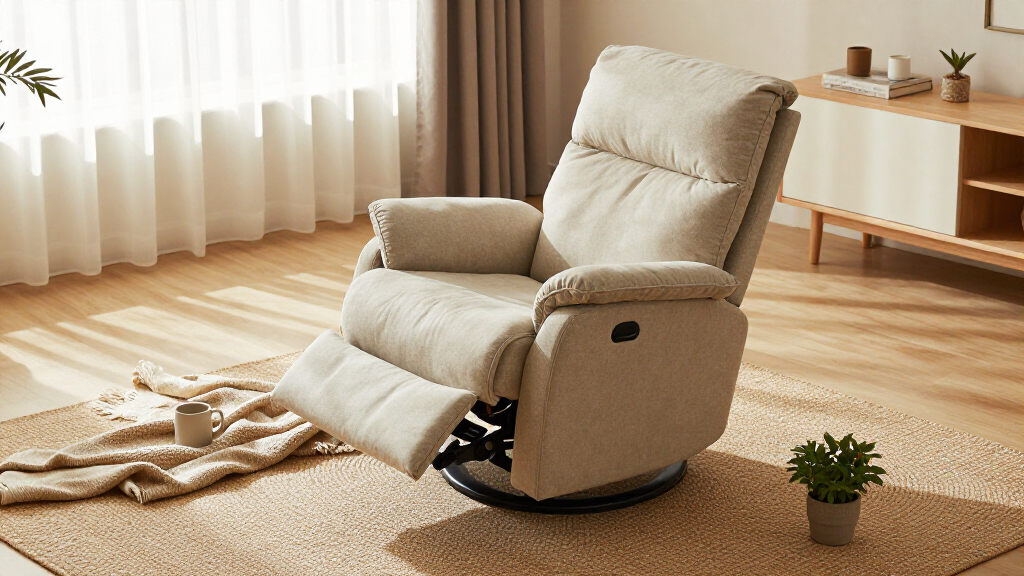
ergonomic recliner chair for seniors
As an affiliate, we earn on qualifying purchases.
As an affiliate, we earn on qualifying purchases.
Why Lift Chairs Can Boost Independence — But Not Always Perfect
Power lift recliners are invaluable for many seniors because they reduce the physical effort needed to stand, which can be a game-changer for those with joint pain, weak muscles, or balance issues. By tilting forward gently, they help transition from sitting to standing with minimal strain, maintaining dignity and reducing fatigue. However, while lift chairs offer significant benefits, they’re not a universal solution. The effectiveness depends heavily on the user’s ability to control the transfer safely. If a senior has severe mobility limitations or unsteady balance, relying solely on the lift feature can pose fall risks if they attempt to stand without additional support. The different types—two-position, three-position, and infinite-position—offer varying levels of customization, but more complex models often require better coordination or strength to operate properly. Features like heat, massage, and USB ports enhance comfort but shouldn’t replace proper assessment of a person’s physical capabilities. The tradeoff is that while these chairs can promote independence, improper use or a poor fit can lead to instability or discomfort. For optimal safety, a professional assessment can determine whether a lift chair is appropriate and how to use it effectively, ensuring it complements the individual’s unique mobility level.
Must-Have Features That Make a Recliner Senior-Safe and Comfortable
When shopping for a senior-friendly recliner, you need to look beyond aesthetics and focus on features that directly impact safety, ease of use, and long-term comfort. These features are designed to mitigate common risks such as falls, pressure injuries, and difficulty with controls. Large, clearly labeled controls are essential because arthritis or weak grip strength can make small buttons frustrating or impossible to operate. Easy-to-press, textured buttons reduce the effort needed and improve safety by preventing accidental presses. Breathable upholstery is not just about comfort; it also ensures proper airflow, reducing overheating during prolonged sitting, which can be especially dangerous for seniors with circulation issues. A sturdy base and non-slip feet are critical for stability—any wobbling or sliding increases fall risk. Wall-hugging designs minimize space requirements, making the chair suitable for smaller rooms without sacrificing functionality. Adjustable lumbar and head support allow customization to individual needs, reducing pain and stiffness that might exacerbate existing conditions. Battery backup systems are vital in case of power outages, preventing sudden drops or reclines that could cause falls. Easy-to-reach armrests support safe transfers and standing, especially important for those with limited strength or balance. Small details like textured remote controls, stain-resistant upholstery, and contrasting colors for controls are subtle but impactful, making everyday use safer and more manageable.
Simple Steps to Test a Recliner Before Buying
Testing a recliner thoroughly is essential because a chair that looks good in the store might not meet your needs at home. Proper testing reveals how well the chair supports your body, facilitates safe movement, and fits your space. Begin by sitting with your back fully supported against the backrest, ensuring your feet are flat on the floor and your knees are at a comfortable, natural angle. This position helps assess whether the seat height and depth align with your body’s proportions. Next, reach for the controls—are they within easy reach without stretching or straining? Do the buttons or levers require minimal effort, especially if you have arthritis? Recline the chair slowly to see if the movement is smooth and controlled, which indicates quality construction and proper mechanism functioning. Return to an upright position and stand up repeatedly to test stability and ease of transfer. Observe whether the armrests support your weight comfortably and whether they assist in pushing yourself up safely. Remain seated for at least 15 minutes to evaluate comfort and check for pressure points, numbness, or discomfort that might develop over time. If you use mobility aids like a walker, practice transferring to and from the chair to ensure safety and ease. Always measure your available space, considering clearance for full recline, to avoid surprises at home. This thorough approach ensures you select a chair that truly fits your needs and minimizes the risk of falls or discomfort.
What to Know About Buying, Maintaining, and Lasting Power
Investing in a quality recliner is just the beginning; proper maintenance ensures it continues to serve safely and comfortably for years. Regular cleaning, according to manufacturer instructions, prevents dust and dirt buildup that can impair mechanisms or cause deterioration. Inspect cables, seams, and controls periodically for signs of wear or damage—early detection of issues can prevent costly repairs or safety hazards. Replacing batteries in backup functions as needed guarantees continued operation during power outages, which is crucial for safety. Keep the power cord routed away from pets and children to prevent accidental damage or tripping hazards. A well-maintained recliner can last 8 to 15 years, depending on use and build quality, making it a worthwhile investment. Scheduling periodic professional check-ups can catch mechanical issues early and ensure all components function properly. In addition, understanding the warranty coverage and manufacturer’s maintenance recommendations helps extend the lifespan and maintain safety standards, ultimately protecting your investment and your loved one’s well-being.
Common Mistakes That Can Turn a Good Chair Into a Problem
Choosing a chair based solely on appearance or price can lead to significant problems. A visually appealing chair that doesn’t fit the user’s body can cause discomfort, pressure sores, or difficulty in performing safe transfers, increasing fall risk. For example, a seat that’s too deep might make it hard to sit upright without slouching, leading to back pain and poor posture over time. Conversely, a seat that’s too shallow can cause the user to slide forward, straining the lower back and reducing stability. Assuming that a high lift angle automatically provides better support can be misleading; if the chair is unstable or not properly fitted, it may do more harm than good. Control complexity is another common mistake—small or numerous buttons can be overwhelming for seniors with arthritis or cognitive impairments, resulting in frustration or misuse. Overlooking the overall size of the reclined chair is critical, especially in small living spaces where bulky models may block pathways or be difficult to maneuver. Lastly, relying on features like heat or massage as substitutes for proper medical evaluation can delay necessary treatment. Testing transfers in person and prioritizing fit, safety, and ease of use will prevent these pitfalls and ensure the chair enhances, rather than compromises, independence.
Your Top Questions About Senior Recliners Answered
What is the best recliner for an older adult? The best fits the person’s size, mobility, and health needs. Personal comfort and safety come first, but understanding individual limitations ensures the chair supports independence without risking safety.
Are lift chairs good for seniors? Yes, especially for those who find standing difficult. They assist with transitions, reducing strain and fatigue. However, proper use and fit are essential to prevent falls, and some individuals may need additional assistance or supervision during transfers.
How high should the seat be? The ideal height allows feet to rest flat on the floor with knees at hip level. This position promotes proper circulation, reduces joint strain, and facilitates safe standing. Variations depend on individual leg length, so measuring accurately is key.
Is a firm or soft recliner better? A moderately firm support helps maintain proper posture and makes standing easier. Excessively soft chairs may cause slouching and instability, increasing fall risk. Conversely, too firm can cause discomfort and pressure points. The goal is balanced support tailored to individual needs.
What does “zero gravity” mean? It’s a recline position that distributes body weight evenly and elevates the legs, reducing pressure on the spine and joints. While it provides comfort and can alleviate pain temporarily, it doesn’t make you weightless or eliminate all health considerations. It’s a positioning aid, not a medical cure.
Can seniors sleep in recliners? Some seniors find recliners more comfortable for short naps or sleeping positions, but prolonged sitting may impair circulation or cause stiffness. It’s important to consult healthcare providers for persistent sleep issues or circulatory concerns. A recliner should complement, not replace, proper sleep surfaces and routines.
Do recliners help back pain? When properly fitted, recliners can temporarily relieve back discomfort by supporting spinal alignment. However, ongoing pain may stem from underlying conditions requiring professional diagnosis and treatment. Using the right support and avoiding prolonged poor posture are key.
Are recliners helpful for swollen legs? Elevating legs can reduce swelling temporarily, but persistent or painful swelling should be evaluated by a healthcare professional. A recliner with adjustable leg support can aid in comfort, but it’s not a cure for underlying medical issues.
Is heat or massage safe? For most seniors, these features are safe when used appropriately. However, those with sensation issues, circulation problems, or skin conditions should seek medical advice before use, as improper application can cause burns or exacerbate health issues.
How many motors are needed? One motor simplifies operation and maintenance, making it easier for seniors to control. Multiple motors allow precise positioning of the back, legs, and head, enhancing comfort and customization but at a higher cost. The choice depends on individual needs and budget.
What happens during a power outage? Battery backups can return the chair to a safe, upright position, preventing entrapment or falls. It’s important to verify whether your model includes this feature and understand how to operate it in emergencies.
Will insurance pay for a lift recliner? Sometimes, yes—if a doctor prescribes it for medical reasons and you have proper documentation. Coverage varies by insurer, so consulting your provider beforehand can clarify options and potential reimbursement.
How much space does a recliner need? Measure both the fully reclined length and the clearance needed behind the chair. Adequate space ensures safe transfers and prevents obstacles, especially in small rooms. Wall-hugging models help conserve space but still require careful planning.
How long should a recliner last? With proper care, many recliners last between 8 and 15 years. Durability depends on quality, usage, and maintenance. Regular inspections and timely repairs prolong lifespan and safety.
How should a recliner be cleaned? Follow manufacturer instructions, typically involving vacuuming, spot cleaning, and avoiding excess moisture near electrical components. Gentle cleaning preserves upholstery and prevents damage, maintaining safety and appearance over time.
When should a therapist help select the chair? For complex needs—such as frequent falls, neurological conditions, or recent surgeries—professional guidance ensures the chair supports safety and proper posture, reducing risks and enhancing independence.
Conclusion
Choosing a recliner isn’t just about style — it’s about safety, comfort, and independence. Visualize a chair that adapts to your needs, helping you stand, sit, and relax with confidence.
Take your time, test thoroughly, and remember: a well-fitted recliner is a small investment in everyday comfort and peace of mind.
Halloween Picks
halloween
As an affiliate, we earn on qualifying purchases.