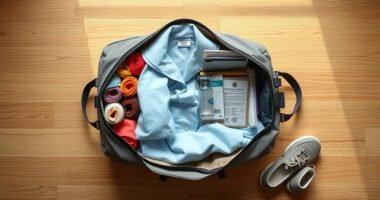

During extreme weather, you should stay cool and hydrated during heat waves by planning outdoor activities carefully, wearing light clothing, and monitoring local alerts. In cold snaps, layer your clothing, seal drafts, and keep warm with backup heat sources. Recognize signs of heat exhaustion or hypothermia and respond promptly by moving to safer environments and seeking medical help if needed. To learn more about staying safe through these events, consider exploring additional tips and preparedness strategies.
Key Takeaways
- Stay hydrated, wear lightweight clothing, and avoid outdoor activities during peak heat times.
- Recognize signs of heat exhaustion or stroke and seek immediate medical help.
- Layer clothing, seal drafts, and ensure heating systems work efficiently during cold snaps.
- Identify symptoms of hypothermia or frostbite and act quickly to warm affected areas.
- Maintain emergency supplies, develop response plans, and stay informed about weather alerts.

Have you ever wondered how sudden heat waves or cold snaps impact daily life and the environment? These extreme weather events can disrupt routines, strain resources, and pose serious health risks. That’s why understanding how to stay safe during such events is essential. A key part of this is climate adaptation—making adjustments to better cope with changing weather patterns—and emergency preparedness, which guarantees you’re ready to respond effectively when these conditions strike. Preparing in advance can make all the difference for your safety and well-being.
When a heat wave hits, it’s important to stay cool and hydrated. Make sure your home is equipped with fans or air conditioning, and consider planning your outdoor activities during the cooler parts of the day, like early mornings or evenings. Keep a supply of water on hand—at least one gallon per person per day—and avoid alcohol or caffeine, which can dehydrate you further. Wearing lightweight, light-colored clothing and applying sunscreen helps prevent heat-related illnesses. If someone shows signs of heat exhaustion or heat stroke—such as heavy sweating, weakness, dizziness, or confusion—seek medical help immediately and move them to a cooler place. Staying informed about weather alerts is critical; sign up for local notifications so you can respond quickly to heat advisories.
In cold snaps, your focus shifts to safeguarding against hypothermia and frostbite. Proper clothing is essential—layer up with insulated, moisture-wicking fabrics, and don hats, gloves, and scarves to retain body heat. Keep your home warm by sealing drafts and ensuring your heating system works efficiently. If power outages occur, have a backup heat source, like a fireplace or space heater, but use it safely to prevent fires or carbon monoxide poisoning. Stockpile essentials such as blankets, warm clothing, and non-perishable food. Check on vulnerable neighbors or family members who might need assistance during extreme cold. Knowing how to respond to power failures or heating system breakdowns is part of emergency preparedness—having a plan guarantees you’re not caught unprepared.
Both heat waves and cold snaps can have serious health and safety implications, making it critical to incorporate climate adaptation strategies into your routines. Staying informed, prepared, and responsive helps you minimize risks and protect yourself and your loved ones. Whether it’s adjusting your environment or having emergency supplies ready, taking proactive steps ensures you’re resilient against the unpredictable nature of extreme weather. Remember, being prepared isn’t just about reacting—it’s about adapting your habits and environment to better face these sudden, intense weather changes.
![Diveblues Handheld Fan, 30ft/s Mini Portable Turbo Fan [12H Max Cooling], 4000mAh Personal Fan with LED Display, 3-in-1 Hand Held/Neck/Desk Fan for Travel, Cruise, Disney Essentials](https://m.media-amazon.com/images/I/31M1BPboOHL._SL500_.jpg)
Diveblues Handheld Fan, 30ft/s Mini Portable Turbo Fan [12H Max Cooling], 4000mAh Personal Fan with LED Display, 3-in-1 Hand Held/Neck/Desk Fan for Travel, Cruise, Disney Essentials
[iTurbo Tech: 30ft/s Powerful Jet-Stream] Stop moving hot air! Our proprietary iTurbo engine compresses airflow into a focused…
As an affiliate, we earn on qualifying purchases.
As an affiliate, we earn on qualifying purchases.
Frequently Asked Questions
How Can I Tell if My Home Is Properly Insulated for Extreme Weather?
To tell if your home is properly insulated for extreme weather, start with an insulation inspection. Look for areas where heat escapes, especially around windows, doors, and attic hatches. Perform draft detection by feeling for cold air leaks or using a candle or incense stick near suspect spots. If you notice drafts or uneven temperatures, it’s time to add or upgrade insulation to improve energy efficiency and comfort during extreme conditions.
What Are the Signs of Heat Exhaustion and Heatstroke?
Oh, you’re not feeling dizzy, right? That’s a classic sign of heat exhaustion, along with heavy sweating and nausea. If your skin feels hot and dry, and you’re recognizing dehydration symptoms like dry mouth, it’s time to act fast. Heatstroke kicks in when confusion, rapid heartbeat, and a high body temperature appear. Don’t ignore these signs—they’re your body’s way of saying, “Help me before I turn into a melting ice cream cone!”
How Can I Prepare My Pets for Heat Waves and Cold Snaps?
You can prepare your pets for extreme weather by guaranteeing pet hydration and providing proper shelter considerations. During heat waves, offer plenty of fresh water and keep your pet in shaded, cool areas. For cold snaps, ensure your pet has a warm, insulated shelter protected from wind and moisture. Regularly check on your pet’s comfort and health, and adapt their environment to prevent overheating or chilling.
Are There Specific Medications to Consider During Temperature Extremes?
During extreme temperatures, consider medications like anti-inflammatory drugs that may influence your pet’s thermoregulation. For example, a dog on medication with potential side effects like increased thirst or lethargy needs close monitoring. Always keep prescriptions stored safely and consult your vet about any specific medications your pet takes. Your vet can advise on necessary adjustments and ensure proper management during temperature extremes to keep your pet safe.
What Emergency Supplies Should I Keep on Hand for Weather Emergencies?
You should keep emergency kits with essentials like bottled water, non-perishable food, flashlights, batteries, and a first aid kit. Safety gear such as blankets, warm clothing for cold snaps, or fans and cooling towels for heat waves is crucial. Make sure you have a battery-powered radio and any necessary medications. Regularly check and update your supplies so you’re prepared for weather emergencies, keeping safety top priority.

DREO Space Heater, Portable Electric Heaters for Indoor Use with Thermostat and Remote, 2024 Upgraded, Digital Display, 12H Timer, 5 Mode, 1500W PTC Ceramic Fast Safety Heat for Office Bedroom Home
Powerful heat that fits everywhere: DREO space heaters for indoor combines Hyperamics 1500W advanced PTC system with a…
As an affiliate, we earn on qualifying purchases.
As an affiliate, we earn on qualifying purchases.
Conclusion
Remember, whether it’s a scorching heat wave or a freezing cold snap, staying prepared can save your life. Imagine a family trapped in a severe winter storm, struggling without proper heat or supplies. By following safety tips, you can avoid such dangers. Always stay informed, keep emergency kits ready, and check on loved ones. Your quick actions and preparation make all the difference in weather emergencies—protect yourself and those you care about.
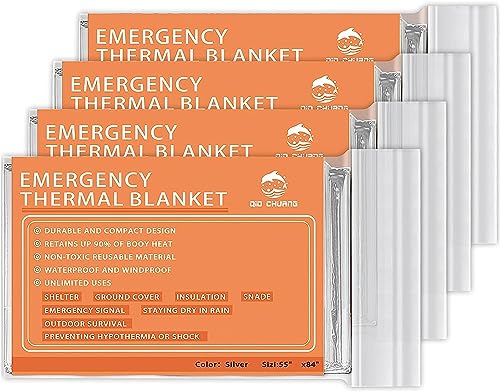
QIO CHUANG Emergency Mylar Thermal Blankets -Space Blanket Survival kit Camping Blanket (4-Pack). Perfect for Outdoors, Hiking, Survival, Bug Out Bag ,Marathons or First Aid 1
Emergency Mylar Thermal Blankets – Emergency Blanket,Space Blanket,Thermal Blanket,Mylar Blanket,Survival Blanket.Our durable advanced aluminized Mylar blankets are perfect…
As an affiliate, we earn on qualifying purchases.
As an affiliate, we earn on qualifying purchases.

Dyson Purifier Hot+Cool HP07 Air Purifier, Heater, and Fan – White/Silver, Large
Automatically senses, captures, and traps pollutants for cleaner air.
As an affiliate, we earn on qualifying purchases.
As an affiliate, we earn on qualifying purchases.