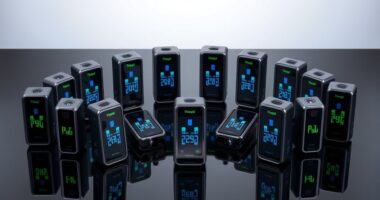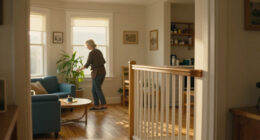

Choosing the right fall prevention device for an aging parent or loved one comes down to one question: when and where do you need to know they’re at risk? If the danger zone is the bedroom — the spot where most nighttime falls happen — a bed alarm that warns you before someone stands up is the most effective tool. If wandering out of the room is the concern, a motion sensor at the door adds a second line of defense. And if your parent lives alone or spends time outside the house, a wearable pendant with automatic fall detection and GPS tracking is the only option that can summon help when no one else is around.

Turn quiet afternoons into listening time
- Thousands of audiobooks, podcasts and originals
- Listen on your phone, tablet or Echo — also offline
- Cancel anytime
In this comparison, three devices cover those three scenarios. My top pick overall is the Lunderg Wireless Early Alert Bed Alarm System, because its pre-rise alert genuinely prevents falls rather than just reacting to them. The upgraded wireless motion sensor system is the best value pick for covering bed exits and room exits on a budget. The SecuLife Medical Alert Pendant is the best choice for active seniors who live independently, though its monthly subscription and mixed customer reviews are tradeoffs worth weighing carefully. The main tension across all three: passive sensors protect people someone is watching, while wearables protect people nobody is watching. Read on to figure out which situation matches yours.
Complete the kit


Key Takeaways
- The Lunderg bed alarm wins overall because its pre-rise pressure pad alerts caregivers before the senior stands up, preventing falls rather than just detecting them.
- The motion sensor system is the best value: it covers both bed exits and doorway exits for less money, but it can’t tell you someone is about to get up — only that they already have.
- The SecuLife pendant is the only option that works outside the home and when no caregiver is present, thanks to GPS, two-way calling, and automatic fall detection.
- None of these devices integrate with smart home systems; if Wi-Fi connectivity matters, you’ll need to look at different product categories.
- The pendant requires a monthly subscription for full functionality, while both sensor-based alarms are one-time battery-powered purchases with no recurring fees.
| Lunderg Wireless Early Alert Bed Alarm System for Elderly & Fall Prevention |  | Best Overall — Prevents Falls Before They Happen | Power Source: 2 AA batteries (included) | Maximum Range: 400 feet | Sensor Technology: Pre-Alert Smart pressure sensor pad | VIEW LATEST PRICE | See Our Full Breakdown |
| Upgraded Bed Sensor Alarm and Fall Prevention System with Wireless Motion Sensor and Caregiver Pager |  | Best Value — Flexible Coverage for Bed and Door | Power Source: 3 AAA batteries (included) | Maximum Range: 182 meters (open area) | Sensor Technology: Wireless contact/motion sensor | VIEW LATEST PRICE | See Our Full Breakdown |
| SecuLife Medical Alert Pendant for Seniors with Fall Detection and GPS Tracking |  | Best for Independent Seniors — Protection Anywhere | Brand: SecuLife | Key Features: Fall detection, GPS tracking, 2-way calling, waterproof | Water Resistance: IP67 | VIEW LATEST PRICE | See Our Full Breakdown |
| elderly fall prevention device | Power Source | Maximum Range | Sensor Technology | Control Method |
|---|---|---|---|---|
| Lunderg Wireless Early Alert B | 2 AA batteries (included) | 400 feet | Pre-Alert Smart pressure sensor pad | Touch |
| Upgraded Bed Sensor Alarm and | 3 AAA batteries (included) | 182 meters (open area) | Wireless contact/motion sensor | App, touch |
| SecuLife Medical Alert Pendant | — | — | — | — |
More Details on Our Top Picks
Lunderg Wireless Early Alert Bed Alarm System for Elderly & Fall Prevention
This is the only device in the lineup built around a genuinely preventive idea: instead of sounding an alarm when a senior has already gotten up, the pressure-sensitive pad detects the weight shift that happens before they rise. That difference of a few seconds is exactly what a caregiver needs to reach the bedroom and offer a steady arm — which is why this pick sits at the top of my ranking despite costing more than the motion sensor alternative.
The design also handles the dignity problem better than anything else here. The pager is wireless with a 400-foot range, so the alarm chimes in the caregiver’s pocket rather than blaring next to a confused, half-asleep parent. Volume and vibration are both adjustable, a small detail that matters enormously for night shifts. Compare that to the motion sensor system, which alerts only after someone is already on their feet and moving — by then, the fall risk window has opened.
Where it falls short of the SecuLife pendant is coverage outside the bedroom. If your loved one lives alone or falls in the bathroom, the yard, or the grocery store, this system can do nothing. It’s also entirely battery-dependent, and the 400-foot range can strain in very large homes or ones with dense walls. There’s no app, no Wi-Fi, no smart home integration — which I actually count as a plus for technophobic caregivers, but a minus for anyone who wants remote monitoring of an empty house.
Compared with the budget motion sensor pick, the Lunderg offers a more durable, wipe-clean pad and the pre-alert feature, but at a higher price and with fewer placement options. If your only concern is nighttime bed exits in a home where a caregiver sleeps within range, this is the strongest tool money can buy.
Pros:- Pre-rise weight-shift detection alerts caregivers before the senior stands up
- Wireless pager preserves dignity — no loud alarm in the room itself
- Adjustable volume and vibration modes suit different caregivers and sleeping arrangements
- Durable, easy-to-clean sensor pad with no app or Wi-Fi setup required
Cons:- Battery-powered with no rechargeable option, so replacements are ongoing
- 400-foot range may not reach caregivers in very large homes or basements
- No Wi-Fi or smart home integration for remote monitoring
Best for: Caregivers sharing a home with a senior or dementia patient whose main fall risk happens during bed exits, especially at night
Not ideal for: Seniors who live alone, or families who need coverage outside the bedroom and beyond a 400-foot range
- Power Source:2 AA batteries (included)
- Maximum Range:400 feet
- Sensor Technology:Pre-Alert Smart pressure sensor pad
- Audible Noise:120 dB max
- Control Method:Touch
- Compatible Devices:Lunderg bed alarm, chair alarm, and call button
- Mounting Type:Wall mount
- Monthly Fees:None
Our verdict“The strongest choice for preventing falls at their most common source — nighttime bed exits — as long as a caregiver is within pager range.”
Upgraded Bed Sensor Alarm and Fall Prevention System with Wireless Motion Sensor and Caregiver Pager
Where the Lunderg is a specialist, this system is a generalist — and a cheap one. It pairs wireless motion sensors with a caregiver pager that can be positioned under a bed frame or at a doorway, so a single purchase covers two risk points: getting out of bed and leaving the room entirely. For dementia care where nighttime wandering is the fear, that second layer is something the Lunderg pad simply can’t do on its own.
The range is the headline spec: up to 182 meters in open air, comfortably beyond the Lunderg’s 400 feet, though walls and appliances will cut into that figure in practice. The pager offers multiple volume levels, and a self-test feature helps confirm the system is actually working before you rely on it — a thoughtful touch at this price, though a few buyers find the testing and setup sequence less intuitive than Lunderg’s pad-and-pager simplicity.
The honest tradeoff is timing. A motion sensor detects movement, not weight shift, which means the alert fires after your loved one is already up and moving. For a senior who stands and immediately loses balance, that’s a late warning. The Lunderg’s pre-rise alert buys those extra seconds; this system trades them for flexibility and a lower price.
Like the Lunderg, it’s battery-only (3 AAA cells, included) and has zero smart-home connectivity. And like both sensor picks, it does nothing for a senior who lives alone — there’s no pager answer if nobody is holding the pager. But for a family that wants basic, expandable coverage without spending much, this is the value play of the three.
Pros:- Motion sensors can be placed at beds or doorways for two-layer coverage
- Long open-air range up to 182 meters beats the Lunderg’s 400 feet
- Adjustable pager volume plus a self-test feature at a budget price
- Simple wireless installation with no monthly fees
Cons:- Alerts fire only after movement begins — no pre-rise warning
- Sensor range drops with walls and obstacles between sensor and pager
- Setup and testing process is slightly more involved than pad-based systems
Best for: Budget-conscious families monitoring both bed exits and room exits, particularly for dementia patients who wander at night
Not ideal for: Seniors with balance problems who fall immediately upon standing, or anyone needing protection when no caregiver is present
- Power Source:3 AAA batteries (included)
- Maximum Range:182 meters (open area)
- Sensor Technology:Wireless contact/motion sensor
- Control Method:App, touch
- Mounting Type:Door mount / under-bed placement
- Pager:Caregiver pager with adjustable volume
- Monthly Fees:None
Our verdict“The most coverage per dollar in this lineup, best for wandering risks rather than immediate stand-and-fall risks.”
SecuLife Medical Alert Pendant for Seniors with Fall Detection and GPS Tracking
The first two devices on this list assume a caregiver is within pager range. This one doesn’t — and that’s the whole point. The SecuLife pendant is a wearable with automatic fall detection, GPS tracking, and two-way calling that alerts family members directly, with no call center in the middle. For a senior who still lives alone, drives, walks the neighborhood, or travels, it’s the only option in this comparison that provides any protection at all.
The feature set is well matched to real senior life. The IP67 water resistance means it survives the shower — where falls are notoriously common — and the up-to-6-day battery life means charging is a weekly habit rather than a nightly one. GPS with geo-fence zones lets adult children get notified if a parent with early dementia drifts beyond a familiar area, something neither sensor system can address.
Now the tradeoffs, and they’re real. Full functionality sits behind a monthly subscription, so the true cost over a year dwarfs the one-time price of both alarm systems combined. Automatic fall detection is also inherently imperfect technology across the entire industry; it can miss slow slides to the floor or false-trigger on a dropped device, so a senior must still be able to press the button for a manual alert.
My verdict on placement: don’t buy this instead of a bed alarm if a caregiver is home at night — buy it for the hours and locations the alarms can’t cover. It’s a complement to the sensor systems, and the right primary choice only when independence, not supervision, is the goal.
Pros:- Automatic fall detection summons help even if the senior is unconscious or disoriented
- Real-time GPS tracking and geo-fence zones provide location awareness for wandering risks
- IP67 waterproof design is safe in the shower and rain
- Up to 6 days of battery life keeps charging demands reasonable
Cons:- Monthly subscription required for full features, adding significant long-term cost
- Automatic fall detection can miss slow-motion falls, so the button remains a fallback
Best for: Active, independent seniors living alone who need fall protection at home and away, plus location awareness for family members
Not ideal for: Budget-sensitive buyers unwilling to pay a monthly subscription, or households where a full-time caregiver could use a cheaper sensor system
- Brand:SecuLife
- Key Features:Fall detection, GPS tracking, 2-way calling, waterproof
- Water Resistance:IP67
- Battery Life:Up to 6 days per charge
- Connectivity:Cellular (SIM card included)
- Alert Recipients:Family members directly — no call center
- Warranty:Manufacturer warranty
- Ongoing Cost:Monthly subscription for full features
Our verdict“The only pick that protects a senior nobody is watching, provided you accept the subscription cost and verify the service works in your area.”

How We Picked
When I evaluate fall prevention devices, I start with the same framework a caregiver or adult child would: does this device stop a fall before it happens, summon help after it happens, or both? Bed and chair alarms sit in the first category, and I judge them on how early they trigger, how reliably the pager reaches the caregiver, and how well the hardware survives daily use — pads get sat on, sensors get knocked, and batteries drain at the worst moment.
For wearable devices, my criteria shift toward response capability: fall detection accuracy, whether it works away from home, water resistance for bathroom use, and what happens after an alert fires. I also weigh the true cost of ownership, since a subscription-based pendant can cost hundreds of dollars per year while a battery-powered sensor costs almost nothing after purchase.
Finally, I factored in the realities of caregiving. Dignity matters — a loud alarm blaring in the room is far worse for a confused senior than a silent pager in a caregiver’s pocket. Ease of setup matters too, because the person installing a 2 AM alarm system is often exhausted already. Devices that demand app pairing, Wi-Fi configuration, or complicated testing got marked down for that audience. I compared each product against the others in this lineup rather than in isolation, so the rankings below reflect which device wins for which caregiving situation — not which one has the longest spec sheet.
| elderly fall prevention device | Sensor Technology | Control Method | Mounting Type |
|---|---|---|---|
| Lunderg Wireless Early Alert B | Pre-Alert Smart pressure sensor pad | Touch | Wall mount |
| Upgraded Bed Sensor Alarm and | Wireless contact/motion sensor | App, touch | Door mount / under-bed placement |
| SecuLife Medical Alert Pendant | — | — | — |
Factors to Consider When Choosing Elderly Fall Prevention Devices
Before choosing among these devices, it helps to understand what each category can and cannot do. Fall prevention technology falls into two broad camps — passive monitoring sensors and wearable emergency devices — and picking the wrong camp is the most common mistake families make.Prevention Versus Response
A bed alarm or motion sensor is a prevention tool: it exists to put a caregiver in the room before a fall occurs. A pendant with fall detection is a response tool: it summons help after a fall has already happened. If a caregiver is present at night, prevention is almost always the better investment. If nobody is present, response is the only thing that can help. Some families need both, and the devices in this roundup are designed to complement each other rather than compete.
Range and Home Layout
Wireless range claims like 400 feet or 182 meters are measured in open air. Inside a real house, walls, floors, appliances, and plumbing cut the effective distance — sometimes dramatically. If a caregiver sleeps in a basement suite or a detached accessory dwelling, verify the signal path before relying on any pager-based system. The SecuLife pendant avoids this problem entirely by using cellular connectivity instead of a local radio link.
Dignity and Cognitive State
Loud alarms in the room can frighten or agitate seniors with dementia, sometimes worsening the very behavior you’re trying to manage. Systems that route alerts to a silent caregiver pager — as both sensor picks here do — preserve dignity and reduce sundowning-style distress. For seniors who might remove or forget a wearable, a passive sensor is also more reliable than a pendant that spends the night on a nightstand.
Total Cost of Ownership
The sensor systems carry a one-time cost plus occasional batteries. The SecuLife pendant carries a recurring monthly subscription that can exceed the full purchase price of a bed alarm within a year or two. Neither answer is wrong — but know which model you’re signing up for, and factor multi-year costs into the comparison rather than just the sticker price.
Batteries and Reliability
Every device in this roundup depends on batteries, and a dead battery is a silent failure — the system looks fine while providing zero protection. Choose devices with low-battery indicators where possible, set calendar reminders for replacements, and use the self-test feature on systems that offer one. For the pendant, build charging into a fixed weekly routine, much like a medication schedule.
Frequently Asked Questions
Do bed alarms actually prevent falls, or do they just notify someone after the fact?
It depends on the sensor type. Conventional motion-sensor alarms notify a caregiver after movement has already begun, which limits their preventive value — by the time the alert fires, the senior is standing. Pressure-pad systems like the Lunderg Pre-Alert are different: they detect the weight shift that occurs while the person is still shifting toward the edge of the bed, buying the caregiver several seconds to arrive before the feet hit the floor. That’s why I ranked the Lunderg above the motion sensor system despite the price difference; those seconds are the entire value proposition of a bed alarm. Neither system physically stops a fall, though — they work only when a responsive caregiver is within range.
Can a fall detection pendant replace a bed alarm for nighttime safety?
Generally not, if a caregiver is home at night. A pendant with automatic fall detection reacts to a fall that has already occurred, meaning your loved one may be on the floor, injured, and waiting during the response time. A bed alarm aims to prevent that floor contact in the first place. There’s also a practical problem: many seniors remove pendants at night for comfort or forget to put them back on after charging. If a caregiver sleeps in the same home, the bed alarm is the stronger overnight tool. The pendant becomes the better choice overnight only when the senior is alone, since a pager nobody holds is useless.
How accurate is automatic fall detection on devices like the SecuLife pendant?
Automatic fall detection across the whole industry is good but not perfect. It typically recognizes sudden, sharp impacts — a collapse or trip — very reliably, but it can miss slow slides to the floor, which are common among seniors with muscle weakness or fainting episodes. False triggers also occur when a device is dropped or bumped hard. Because of this, any pendant with fall detection should still have a manual SOS button the senior can press when conscious, and family should be configured as backup contacts.
Are these devices difficult to set up for someone who isn’t tech-savvy?
The two sensor systems are genuinely simple: no Wi-Fi, no accounts, no apps required. The Lunderg is essentially plug-and-play — position the pad, sync the pager, and it works. The motion sensor system adds a self-test routine and slightly more configuration for door placement, which some buyers find fiddly, but it stays well within non-technical territory. The SecuLife pendant is the most involved of the three, requiring SIM activation, subscription setup, and contact configuration, though the day-to-day use afterward is just wearing it and charging weekly. If setup simplicity is your top priority, the Lunderg is the easiest path.
What happens if the power goes out or the internet fails?
All three devices here are battery-powered, so a household power outage doesn’t disable them — a genuine advantage over plug-in monitors. Internet outages are also irrelevant to the two sensor systems, since they use direct radio links between sensor and pager with no Wi-Fi involved. The SecuLife pendant depends on cellular coverage rather than home internet, so it keeps working during a broadband outage but will struggle in areas with weak mobile signal. The main maintenance concern with battery-powered devices is silent battery death, so I recommend monthly checks or calendar reminders even though battery life is rated for months on the sensors and up to six days on the pendant.
Conclusion
After comparing all three, my recommendations break down cleanly by caregiving situation. If a caregiver shares the home and nighttime bed exits are the risk, buy the Lunderg Wireless Early Alert Bed Alarm — its pre-rise detection is the only technology in this lineup that acts before the fall, and its silent pager approach protects both safety and dignity.
If you’re on a tighter budget or need to monitor wandering beyond the bedroom, the upgraded motion sensor system delivers two-point coverage — bed and doorway — at the lowest cost, with the honest limitation that it alerts only after movement begins. It’s also a sensible companion purchase to the Lunderg for dementia households.
If your parent lives alone or spends time away from home, the SecuLife Medical Alert Pendant is the only device here that does anything at all in that scenario, thanks to GPS, fall detection, and direct family alerts — just budget for the subscription and read recent reviews before committing. For many families, the real answer isn’t either/or: a bed alarm for supervised hours plus a pendant for independent hours gives the fullest protection a few hundred dollars can buy.
Cold & flu season Picks
humidifiers
As an affiliate, we earn on qualifying purchases.