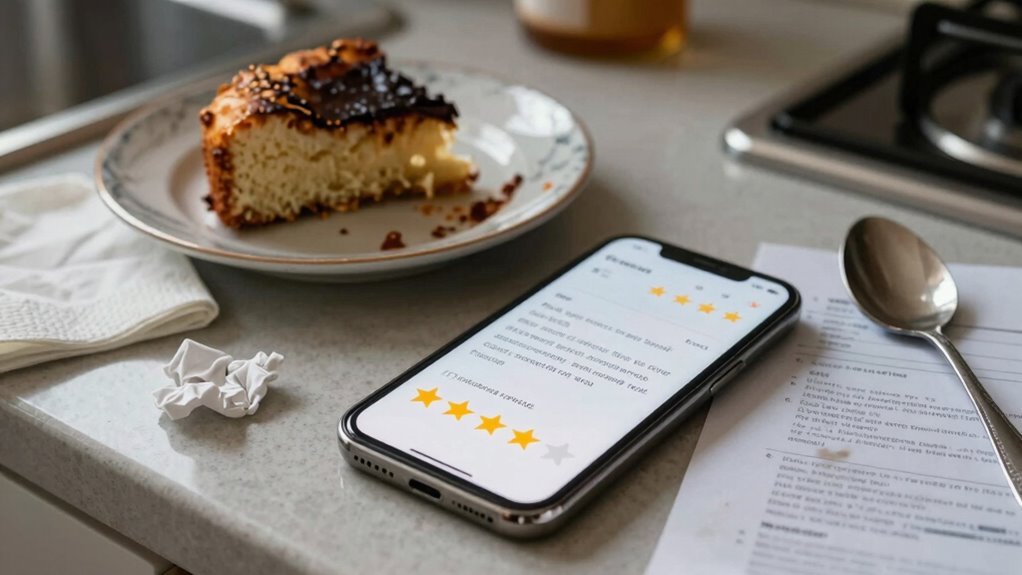

Customer reviews can be misleading because they’re often manipulated or fake, designed to skew your perception of a product or service. You might come across overly positive or generic comments that lack real detail. Sometimes, reviews are flood-smashed or incentivized to boost ratings artificially. Recognizing patterns and paying attention to genuine feedback helps you see through these tactics. If you want to learn how to spot these tricks, keep exploring these strategies.

Turn quiet afternoons into listening time
- Thousands of audiobooks, podcasts and originals
- Listen on your phone, tablet or Echo — also offline
- Cancel anytime
Key Takeaways
- Fake reviews can artificially boost product ratings, misleading consumers about quality.
- Manipulation tactics like review flooding and deletion distort genuine customer feedback.
- Overly positive or generic reviews often mask real experiences, creating false impressions.
- Coordinated review bombing can unfairly damage competitors’ reputations.
- Relying solely on star ratings without detailed feedback may hide underlying issues.
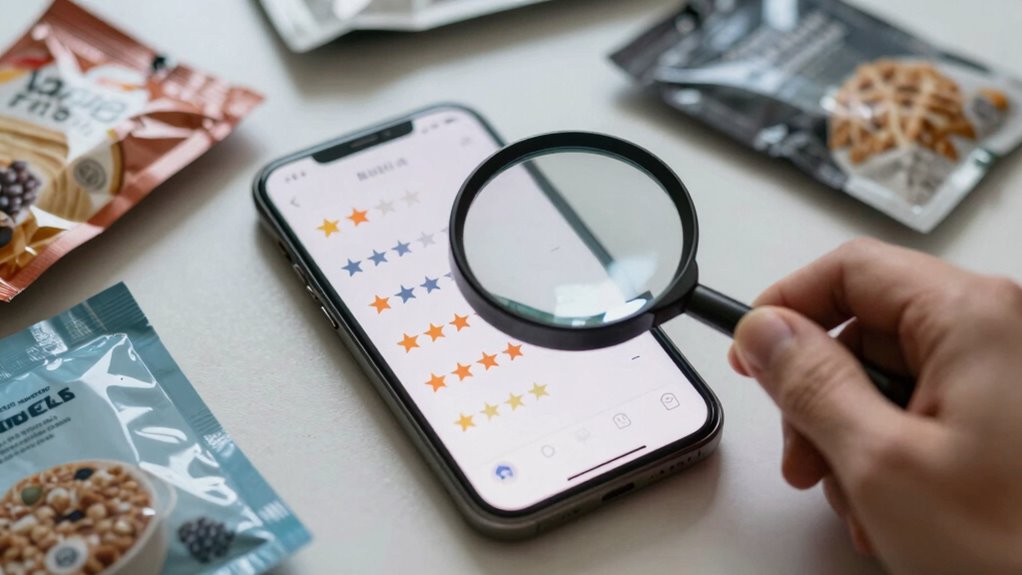
Have you ever trusted a five-star review only to be disappointed? It’s a frustrating experience, and it points to a common problem in today’s digital marketplace: the reliability of customer reviews. Many companies and sellers know that positive reviews influence purchasing decisions, so they sometimes resort to fake reviews or review manipulation to boost their ratings. These fake reviews are crafted to seem authentic, often mimicking genuine feedback but lacking real substance or experience. They can be written by hired individuals or even automated bots, all designed to skew perception and attract more customers. When you rely on these reviews, you’re essentially making decisions based on false information, which can lead to dissatisfaction and mistrust.
Fake reviews can mislead buyers, causing disappointment and eroding trust in online shopping.
Review manipulation is another tactic used to inflate a product’s reputation. It goes beyond just posting fake reviews; it includes strategies like deleting negative feedback, flooding review sections with overly positive comments, or incentivizing customers to leave glowing ratings. Some companies even coordinate review bombing, where multiple negative reviews are posted simultaneously to damage a competitor’s reputation. As a consumer, it’s not always easy to tell genuine reviews from manipulated ones. The language in fake reviews often sounds overly enthusiastic or generic, lacking specific details that real customers tend to include. Meanwhile, legitimate reviews tend to reflect a range of experiences, both positive and negative, giving you a more accurate picture of what to expect. Recognizing review authenticity can be key in distinguishing real feedback from manipulated ratings.
This manipulation creates a distorted marketplace where the truth gets buried under layers of deception. You might think you’re making an informed choice, only to find out later that the product doesn’t meet the high standards suggested by the reviews. It’s essential to learn how to spot signs of review manipulation and fake reviews. Look for patterns like similar wording across multiple reviews, reviews posted in a short period, or overly promotional language that seems too good to be true. Cross-check reviews on different platforms, and pay attention to detailed feedback rather than just star ratings. Trusting reviews blindly is risky, especially when review manipulation is so prevalent. Developing a critical evaluation skills can help you better navigate these deceptive practices.
Ultimately, it’s up to you to develop a critical eye when reading customer feedback. Recognize that not all reviews are created equal, and some may be deliberately misleading. By learning to identify fake reviews and understanding the tactics behind review manipulation, you can make smarter, more informed decisions. Don’t let the glowing words fool you—you’re better off doing a little extra research to ensure that your purchase truly lives up to the hype. Being aware of review manipulation techniques can help protect you from falling for false endorsements.
review verification tools for Amazon products
As an affiliate, we earn on qualifying purchases.
As an affiliate, we earn on qualifying purchases.
Frequently Asked Questions
How Can I Identify Fake Customer Reviews Effectively?
To identify fake customer reviews effectively, look for authenticity indicators like overly generic comments, extreme positivity or negativity, and repeated phrases. Review authenticity often shows inconsistencies, such as vague details or lack of specifics. Trust reviews that have detailed experiences and verified purchase badges. Use tools or platforms that flag suspicious reviews. By paying attention to these signs, you can better distinguish genuine feedback from fake reviews and make informed decisions.
What Are the Common Motives Behind Posting Misleading Reviews?
You might wonder why people post misleading reviews, and the answer often involves review manipulation and biased feedback. Some aim to boost their reputation or sabotage competitors, driven by monetary incentives or personal biases. Others want to sway public opinion unfairly or protect their own interests. These motives create a web of deception, making it essential for you to stay vigilant and recognize the signs of biased feedback to make informed decisions.
Do Verified Purchase Reviews Tend to Be More Trustworthy?
Verified purchase reviews tend to be more trustworthy because they undergo authenticity verification, ensuring the reviewer actually bought the product. This process helps confirm review authenticity, reducing the chances of fake or biased feedback. When you see verified purchase labels, you can feel more confident that the review reflects a genuine experience. While not foolproof, these reviews generally provide a more accurate picture, helping you make better-informed decisions.
How Do Review Aggregation Sites Filter Out Unreliable Feedback?
Review aggregation sites combat fake reviews by employing advanced fake review detection algorithms that scrutinize review patterns and suspicious behaviors. They look for review authenticity signs like overly generic language, extreme positivity or negativity, and repetitive phrases. These sites also filter out reviews from unverified or suspicious accounts, ensuring you see genuine feedback. This diligent filtering helps you make informed decisions, avoiding the pitfalls of unreliable or manipulated reviews.
Can Customer Reviews Influence Product Pricing Unfairly?
Yes, customer reviews can influence product pricing unfairly by shaping consumer perception. Positive reviews boost demand, prompting companies to raise prices through aggressive pricing strategies, while negative reviews might lead to unwarranted discounts. This manipulation skews the true market value of products, impacting fair pricing. As a consumer, you should consider that reviews can sway perceptions and pricing, so always look for balanced, detailed feedback before making purchasing decisions.
Conclusion
You might think customer reviews offer a clear picture, but they can be misleading. Sometimes, reviews are biased, fake, or overly positive to boost sales. To see the truth, visualize reviews as a crowded marketplace—some voices are genuine, others are noise. Always look for patterns and verify facts before trusting reviews completely. Remember, a few honest opinions can reveal more than dozens of skewed ones, helping you make smarter decisions.
Halloween Picks
halloween
As an affiliate, we earn on qualifying purchases.