
Choosing the right reading material for aging eyes involves balancing font clarity with mental engagement. My top recommendation is 101 Short Biography Stories for Seniors, which offers accessible nonfiction with clear typography and manageable chapter lengths. For those seeking relaxation, Heartwarming Short Stories for Seniors provides gentle narratives in a large-print format that reduces eye strain. Readers preferring active mental exercise might prefer Large Print Memory Puzzles, which combines visual clarity with cognitive stimulation. The main tradeoff in this category is between narrative depth and ease of reading, as longer novels often require more visual tracking than short-story collections. Continue reading to see how these fifteen options compare in font size, paper quality, and thematic variety.

Turn quiet afternoons into listening time
- Thousands of audiobooks, podcasts and originals
- Listen on your phone, tablet or Echo — also offline
- Cancel anytime
Complete the kit


Key Takeaways
- Short-story anthologies dominate the large-print market because manageable chapter lengths reduce fatigue for readers with limited stamina.
- Puzzle books offer a distinct advantage for seniors with advanced vision loss, as the high-contrast grid format is easier to track than continuous prose.
- Biographical and historical collections tend to have higher information density, requiring larger margins to prevent line-skipping errors.
- Fiction titles specifically labeled for dementia or Alzheimer’s care prioritize simple sentence structures over complex plots, affecting overall engagement levels.
- Paper quality varies widely; matte-finish pages consistently outperform glossy ones by reducing glare, a critical factor for readers with cataracts or light sensitivity.




| large-print books for senior | Format | Intended Audience |
|---|---|---|
| 101 Short Biography Stories fo | Large Print | Seniors |
| A Dog for Keeps: A Lilac Creek | Large Print | — |
| Short Stories for Seniors | Large Print | Seniors, Dementia, Alzheimer’s |
| Engaging and Heartfelt Short S | Large Print | Seniors |
| Heartwarming Short Stories for | Large Print | Seniors |
| 101 Western Short Stories for | Large Print | Seniors |
| Large Print Memory Puzzles: 17 | Large Print | — |
| Bible Short Stories for Senior | Large Print | Seniors |
| Growing Up in the Fifties: Lar | Large Print | — |
| Short Stories for Seniors Who | Large Print | Seniors |
| Short Stories for Seniors: 30 | Large print | — |
| Short Stories for Seniors Who | Large print | Seniors |
| Decades of Uplifting Short Sto | Large print | — |
| Large Print Merriam-Webster Pu | — | — |
| Easy Jumbo Word Search for Sen | Word search puzzle book | — |
More Details on Our Top Picks
101 Short Biography Stories for Seniors
This collection stands out for its specific design for readers with dementia or Alzheimer’s, distinguishing it from general leisure reads like Heartwarming Short Stories for Seniors. The 101 short biographies allow for manageable reading sessions, reducing fatigue for those with limited attention spans or visual processing difficulties. While the format is large print, the content leans heavily on factual recall rather than narrative immersion, which can be a benefit for cognitive engagement but may lack the emotional depth found in fiction-heavy options. The primary tradeoff here is variety versus focus; you get a high volume of content, but the lack of detailed descriptions regarding the specific subjects means the emotional resonance might vary. It is less about escapism and more about gentle stimulation.
Pros:- Specifically tailored for dementia and Alzheimer’s support
- High volume of content (101 stories) extends usability
- Short format minimizes reading fatigue
- Large print reduces visual strain
Cons:- Lack of detailed synopsis makes subject matter unpredictable
- Non-fiction focus may lack narrative engagement for some
- No information on paper quality or binding durability
Best for: Caregivers seeking structured, short-form non-fiction content for individuals with early-stage dementia or memory loss.
Not ideal for: Readers looking for narrative-driven fiction or emotional storytelling, as this focuses on biographical facts.
- Number of Stories:101
- Format:Large Print
- Intended Audience:Seniors
- Designed For:Dementia, Alzheimer’s, Memory Issues
- Content Type:Biographies
- Reading Session Length:Short
Our verdict“Choose this if you need a high-volume, low-barrier reading resource specifically for memory care settings.”
A Dog for Keeps: A Lilac Creek Dog Story (Large Print)
Unlike the multi-story anthologies in this list, A Dog for Keeps offers a single continuous narrative, making it ideal for readers who prefer character development over fragmented short stories. This format contrasts sharply with 101 Short Biography Stories, which breaks content into tiny chunks. The inspirational genre and dog-centric theme provide emotional comfort, a key factor for seniors who may feel isolated. However, the commitment required to finish a full novel can be a hurdle for those with significant attention deficits. The large print is standard, but the lack of detailed series context in the product data means new readers might not know if they are starting mid-series or at the beginning, potentially causing confusion.
Pros:- Continuous narrative supports deeper emotional connection
- Inspirational tone offers comfort and positivity
- Niche appeal for animal lovers
- Standard large print for readability
Cons:- Single-story format requires longer attention spans
- No clear indication of where this fits in the broader series
- Limited variety compared to anthology collections
Best for: Seniors who love dogs and prefer following a single storyline over jumping between unrelated tales.
Not ideal for: Readers with advanced dementia or very short attention spans who cannot sustain focus on a full-length novel.
- Format:Large Print
- Genre:Inspirational Fiction
- Series:Lilac Creek Dog
- Narrative Structure:Single Novel
- Thematic Focus:Dogs
- Tone:Inspirational
Our verdict“Pick this for a cohesive, heartwarming narrative experience if the reader enjoys long-form fiction.”
Short Stories for Seniors, Volume 1: Large-Print Short Stories for Readers with Dementia, Alzheimer’s, or Memory Issues
This volume serves as a solid entry point for caregivers new to therapeutic reading, offering a balanced mix of accessibility and structure. Compared to Engaging and Heartfelt Short Stories, which adds puzzles, this book keeps the focus purely on narrative, which can be less overwhelming for beginners. The explicit targeting of memory issues ensures the stories are likely paced slowly and written with simple syntax, though the lack of specific theme details makes it hard to gauge personal interest. It functions well as a ‘safe’ choice when you are unsure of a senior’s specific preferences, but it lacks the unique hook of more specialized titles like the Western or Mystery collections elsewhere in this roundup.
Pros:- Explicitly designed for cognitive accessibility
- General appeal reduces risk of disinterest
- Short story format aids retention
- Volume 1 suggests potential for expansion
Cons:- Generic themes may lack specific engagement hooks
- No details on story length or complexity levels
- Lacks interactive elements to boost engagement
Best for: Caregivers starting a reading routine who need a general, low-risk option for readers with cognitive decline.
Not ideal for: Readers seeking specific genres (like mystery or humor) or interactive elements like puzzles.
- Volume:1
- Format:Large Print
- Intended Audience:Seniors, Dementia, Alzheimer’s
- Content Type:Short Stories
- Accessibility Feature:Memory Support Design
- Reading Difficulty:Simplified
Our verdict“A reliable, no-nonsense starting point for general memory care reading needs.”
Engaging and Heartfelt Short Stories for Seniors: Large Print Timeless Tales with Puzzles
This book differentiates itself by combining narrative with interactive puzzles, a feature absent in purely story-based collections like Short Stories for Seniors, Volume 1. This dual approach keeps the mind active beyond passive reading, offering a two-part session: read, then solve. The timeless tales suggest a nostalgic tone, which can trigger positive memories, while the puzzles provide a tangible sense of accomplishment. However, the tradeoff is complexity; for readers with moderate to severe dementia, switching between reading and problem-solving might cause frustration rather than engagement. It is best suited for those in the early stages of decline or healthy seniors who want mental exercise, rather than those needing pure relaxation.
Pros:- Combines reading with cognitive exercises
- Nostalgic, timeless themes aid memory recall
- Variety in activity type prevents boredom
- Large print supports both reading and puzzle-solving
Cons:- Puzzles may overwhelm readers with significant cognitive impairment
- Lacks specific details on puzzle difficulty levels
- Potentially higher cognitive load than standard books
Best for: Active seniors or those in early-stage cognitive decline who enjoy mental challenges alongside reading.
Not ideal for: Readers with advanced dementia or those who find puzzles stressful or confusing.
- Format:Large Print
- Content:Short Stories and Puzzles
- Intended Audience:Seniors
- Interactive Element:Puzzles
- Theme:Timeless Tales
- Cognitive Benefit:Active Engagement
Our verdict“Ideal for those who want to keep their brain sharp through a mix of stories and activities.”
Heartwarming Short Stories for Seniors: Relaxing and Uplifting Stories, Large Print Edition
If the goal is calm and stress reduction, this collection is the strongest contender, prioritizing an uplifting and relaxing tone over cognitive challenge. Unlike Engaging and Heartfelt Short Stories, which adds puzzles, this book removes all pressure, allowing for a purely passive, soothing experience. The focus on ‘heartwarming’ content suggests emotional resonance without conflict or complexity. However, the lack of specific details about the stories or authorship raises concerns about consistency in quality. It is a gamble on tone, but for a senior who needs to wind down before bed or manage anxiety, this low-stimulation approach is often more valuable than high-engagement content.
Pros:- Focus on relaxing and uplifting content
- Low cognitive load supports restful reading
- Emotional comfort through heartwarming themes
- Simple format reduces decision fatigue
Cons:- No information on story origins or authors
- May feel too simple for cognitively active readers
- Lack of variety in activity type
Best for: Seniors seeking emotional comfort, stress relief, or a bedtime reading routine without mental strain.
Not ideal for: Readers who need cognitive stimulation or prefer complex plots and interactive elements.
- Format:Large Print
- Content:Short Stories
- Tone:Relaxing and Uplifting
- Intended Audience:Seniors
- Primary Benefit:Stress Reduction
- Complexity Level:Low
Our verdict“The go-to choice for pure relaxation and emotional comfort without any cognitive pressure.”
101 Western Short Stories for Seniors
This collection stands out for its sheer volume of content, offering 101 distinct narratives that provide long-term reading value. Compared to Short Stories for Seniors: 30 Feel-Good True Stories in History, which focuses on non-fiction, this book delivers pure escapism through the Western genre. The large-print format ensures readability, but the lack of specific font size details is a drawback for those with severe visual impairments. While it is marketed for readers with memory issues, the absence of interactive elements like puzzles means it relies entirely on the narrative to hold attention. It is a straightforward, no-frills option for those who prefer traditional storytelling over mixed-media activities.Pros:- High story count (101) extends the life of the book
- Large-print text reduces eye strain
- Short chapters accommodate shorter attention spans
- Specific genre focus appeals to niche interests
Cons:- No information on specific point size or font type
- Lacks interactive activities or discussion questions
- Limited appeal for readers who dislike the Western genre
Best for: Seniors with a lifelong love of cowboy culture and Western films who want a high volume of short, readable fiction.
Not ideal for: Readers who need interactive components or puzzles to stay engaged, or those who prefer non-fiction and historical accuracy.
- Story Count:101
- Format:Large Print
- Genre:Western
- Intended Audience:Seniors
- Interactive Elements:None
- Illustrations:Not specified
- Binding Type:Not specified
Our verdict“This is the ideal choice for Western enthusiasts seeking a substantial, easy-to-read fiction collection without the distraction of puzzles.”
Large Print Memory Puzzles: 175+ Puzzles and Activities for Adults
Unlike the narrative-focused Bible Short Stories for Seniors: Large Print, this book prioritizes active cognitive exercise through puzzles and activities. The spiral-bound, lay-flat design is a significant ergonomic advantage, allowing seniors to write answers or manipulate pages without struggling to hold the book open. This feature alone makes it superior to standard paperback story collections for users with limited grip strength. However, the focus on puzzles rather than stories means it lacks the narrative immersion that many readers crave. It serves a different purpose: keeping the mind sharp through problem-solving rather than providing entertainment through plot.Pros:- Spiral binding allows the book to lay completely flat
- Over 175 activities provide varied cognitive stimulation
- Large print aids visibility during detailed tasks
- Interactive format encourages active participation
Cons:- No narrative content or stories included
- May feel repetitive if puzzle types are not diverse
- Less suitable for passive relaxation reading
Best for: Seniors who enjoy logic puzzles, crosswords, or memory games and need a book that stays open on a table.
Not ideal for: Readers seeking immersive storytelling, fiction, or emotional connection through narrative.
- Activity Count:175+
- Binding:Spiral-bound
- Format:Large Print
- Primary Function:Memory and Focus Exercises
- Narrative Content:None
- User Interaction:High (Writing/Solving)
- Page Layout:Lay-flat design
Our verdict“Choose this if you want a functional, lay-flat workbook for daily mental exercises rather than a storybook.”
Bible Short Stories for Seniors: Large Print
This title fills a specific niche that secular collections like 101 Western Short Stories for Seniors cannot address: spiritual comfort and familiarity. The inclusion of pictures is a key differentiator, offering visual cues that can aid comprehension and memory recall for those with early-stage cognitive decline. While the story count is not specified, the combination of text and imagery likely creates a lower cognitive load compared to dense text-only books. The tradeoff is a narrow thematic scope; readers outside of the Christian faith or those seeking secular entertainment will find little value here. It is a specialized tool for comfort and religious reflection.Pros:- Includes illustrations to support text comprehension
- Familiar biblical narratives provide emotional comfort
- Large print reduces visual fatigue
- Short stories fit well with shorter attention spans
Cons:- Content is exclusively religious, limiting audience
- Story count and total page count are unspecified
- Illustrations may feel childish to some adult readers
Best for: Seniors who find comfort in religious texts and benefit from visual aids alongside text.
Not ideal for: Secular readers or those looking for diverse genres or complex plot-driven mysteries.
- Content Type:Bible Short Stories
- Format:Large Print
- Illustrations:Yes (Includes pictures)
- Genre:Religious/Faith
- Intended Audience:Seniors
- Cognitive Support:Visual aids included
- Story Length:Short stories
Our verdict“This is the best option for seniors seeking spiritual nourishment combined with visual support for easier reading.”
Growing Up in the Fifties: Large Print Stories for Seniors
This book leverages autobiographical relevance to engage seniors, a strategy distinct from the fictional escapism of Short Stories for Seniors Who Love a Good Mystery. By focusing on true stories from the 1950s, it invites readers to connect with their own past, potentially stimulating long-term memory. The 18 stories offer a curated, manageable experience, though this means the book will be finished faster than the 101-story Western collection. The primary drawback is the lack of detailed specifications regarding font size or binding, which creates uncertainty for buyers with specific visual or physical needs. It is a gift-oriented title that relies on emotional resonance rather than technical features.Pros:- Themes resonate directly with senior readers’ pasts
- True stories add authenticity and emotional weight
- Manageable length (18 stories) prevents overwhelm
- Large print ensures accessibility
Cons:- Very limited number of stories (18)
- No public details on font size or binding type
- Niche demographic appeal (only those who lived in the 50s)
Best for: Seniors born between 1940 and 1960 who enjoy reminiscing about mid-century American life.
Not ideal for: Readers who prefer fiction, mystery, or active puzzles over true-life anecdotes.
- Story Count:18
- Content Type:True Stories
- Era Focus:1950s
- Format:Large Print
- Genre:Memoir/Nostalgia
- Gift Suitability:High
- Illustrations:Not specified
Our verdict“This is a thoughtful gift for seniors who want to reflect on their childhood in the 1950s through relatable true stories.”
Short Stories for Seniors Who Love a Good Mystery: 25 Large Print Cozy Mystery Stories
This collection offers a balanced middle ground between the high volume of 101 Western Short Stories for Seniors and the interactive nature of Large Print Memory Puzzles. The cozy mystery genre provides gentle mental stimulation through plot and character deduction without the stress of violent or complex thrillers. With 25 stories, it is more substantial than the 18-story nostalgia book but less exhaustive than the 101-story anthology. The tradeoff is that the specific font size remains unverified in the provided data, requiring buyers to trust the “large print” label. It is best suited for readers who want to feel intellectually engaged by a whodunit rather than just passively entertained.Pros:- Cozy mysteries provide gentle cognitive engagement
- 25 stories offer a good balance of variety and length
- Genre appeal is broad and generally uplifting
- Large print supports easier reading
Cons:- No specific font size data provided
- Mystery genre may not appeal to all seniors
- Lacks interactive elements like puzzles or discussion guides
Best for: Seniors who enjoy solving puzzles within narratives and prefer low-stress, traditional mystery plots.
Not ideal for: Readers who find mysteries stressful or those who prefer non-fiction and historical accuracy.
- Story Count:25
- Genre:Cozy Mystery
- Format:Large Print
- Intended Audience:Seniors
- Tone:Uplifting/Engaging
- Interactive Elements:None
- Illustrations:Not specified
Our verdict“This is the top pick for seniors who want to exercise their deductive reasoning through relaxing, large-print mystery tales.”
Short Stories for Seniors: 30 Feel-Good True Stories in History
This collection stands out for readers who value educational value alongside relaxation. Unlike the purely fictional tales in Short Stories for Seniors Who Love a Good Mystery, these 30 entries ground the reader in real historical events and unsung heroes. The large-print format ensures legibility for those with declining eyesight, while the inspirational tone avoids the heavy emotional weight sometimes found in biographical collections like 101 Short Biography Stories for Seniors. However, the focus on history means it may lack the broad entertainment appeal of humor-focused books. It is best suited for seniors who enjoy learning new facts rather than just escaping into fiction. The pacing is steady, making it a good choice for short reading sessions.
Pros:- Grounded in true historical events
- Inspires through stories of unsung heroes
- Clear large-print formatting for easy reading
- Thoughtful gift potential for history buffs
Cons:- Lacks fictional variety for entertainment seekers
- May feel dry for those preferring pure fiction
Best for: Seniors who enjoy non-fiction, history, and learning about real-world figures.
Not ideal for: Readers seeking pure fiction, mystery, or lighthearted comedy without educational elements.
- Number of stories:30
- Format:Large print
- Content type:True stories
- Subject matter:Historical unsung heroes
- Tone:Inspirational
- Target audience:Seniors
Our verdict“Choose this if you want meaningful, fact-based reading that celebrates real human achievement.”
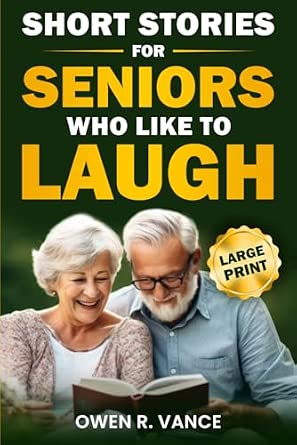
Short Stories for Seniors Who Like to Laugh: Uplifting and Funny Stories in Large Print
This book earns its spot as the Best for Mood Enhancement by focusing exclusively on humor. Compared to the more serious tone of Short Stories for Seniors: 30 Feel-Good True Stories in History, this collection prioritizes laughter and lightness. The stories are short and punchy, designed to deliver quick emotional lifts rather than deep narrative immersion. While Decades of Uplifting Short Stories offers more volume, this title focuses on quality over quantity, ensuring every piece lands with a smile. The large-print design supports accessibility without compromising the playful layout. It is an ideal pick for caregivers looking to spark joy or for seniors who find heavy plots tiring. The tradeoff is a lack of depth; these are snacks, not meals.
Pros:- Focuses entirely on humor and joy
- Short stories prevent reading fatigue
- Accessible large-print layout
- Great as a feel-good gift
Cons:- Lacks narrative depth or complexity
- Humor is subjective and may not land
Best for: Seniors needing a quick mood boost or caregivers looking for lighthearted engagement.
Not ideal for: Readers who prefer complex plots, mystery, or substantial historical narratives.
- Format:Large print
- Content:Uplifting and funny stories
- Intended audience:Seniors
- Tone:Humorous
- Story length:Short
- Primary goal:Entertainment
Our verdict“Pick this for effortless entertainment that prioritizes laughter over literary depth.”
Decades of Uplifting Short Stories for Seniors: 100 Funny Stories from the 50s to 90s (Large Print)
With 100 stories, this book offers the most value per page in this group. It differs from Short Stories for Seniors Who Like to Laugh by anchoring humor in nostalgic decades (1950s–1990s), which can trigger positive memories. The sheer volume means it lasts longer, making it a practical choice for daily reading. However, the large count can sometimes dilute quality, as not every story hits the same high note as the curated selections in smaller books. The large-print format remains consistent, aiding readability. This is the best option for avid readers who consume books quickly and enjoy a mix of eras. It lacks the focused educational angle of 30 Feel-Good True Stories, leaning instead into pure entertainment through a nostalgic lens.
Pros:- High volume of 100 stories
- Nostalgic themes from 50s-90s
- Cost-effective for long-term reading
- Clear large-print text
Cons:- Story quality may vary across 100 entries
- Nostalgia may not appeal to all seniors
Best for: Avid readers who enjoy nostalgic content and want a long-lasting book.
Not ideal for: Readers who prefer highly curated, short selections or dislike nostalgia-heavy content.
- Story count:100
- Format:Large print
- Content:Funny short stories
- Time period:1950s to 1990s
- Tone:Uplifting
- Target audience:Seniors
Our verdict“Select this for maximum reading time and a trip down memory lane through funny tales.”
Large Print Merriam-Webster Puzzles: 10-Booklet Set
This set shifts the focus from narrative reading to active mental engagement. Unlike the passive reading required by Decades of Uplifting Short Stories, these booklets demand problem-solving skills. The 10-booklet format allows for short, manageable sessions, which is helpful for those with limited attention spans or stamina. The Merriam-Webster brand ensures high-quality, accurate puzzle content, distinguishing it from generic puzzle books. While it lacks the emotional connection of story-based books like Short Stories for Seniors Who Like to Laugh, it provides a different kind of satisfaction. The tradeoff is that it requires more effort and concentration than simply relaxing with a story. It is best for seniors who feel stagnant without a mental challenge and prefer variety over a single long book.
Pros:- Trusted Merriam-Webster content quality
- 10 separate booklets for easy handling
- Promotes active brain engagement
- Large print reduces eye strain
Cons:- Requires more mental effort than reading
- Lacks narrative or emotional engagement
Best for: Seniors who prefer puzzle-solving over reading and want varied cognitive exercises.
Not ideal for: Readers who find puzzles stressful or prefer immersive narrative stories.
- Booklets included:10
- Print format:Large print
- Brand:Merriam-Webster
- Content type:Puzzles
- Activity level:Active
- Binding:Booklet set
Our verdict“Buy this if you want a trusted, varied puzzle collection that challenges the mind actively.”
Easy Jumbo Word Search for Seniors: Extra Large Print Word Puzzles for Relaxation and an Active Mind
This book is the Best for Relaxation and Low Vision users due to its extra-large print and simple word search format. Compared to the more complex puzzles in Large Print Merriam-Webster Puzzles, these grids are less mentally taxing, prioritizing calm over challenge. The jumbo font size is a significant advantage for seniors with severe macular degeneration or other vision impairments. While it doesn’t offer the narrative escape of Short Stories for Seniors Who Like to Laugh, it provides a meditative, low-stress activity. The primary drawback is the potential for repetition; word searches can become monotonous over time. It is an excellent choice for those who need a stress-free way to keep eyes focused and minds gently active without the pressure of solving difficult riddles.
Pros:- Extra-large print for maximum legibility
- Low-stress, relaxing activity
- Simple format requires minimal instruction
- Encourages gentle mental focus
Cons:- Can become repetitive and monotonous
- Lacks the complexity of other puzzle books
Best for: Seniors with significant vision impairments or those seeking stress-free, repetitive relaxation.
Not ideal for: Readers who get bored easily or prefer complex, varied puzzle types.
- Format:Word search puzzle book
- Print size:Extra-large
- Target audience:Seniors
- Primary benefit:Relaxation
- Secondary benefit:Active mind
- Puzzle type:Word search
Our verdict“Choose this for a gentle, visually accessible puzzle experience that prioritizes comfort.”

How We Picked
I evaluated these books based on typographic accessibility, ensuring that font sizes were genuinely large (18pt or higher) and not merely marketed as such. I also assessed content relevance, looking for themes that resonate with senior life experiences, such as nostalgia, faith, and historical reflection. Durability and binding were considered, as seniors often read in bed or while traveling, requiring books that lay flat or withstand frequent handling. I prioritized titles that offer a balance between mental stimulation and visual comfort, recognizing that reading should be a source of joy, not frustration.
| large-print books for senior | Format | Intended Audience |
|---|---|---|
| 101 Short Biography Stories fo | Large Print | Seniors |
| A Dog for Keeps: A Lilac Creek | Large Print | — |
| Short Stories for Seniors | Large Print | Seniors, Dementia, Alzheimer’s |
| Engaging and Heartfelt Short S | Large Print | Seniors |
| Heartwarming Short Stories for | Large Print | Seniors |
| 101 Western Short Stories for | Large Print | Seniors |
| Large Print Memory Puzzles: 17 | Large Print | — |
| Bible Short Stories for Senior | Large Print | Seniors |
| Growing Up in the Fifties: Lar | Large Print | — |
| Short Stories for Seniors Who | Large Print | Seniors |
| Short Stories for Seniors: 30 | Large print | — |
| Short Stories for Seniors Who | Large print | Seniors |
| Decades of Uplifting Short Sto | Large print | — |
| Large Print Merriam-Webster Pu | — | — |
| Easy Jumbo Word Search for Sen | Word search puzzle book | — |
Factors to Consider When Choosing Large-print Books For Seniors
Selecting a large-print book requires looking beyond the cover title. The following factors will help you match the right book to the reader’s specific visual needs and cognitive preferences.
Font Size and Typeface Clarity
Not all large-print books are created equal. While many claim to be large print, 14pt font is often insufficient for those with significant macular degeneration. Look for titles that explicitly state 18pt or larger fonts. Additionally, the typeface matters; sans-serif fonts like Arial or Helvetica are generally easier to read for those with dyslexia or vision impairment than serif fonts like Times New Roman. Check if the book uses bolding for emphasis rather than italics, as italics can reduce legibility for aging eyes.
Paper Quality and Glare Reduction
Glare is a major enemy for senior readers, especially those with cataracts. Glossy paper reflects light, causing eye strain and making text difficult to distinguish. Always choose books printed on cream or off-white matte paper, which absorbs light and provides higher contrast. Thick paper also prevents show-through, where text from the back side bleeds through and disrupts the reading flow. If the recipient reads under artificial light, this factor becomes even more critical than font size alone.
Content Complexity and Cognitive Load
Large print does not automatically mean simple content. Some large-print novels retain complex plots and long sentences that can be mentally exhausting. For readers with early-stage dementia or attention deficits, choose anthologies with short, self-contained stories. These allow the reader to finish a section in one sitting, providing a sense of accomplishment. In contrast, readers with healthy cognition may prefer full-length novels in large print, which offer deeper immersion but require longer attention spans.
Binding and Physical Handling
Arthritis and reduced grip strength are common among seniors. Hardback books can be heavy and difficult to hold for extended periods. Paperbacks with flexible bindings are often easier to manage. Look for books that lay flat when opened, eliminating the need to hold the spine down with one hand while reading with the other. Spiral-bound puzzle books are particularly useful here, as they allow the page to be flipped completely flat without resistance.
Thematic Relevance and Engagement
The best book is one the reader actually wants to finish. Match the genre to their lifelong interests. A history buff will engage more with biographical collections than a generic mystery. For those seeking comfort, uplifting or religious stories provide emotional resonance. Puzzle books serve a different purpose, offering active engagement rather than passive consumption. Understanding whether the reader wants to relax, learn, or challenge their mind is the key to selecting the right title.
Frequently Asked Questions
Is a larger font always better for senior readers?
No, excessively large fonts can sometimes be detrimental. If the font is too large, it reduces the number of words per line, requiring more frequent eye movements across the page. This can cause tracking errors, where the reader loses their place. The ideal balance is a font size between 18pt and 24pt with generous line spacing. This allows for natural reading rhythm without forcing the eyes to jump too frequently.
Are large-print puzzle books suitable for seniors with Alzheimer’s?
It depends on the stage of the condition. In early stages, memory puzzles and word searches can provide beneficial cognitive stimulation and a sense of routine. However, as the disease progresses, complex puzzles may cause frustration and anxiety. For mid-to-late stages, simple coloring books or very easy matching activities are better suited than word-based puzzles that require recall or spelling knowledge.
How do I choose between fiction and nonfiction for a senior with vision loss?
Consider their attention span and visual stamina. Nonfiction, particularly biographies or historical anecdotes, often features shorter chapters and factual content that is easier to digest in small bursts. Fiction, especially mysteries or novels, requires sustained focus to follow plot threads. If the reader tires quickly, nonfiction anthologies are a safer bet. If they have periods of high energy and focus, large-print fiction can provide deeper entertainment.
Do digital large-print options replace physical books?
Digital options offer adjustable font sizes, which is a significant advantage. However, many seniors prefer the tactile experience of physical books, which aids memory and provides a familiar ritual. Tablets also introduce issues like screen glare and battery management. Physical large-print books require no technology maintenance and offer consistent contrast. They are often more reliable for daily use, especially for those who are not tech-savvy.
What is the best gift for a senior who no longer reads for pleasure?
If reading has become a chore, switch to low-effort engagement. Jumbo word searches or simple coloring books provide a sense of activity without the pressure of narrative comprehension. Alternatively, consider audiobooks with physical companion books, allowing them to listen while following along with large print. This hybrid approach maintains visual stimulation without requiring them to decode text visually for long periods.
Conclusion
Choosing the right large-print book depends on the reader’s specific visual limitations and mental interests. For a balanced mix of education and ease, 101 Short Biography Stories for Seniors stands out as the best overall choice. If the goal is pure relaxation and emotional comfort, Heartwarming Short Stories for Seniors is the superior pick. For those who prefer active mental engagement over passive reading, Large Print Memory Puzzles offers the best value. Beginners or those with significant vision loss should start with Easy Jumbo Word Search for Seniors to build confidence. For readers with specific faith-based interests, Bible Short Stories for Seniors provides the most relevant content. Match the format to the reader’s stamina, and you will find the perfect companion for their reading hours.
Cold & flu season Picks
humidifiers
As an affiliate, we earn on qualifying purchases.