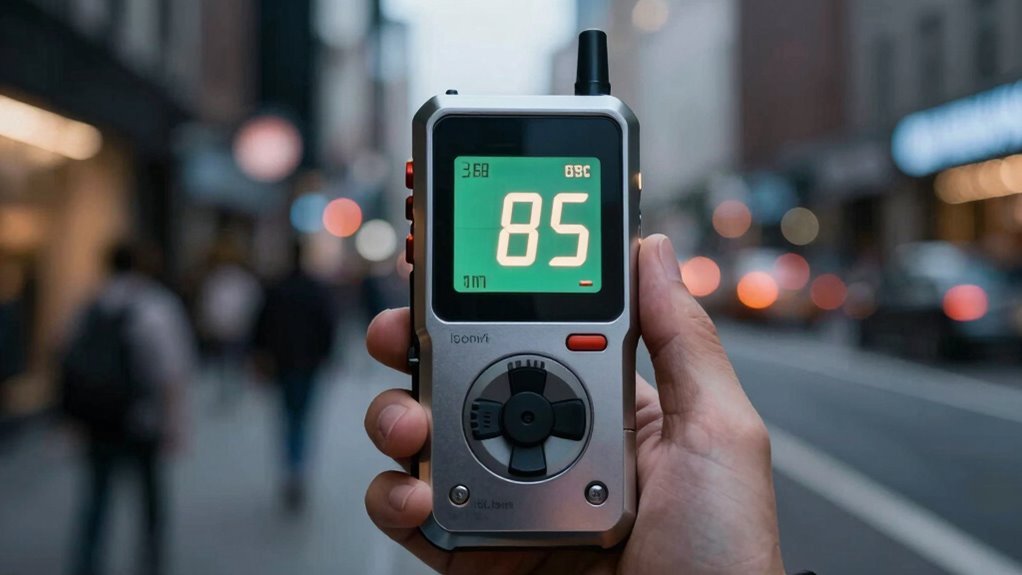

Decibel ratings show how well a product reduces or blocks noise, helping you pick the right hearing protection or audio device for your environment. Higher ratings mean better noise reduction, which is important in loud settings like concerts or shooting ranges. Keep in mind, fit and seal impact performance, so actual results can vary. Understanding these ratings helps you make smarter choices for safety and comfort—if you want to know more, you’re in the right place.

Turn quiet afternoons into listening time
- Thousands of audiobooks, podcasts and originals
- Listen on your phone, tablet or Echo — also offline
- Cancel anytime
Key Takeaways
- Decibel ratings indicate how much noise a product can reduce or block, helping you assess its effectiveness.
- Higher decibel ratings generally mean better noise reduction, suitable for very loud environments.
- Ratings are based on standardized tests but actual performance depends on fit and seal.
- Use decibel ratings to compare products for specific noise environments and safety needs.
- Always consider comfort and fit, as they significantly influence real-world noise reduction performance.
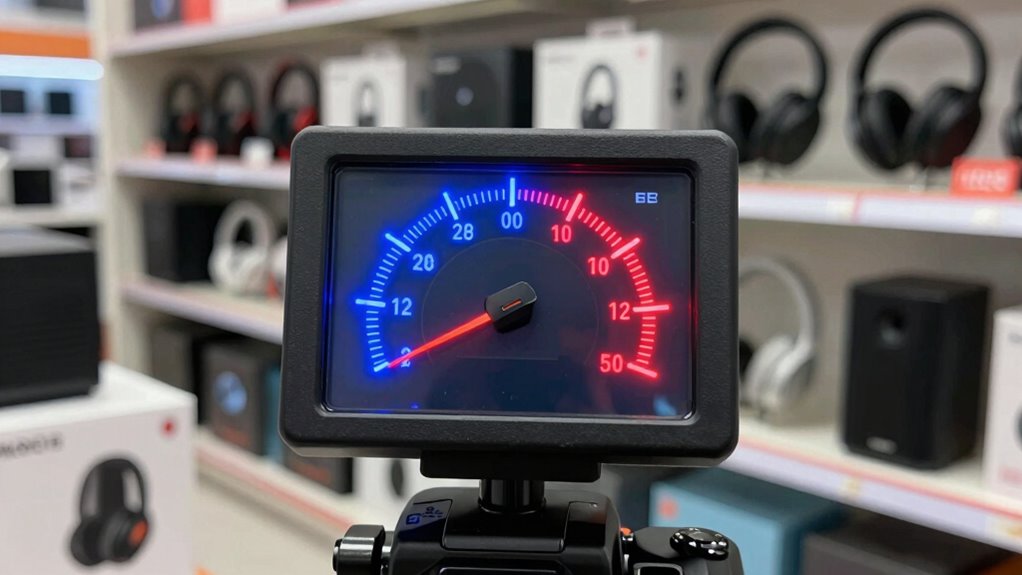
Decibel ratings are a way to quantify noise levels, providing a clear measure of how much sound a device can reduce or block. For example, a pair of earplugs with a noise reduction rating (NRR) of 33 decibels is designed to cut down loud sounds by that amount, making them suitable for shooting ranges, concerts, or noisy workplaces. Conversely, headphones with active noise cancellation features might advertise their ability to reduce noise by a specific decibel level, often around 20 to 30 decibels, depending on the model. You should consider your environment’s noise levels when choosing a product; for extremely loud settings, look for higher decibel reduction ratings to guarantee your hearing remains protected and comfortable.
It’s important to realize that decibel ratings don’t just measure how much noise a product can block but also reflect how well it performs in real-world scenarios, where external factors can influence effectiveness. A higher decibel rating generally indicates better noise suppression, but it’s not the sole factor. Comfort, fit, and the type of noise you encounter also play significant roles in your overall experience. For example, if you’re commuting in a noisy city, a pair of headphones with good sound measurement capabilities and a high noise reduction rating can help you focus on your music or podcast without cranking the volume to unsafe levels. Additionally, understanding noise reduction ratings can help you compare products more effectively and choose one that best suits your specific needs. Being aware of sound insulation properties can further guide you in selecting devices that provide optimal noise management for your environment. Recognizing how noise levels differ across environments can also help you make more informed decisions when selecting hearing protection or audio devices.
Furthermore, some products are tested under standardized conditions, but actual performance may vary depending on fit and seal, which are critical for achieving the rated noise reduction. Keep in mind that decibel ratings are often labeled on packaging or product descriptions, so you can compare different options easily. However, be cautious—sometimes the ratings are optimistic or tested under ideal conditions, not everyday use. Always read reviews and, if possible, try the product yourself to see how it performs in your typical noise environment. By understanding what decibel ratings mean when you shop, you make smarter choices that protect your hearing and enhance your listening experience.
Products Worth Considering

Oura Ring 4 Smart Ring – Silver – Size 8

Bowflex PR1000 Home Gym

Philips Sonicare DiamondClean 9000 Electric Toothbrush Bundle, HX9912/72
As an affiliate, we earn on qualifying purchases.
Frequently Asked Questions
How Do Decibel Ratings Compare Across Different Brands?
When comparing decibel ratings across different brands, you’ll find some inconsistencies due to varying measurement standards. To guarantee brand consistency, look for products tested under standardized measurement standards like ANSI or IEC. This helps you accurately compare noise levels. Keep in mind, even if two products have similar ratings, actual noise can differ based on design and build quality, so consider reviews and testing results for a complete picture.
Are Higher Decibel Ratings Always Louder?
Sure, higher decibel ratings are generally louder, but it’s not always a direct comparison. Think of it like a vintage radio—just because it’s old doesn’t mean it’s louder. When you choose devices, remember that higher decibels can contribute to noise pollution and impact your hearing health. Always consider the context and environment, because louder isn’t always better, especially if it risks damage over time.
Can Decibel Ratings Indicate Sound Quality?
Decibel ratings don’t directly indicate sound quality, as sound perception involves more than just loudness. Noise measurement focuses on the volume level, but quality depends on factors like clarity and tone. When you see a specific decibel rating, it tells you how loud a sound is, not how good it sounds. So, a higher decibel doesn’t necessarily mean better sound quality—it’s just about the noise measurement.
What Is Considered a Safe Decibel Level?
A safe decibel level is typically under 85 decibels, as prolonged exposure above this can cause hearing damage. When you’re around loud noises, it’s essential to use hearing protection to prevent noise pollution from harming your hearing. Keep in mind that noise pollution from loud environments can impact your health, so limit exposure and wear appropriate ear protection to stay safe and protect your hearing.
Do Decibel Ratings Change Over Time?
Decibel ratings generally stay consistent over time, but your perception of noise may change with exposure. Did you know noise pollution can cause hearing loss even at moderate levels if exposed repeatedly? You might think a 70 dB sound is safe, but prolonged exposure increases risk. Always use hearing protection in loud environments, because decibel ratings don’t change, but your hearing can. Stay aware to protect your ears.
Conclusion
Understanding decibel ratings helps you choose quieter appliances or tools, making your home more peaceful. For instance, imagine selecting a vacuum cleaner with a lower decibel rating—you’re not just cleaning, but doing so without disturbing your family’s movie night. By paying attention to decibel levels, you guarantee your environment stays calm and comfortable, letting you enjoy everyday activities without unnecessary noise. So, next time you shop, remember: quieter options can make a big difference in your daily life.