To reduce injuries in older adults, focus on making your home safer by removing trip hazards, adding grab bars, and improving lighting. Incorporate regular strength training exercises to boost balance, muscle, and bone health. Combining these steps helps create a secure environment and builds confidence in daily movement. Small, consistent changes can make a big difference—continue exploring ways to stay safe and support your independence.
Key Takeaways
- Modify the home environment by removing hazards, installing grab bars, and ensuring proper lighting for safer mobility.
- Incorporate regular strength training exercises to improve balance, muscle tone, and overall stability.
- Use non-slip mats and proper footwear to prevent slips and falls in bathrooms and other high-risk areas.
- Combine home safety modifications with consistent physical activity to proactively reduce fall risk and injury severity.
- Conduct regular safety assessments and encourage ongoing exercise to promote independence and confidence in daily movement.
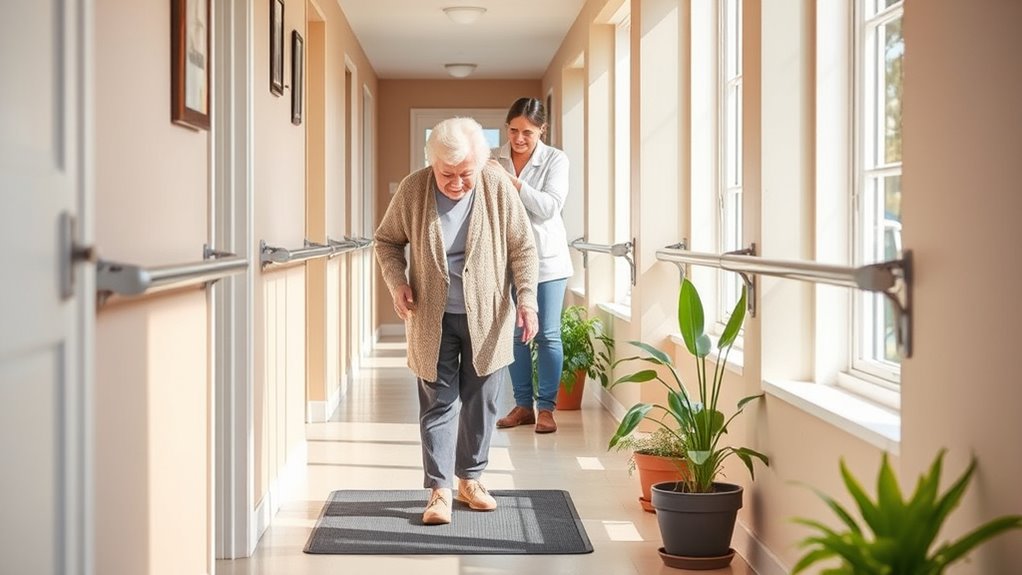
Falls can happen unexpectedly, but many accidents are preventable with the right strategies. One of the most effective steps you can take is making simple home modifications. Start by removing tripping hazards such as loose rugs, clutter, and electrical cords that snake across walkways. Install grab bars in the bathroom, especially near the shower and toilet, to provide extra support when standing or sitting. Verify your walkways are well-lit, and consider adding nightlights to prevent missteps during nighttime bathroom trips. Non-slip mats in the bathtub and on bathroom floors can also reduce the risk of slipping. These modifications create a safer environment, making it easier for you to move around confidently and avoid falls.
In addition to improving your home environment, focusing on strength training can notably enhance your balance and stability. Building muscle strength, particularly in the legs and core, helps you recover from slips and maintain better control during movement. You don’t need to engage in intense workouts; simple exercises like sit-to-stand movements, leg lifts, and balance exercises can be very effective. Incorporate strength training routines into your weekly schedule, ideally with guidance from a physical therapist or fitness professional, especially if you’re new to exercise. Regular strength training not only improves your muscle tone but also helps increase bone density, reducing the severity of injuries if a fall does occur.
Taking a proactive approach by combining home modifications with strength training can dramatically lower your risk of falling. It’s about creating a safer environment and strengthening your body so that you’re better equipped to navigate daily activities. Remember, consistency is key—small, regular changes make a big difference over time. Stay attentive to potential hazards around your home and stay active to keep your muscles strong and your balance steady. These strategies work together to empower you to maintain independence and reduce the fear of falling. By making these adjustments and committing to strength training, you take control of your safety, helping you stay confident and secure in your daily life.

TAILI Grab Bars for Bathtubs and Showers 2 Pack Suction Grab Bar, Heavy Duty Shower Handle Removable Bath Handrails for Seniors and Elderly, Bathroom Safety Grip No Drilling Waterproof,Grey
Matters need Attention: Only suitable for tiles measuring 4×4 inches or larger. For the safety of the seniors…
As an affiliate, we earn on qualifying purchases.
As an affiliate, we earn on qualifying purchases.
Frequently Asked Questions
How Effective Are Home Modifications in Preventing Falls?
Home modifications are highly effective in preventing falls when you perform a thorough risk assessment and focus on home safety. By identifying hazards like loose rugs or poor lighting, you can implement changes such as grab bars or non-slip mats. These modifications reduce fall risks considerably, making your home safer. Regularly reviewing and updating these safety measures ensures ongoing protection, helping you stay independent and injury-free.
What Are the Latest Assistive Devices for Fall Prevention?
You should consider the latest assistive devices like smart canes and wearable sensors. Smart canes have built-in GPS and fall detection features, giving you extra safety and confidence. Wearable sensors monitor your movements and alert you to balance issues before a fall happens. These innovations help you stay independent and reduce injury risk, making daily activities safer and easier to manage.
How Can Caregivers Support Fall Risk Assessments?
You can support fall risk assessments by turning into a home safety detective, scrutinizing every nook and cranny for hazards. Use your caregiver training to identify and eliminate tripping risks, guarantee proper lighting, and install grab bars. Regularly involve healthcare professionals for thorough evaluations. Your keen eye and proactive approach make all the difference, transforming your home into a fortress of safety where falls are less likely to crash the party.
Are There Specific Exercises Proven to Reduce Falls?
Yes, there are specific exercises proven to reduce falls. You should focus on balance training, like standing on one foot or heel-to-toe walks, and strength exercises such as leg lifts and resistance training. These activities improve stability and muscle strength, helping you maintain better control and reduce fall risk. Incorporate these exercises into your routine regularly, and consider consulting a healthcare professional for personalized guidance.
What Medications Increase Fall Risk in Older Adults?
Certain medications increase your fall risk due to medication side effects and drug interactions. Benzodiazepines, sedatives, and antidepressants can cause dizziness, confusion, or balance issues, making falls more likely. Blood pressure medications may lead to hypotension, causing fainting. Always review your medications with your healthcare provider to identify potential risks, and report any side effects promptly to help prevent falls and injuries.

TEESHLY Bath Tub and Shower Mats, Non Slip 40 x 16 Inch Extra Large Bathtub Mat, Machine Washable Bathmat with Drain Holes, Suction Cups for Bathroom Floor, Gray
NON-SLIP LARGE BATH MAT: Our non-slip large bathtub mat offers superior coverage with its 40 x 16-inch size,…
As an affiliate, we earn on qualifying purchases.
As an affiliate, we earn on qualifying purchases.
Conclusion
So, next time you think falling is just a harmless stumble, remember it’s your body’s way of saying, “Hey, I’d rather not take a nosedive today.” By actively implementing these simple fall prevention strategies, you can save yourself from embarrassing falls and serious injuries. After all, aging gracefully doesn’t mean gracefully crashing to the floor. Stay vigilant, stay safe, and maybe keep those walking shoes handy—your future self will thank you.

Stability Trainer Pad – Foam Balance Exercise Pad Cushion for Therapy, Yoga, Dancing Balance Training, Pilates,and Fitness (Blue c)
It is soft and thick enough to support ankle stability, relief pains for knee, and elbow.
As an affiliate, we earn on qualifying purchases.
As an affiliate, we earn on qualifying purchases.
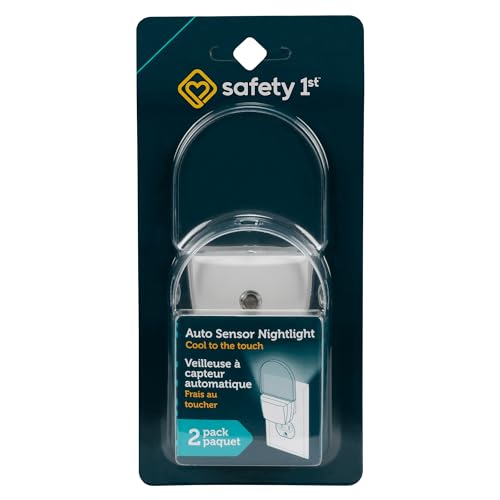
Safety 1st LED Nightlight, 2 Count
CHILD FRIENDLY DESIGN: Nightlight is cool to the touch
As an affiliate, we earn on qualifying purchases.
As an affiliate, we earn on qualifying purchases.