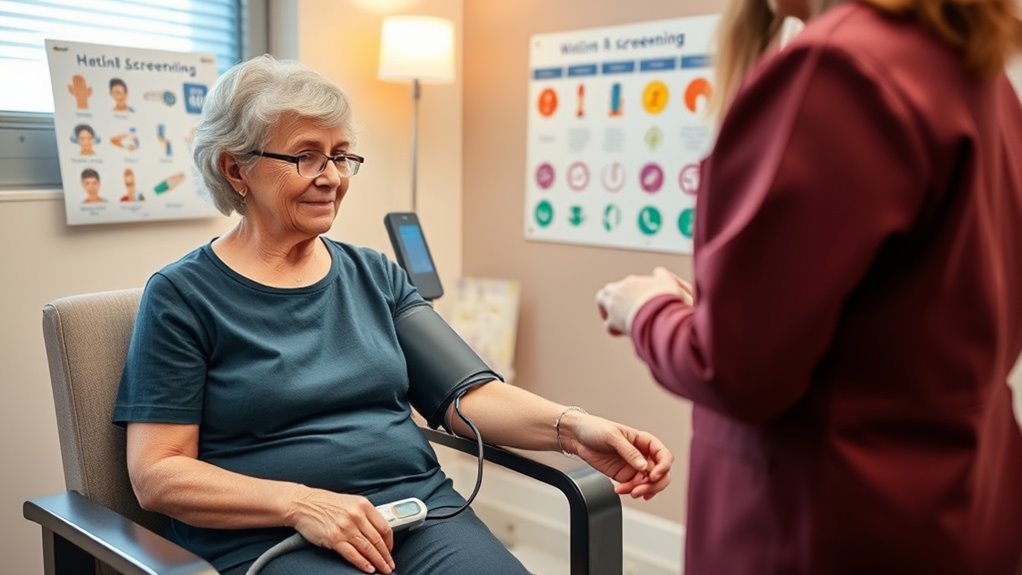

As a caregiver, it’s important to guarantee your senior loved ones stay up-to-date with regular health screenings. Key tests include blood pressure checks, cholesterol and blood sugar tests, cancer screenings like mammograms and colonoscopies, and bone density scans. Hearing and vision tests are also essential. Staying proactive helps spot issues early and keeps them healthier longer. Keeping these screenings on schedule can make a real difference—learn more about what to watch for and how to support them effectively.

Turn quiet afternoons into listening time
- Thousands of audiobooks, podcasts and originals
- Listen on your phone, tablet or Echo — also offline
- Cancel anytime
Key Takeaways
- Seniors should undergo regular screenings like blood pressure, cholesterol, blood sugar, and cancer tests to detect health issues early.
- Caregivers play a vital role in scheduling, reminding, and supporting seniors through screening appointments and follow-ups.
- Bone density scans, hearing, and vision tests help identify age-related sensory and bone health concerns before complications arise.
- Staying on top of screening schedules enables proactive management of chronic conditions and reduces serious health risks.
- Educating caregivers about the importance of preventive screenings enhances seniors’ overall health and quality of life.
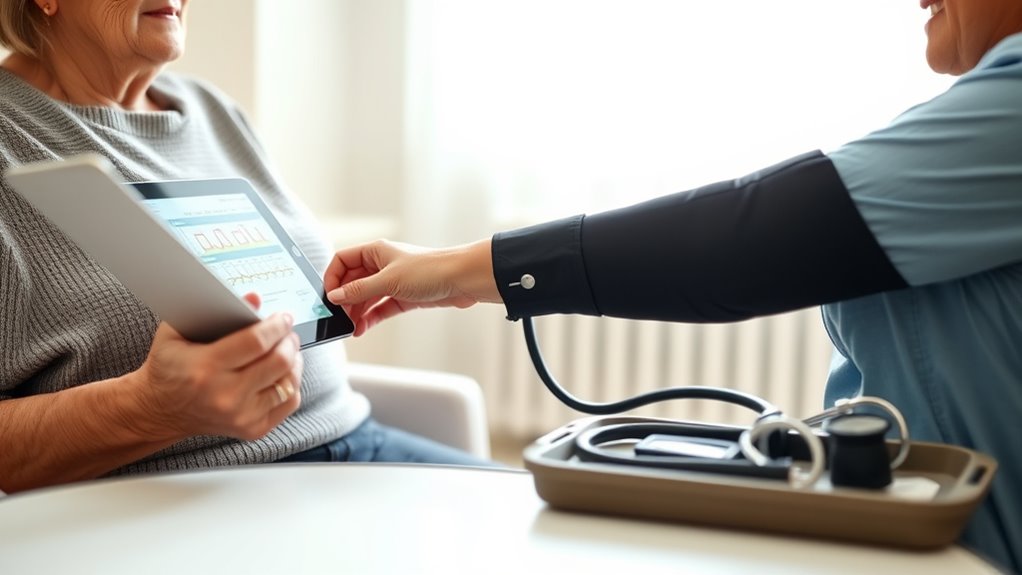
As you age, regular health screenings become crucial for maintaining your well-being and catching potential issues early. Staying proactive with preventive measures is key to aging gracefully and avoiding serious health complications down the line. That’s why understanding screening guidelines is so important. These guidelines, recommended by health authorities, help determine when and how often you should get tested for common age-related conditions. By following these recommendations, you empower yourself with knowledge and early detection, which can lead to more effective treatment and improved quality of life.
Regular screenings in aging promote health, early detection, and a better quality of life.
For seniors, routine screenings typically include blood pressure checks, cholesterol testing, and blood sugar assessments. These tests help identify risks for heart disease, stroke, and diabetes before symptoms even appear. Maintaining a healthy lifestyle and adhering to screening schedules can markedly reduce your chances of developing severe complications. For example, regular blood pressure monitoring can catch hypertension early, allowing you and your caregiver to manage it with lifestyle changes or medication. Similarly, lipid panels can reveal high cholesterol levels, prompting dietary adjustments or treatments that prevent heart attacks or strokes.
Cancer screenings are equally essential. Age-appropriate tests such as mammograms for breast cancer, Pap smears for cervical cancer, and colonoscopies for colorectal cancer are part of the standard screening guidelines for seniors. These procedures detect abnormalities or early signs of cancer, often before symptoms manifest. Early detection through these screenings greatly improves treatment outcomes. It’s important that caregivers assist in scheduling these appointments and ensure you stay current with the recommended screening intervals, as neglecting them can lead to missed opportunities for early intervention.
Bone health is another critical aspect. Bone density scans help identify osteoporosis risk, which is common among older adults, especially women. Preventive measures like adequate calcium and vitamin D intake, along with weight-bearing exercises, can help maintain bone strength. Regular screenings and preventive efforts reduce the likelihood of fractures that can severely impact mobility and independence.
Additionally, hearing and vision tests should not be overlooked. Changes in sensory functions can affect your safety and quality of life. Routine assessments by your healthcare provider can catch issues early, enabling timely management and adaptations. Recognizing the importance of preventive screenings can foster early intervention and better health outcomes, ensuring you stay active and independent in your later years.
blood pressure monitor for seniors
As an affiliate, we earn on qualifying purchases.
As an affiliate, we earn on qualifying purchases.
Frequently Asked Questions
How Often Should Seniors Undergo Health Screenings?
You should schedule health screenings for seniors at least once a year, but screening frequency can vary based on their health status and risk factors. Regular health monitoring helps catch issues early and keeps everyone informed about their well-being. Encourage your loved one to follow their healthcare provider’s recommendations, and don’t hesitate to adjust screening schedules if new health concerns arise or conditions change.
Are There Screenings Specific to Different Age Groups Within Seniors?
Yes, there are age-specific screenings and tailored health assessments for different senior age groups. You should focus on early detection of issues like osteoporosis for those over 65 and cognitive assessments for those reaching their late 70s. Regularly schedule these screenings based on age and health history, and stay proactive. This approach helps catch health problems early, ensuring you or your loved one receives the right care at the right time.
What Are the Costs Associated With Common Senior Health Screenings?
Imagine walking into a clinic, your appointment ready, and the costs of screenings are clear. Screening costs vary depending on the test, but many are covered by insurance or Medicare, easing your worries. Out-of-pocket expenses can be minimal or zero if covered, but it’s wise to check your insurance coverage beforehand. Staying informed helps you plan, ensuring your senior loved ones receive essential health screenings without unexpected financial stress.
How Can Caregivers Encourage Seniors to Participate in Screenings?
You can encourage seniors to participate in screenings by using motivational strategies like emphasizing how screenings keep them healthy and independent. Practice clear, compassionate caregiver communication to address their concerns and answer questions honestly. Remind them of the benefits, and offer to accompany them to appointments for support. Making the process feel caring and respectful can boost their motivation and help them see screenings as a crucial part of their well-being.
What Are the Latest Advancements in Senior Health Screening Technology?
You should know that telemedicine innovations now enable remote health screenings, making it easier for seniors to access care from home. Wearable health devices also play a essential role by continuously monitoring vital signs like heart rate and activity levels. These advancements help detect issues early, allowing you to stay proactive about your loved one’s health and ensuring timely medical intervention without frequent clinic visits.
Conclusion
Staying on top of health screenings is essential for maintaining your loved one’s well-being as they age. By understanding what tests are recommended, you can catch potential issues early and guarantee they receive the care they need. Are you doing everything possible to support their health journey? Remember, proactive screenings empower seniors to enjoy a healthier, more vibrant life—so don’t wait until problems arise; stay informed and involved every step of the way.
Cold & flu season Picks
humidifiers
As an affiliate, we earn on qualifying purchases.