
TL;DR

Get comfort and care essentials delivered free — and shop member deals
- Fast, free delivery on millions of items
- Access to Prime Big Deal Days deals on October 6–7
- Prime Video, Amazon Music and more included
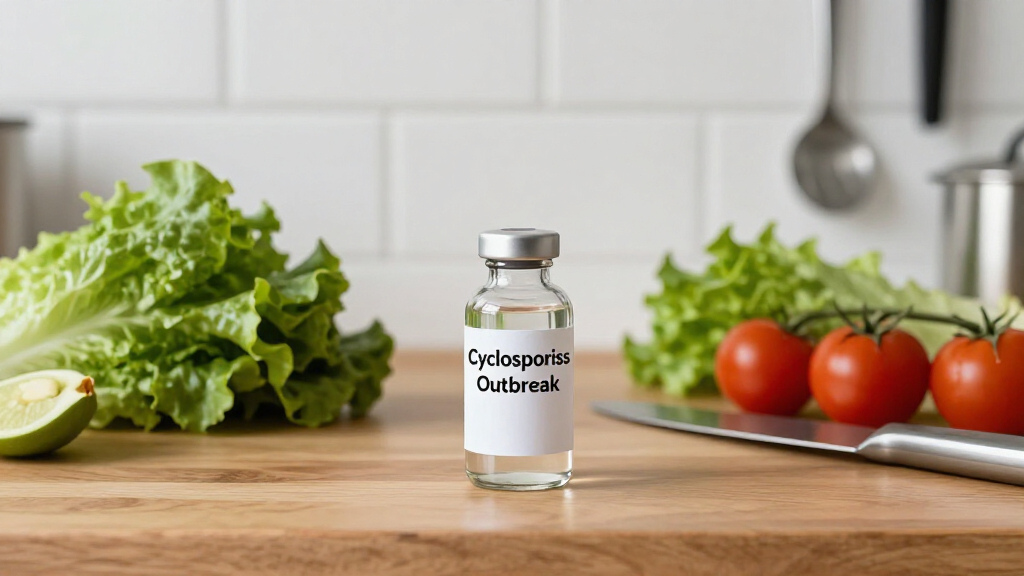
The Food and Drug Administration (F.D.A.) has identified a new outbreak of cyclosporiasis involving 72 confirmed cases nationwide. The outbreak is linked to contaminated food sources, prompting health warnings. Investigations are ongoing to determine the exact cause and affected products.
The Food and Drug Administration (F.D.A.) has confirmed a new outbreak of cyclosporiasis involving 72 cases across the United States. This outbreak is linked to contaminated food sources and has prompted public health alerts. The development underscores ongoing concerns about food safety and pathogen control.
The F.D.A. announced the outbreak on March 2024, stating that 72 individuals from multiple states have been diagnosed with cyclosporiasis, a parasitic infection caused by Cyclospora cayetanensis. The agency has identified possible links to specific food products, though investigations are still in progress.
Health officials have noted that symptoms typically include diarrhea, stomach cramps, and nausea, with most cases resolving after treatment. No deaths have been reported at this time. The affected individuals range in age and demographic, with no specific population disproportionately impacted.
Why This Outbreak Raises Food Safety Concerns
This outbreak highlights persistent vulnerabilities in the food supply chain, especially regarding produce that may be contaminated at various points during harvesting, processing, or distribution. The rise in cyclosporiasis cases emphasizes the importance of food safety protocols and thorough inspections. For consumers, it underscores the need for careful food handling and awareness of potential risks associated with fresh produce.
As an affiliate, we earn on qualifying purchases.
Recent Trends in Cyclosporiasis and Foodborne Pathogens
Cyclosporiasis outbreaks have been reported sporadically over the past decade, often linked to imported or contaminated fresh produce such as berries, leafy greens, and herbs. The parasite Cyclospora cayetanensis is known to be resistant to standard cleaning methods, making prevention challenging. Prior outbreaks have led to recalls and increased scrutiny of food safety practices, but new cases continue to emerge periodically.
In 2023, health authorities issued warnings about similar outbreaks, underscoring the ongoing nature of the problem and the need for improved detection and prevention measures across the supply chain.
“We are actively investigating the source of this outbreak and are working with partners to identify contaminated products and prevent further cases.”
— F.D.A. spokesperson
Details of the Contaminated Food Sources Still Unclear
It is not yet confirmed which specific foods or brands are responsible for the outbreak. The investigation is ongoing, and authorities have not yet issued a recall or identified a definitive source. Further testing and traceability analysis are required to establish the contaminated product(s).
Ongoing Investigation and Public Health Alerts Expected
The F.D.A. and CDC will continue to investigate the source of contamination, with updates anticipated as more information becomes available. Public health agencies may issue recalls, safety advisories, or new guidelines for consumers and food producers in the coming weeks.
Consumers are advised to stay informed through official channels and practice proper food handling, including thorough washing of produce, until the source is identified and contained.
Key Questions
What is cyclosporiasis?
Cyclosporiasis is an intestinal infection caused by the parasite Cyclospora cayetanensis. It leads to symptoms such as diarrhea, stomach cramps, and nausea. It is usually contracted through contaminated food or water.
Which foods are most likely involved in this outbreak?
Authorities have not yet confirmed specific food items linked to the outbreak. Past outbreaks have been associated with fresh produce like berries, leafy greens, and herbs.
How can I protect myself from cyclosporiasis?
Consumers should wash all fresh produce thoroughly, peel or cook items when possible, and stay informed about official recalls or safety alerts related to contaminated foods.
Are there any reported deaths related to this outbreak?
No deaths have been reported so far. Most cases resolve with appropriate medication.
What should I do if I experience symptoms?
If you develop symptoms such as diarrhea or stomach cramps, consult a healthcare provider promptly for diagnosis and treatment. Keep track of your recent food intake to assist in investigations.
Source: rss
Halloween Picks
halloween
As an affiliate, we earn on qualifying purchases.