
TL;DR
A Sixty and Me report uses one woman’s experience needing a ride to explore fears about losing independence after 60. It argues that accepting help does not necessarily mean losing control, and points to home adjustments, transportation planning and understanding personal priorities as ways to support choice. The report does not provide research findings or establish that any single option is right for everyone.
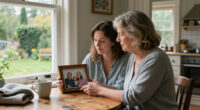
Sixty and Me has published a report examining why accepting help can feel like a threat to independence as people age. Through the story of Connie, who needed a friend to drive her to an appointment after decades of driving herself, the piece argues that independence is not the same as self-sufficiency: receiving assistance can coexist with making decisions about how to live.

Give the gift of listening to someone you love
- Choose a 1-, 3-, 6- or 12-month membership
- They pick the audiobooks they love
- Easy to send by email
The report says Connie’s appointment went smoothly, and she and her friend stopped for lunch afterward. What unsettled her was not the medical visit but the need to ask for a ride. The article presents her reaction as an example of a broader emotional concern: whether a new need for help signals that a person is beginning to lose control of their life. It does not identify Connie beyond her first name or provide further details about her circumstances.
Authoritative evidence or survey data are not included in the supplied report. Instead, it offers practical examples: improving hallway lighting, adding bathroom grab bars, changing difficult door handles, arranging occasional home maintenance and learning about transportation alternatives before driving becomes a concern. These are presented as possible preparations, not as measures guaranteed to prevent injury or preserve independence.
The piece also discusses decisions about housing and finances. Some people may adapt a home or arrange help; others may find that downsizing gives them more freedom. It says home equity could be one element of retirement planning, while cautioning that borrowing has costs and obligations and may not suit everyone. The report does not compare financial products or offer individualized financial advice.
Keeping a Say in Daily Life
The report’s central distinction matters because needing practical help and losing decision-making power are different things. A ride, a repair or help with household tasks can address a specific problem without determining where someone lives, how they spend their time or what support they accept. That framing may help readers discuss assistance without treating every change as a measure of personal failure.
It also shifts attention toward planning while choices remain available. Learning about local transport, making a home easier to use or considering future support before a crisis can help people compare options at their own pace. These steps do not guarantee that a person can remain at home or avoid future care needs. Their value, as the report presents it, is that they can help clarify preferences and preserve a role in decisions.
Housing and money choices carry different consequences for each person. A home modification, paid assistance, moving, or borrowing against home equity should not be treated as interchangeable or universally suitable. The article’s useful point is to understand possible options early, rather than assume there is one correct way to age independently.
Products Worth Considering

Withings ScanWatch Light Hybrid Smartwatch – White

Garmin Forerunner 265S GPS Running Smartwatch, 42 mm, Light Pink/Powder Gray

Withings BeamO Contactless Smart Thermometer, ECG Monitor, and Digital Stethoscope
As an affiliate, we earn on qualifying purchases.
The article connects the fear of needing help to identities built around managing work, family, homes and responsibilities without assistance. It focuses particularly on women who have spent years caring for others and may find it difficult to become a recipient of care. This is the report’s perspective, not a finding supported in the supplied material by interviews or population-level research.
Its example of Connie’s ride illustrates how a small practical change can carry a larger meaning. The report suggests asking what a person fears losing specifically: driving, a familiar home, control of finances, or authority over healthcare decisions. It says the answer matters because different concerns call for different forms of planning. No formal planning process or legal requirements are detailed in the source.
““Is this how losing my independence begins?””
— Sixty and Me report, describing Connie’s concern
Questions the Report Leaves Open
The supplied material does not include a publication date, research citations, expert interviews or evidence measuring how common these fears are. It therefore supports reporting the article’s argument and examples, but not broader claims about how older adults generally experience independence or which preparations work best.
It is also unclear what happened in Connie’s circumstances after the appointment, whether she continued driving, or whether she made any changes to her home or support arrangements. The source text ends while discussing documenting healthcare wishes and selecting a trusted person to speak on someone’s behalf. It does not provide further details, and it is not possible to infer what advice or information may have followed in the full report.
Planning Around Personal Priorities
The report points readers toward identifying the specific loss they fear before choosing a response. Someone concerned about transport might investigate local alternatives; a person struggling with home tasks might look into modifications or occasional help. Those considering a move or financial choices involving home equity would need to weigh costs, obligations and personal circumstances. The article does not specify a next publication, policy change or formal program.
For readers, the practical next step described is to explore available choices before a decision becomes urgent and to keep personal preferences at the center of discussions with trusted people or qualified professionals. The report does not say that planning can prevent every change in health or ability; it presents planning as a way to stay involved in decisions as circumstances evolve.
Key Questions
What is the main argument of the Sixty and Me report?
It argues that independence means retaining meaningful control over decisions, not necessarily doing every task without help.
Does accepting a ride mean losing independence?
Not by itself. The report uses Connie’s ride to show that receiving practical help can coexist with making choices about daily life. It does not assess her wider circumstances.
What practical preparations does the report suggest?
Examples include improving home accessibility, arranging maintenance support and learning about transportation options before they are urgently needed. These are possibilities, not guarantees or a prescription for everyone.
Does the report recommend using home equity?
No. It says home equity may be relevant to retirement planning, but warns that borrowing has costs and obligations and depends on individual circumstances. It does not recommend a particular financial product.
Source: sixtyandme.com