
TL;DR
A Sixty and Me report explores the grief that can arise after 60 when relationships with adult children and grandchildren do not match an imagined family life. It suggests naming that loss while building connection around the relationships and support available now.
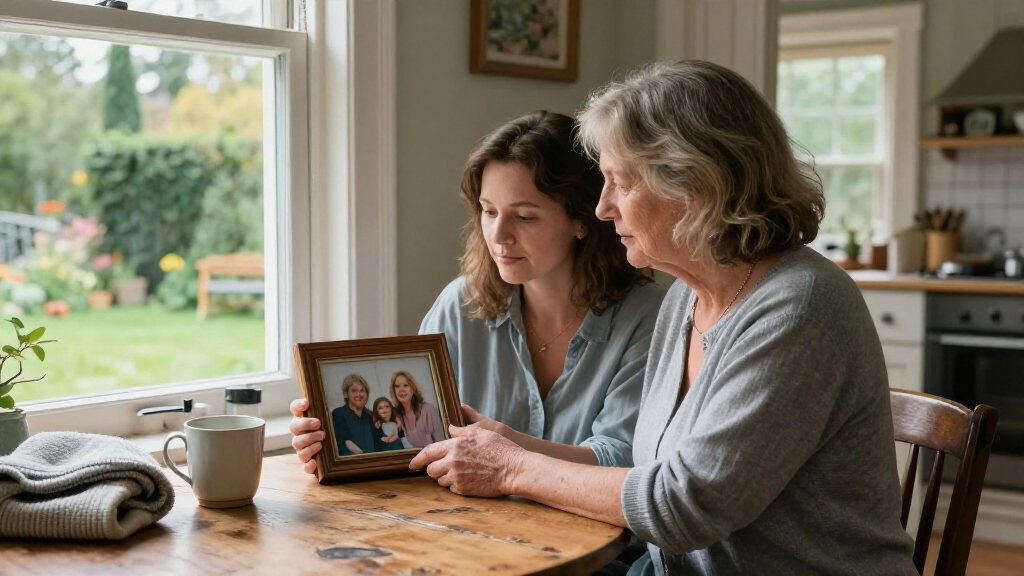
Sixty and Me has published a report about the quiet grief some women experience after 60 when relationships with adult children and grandchildren do not match the family life they expected. The piece describes this as mourning an anticipated future, even when family members are alive, and offers ways to acknowledge the loss without treating it as the end of a relationship.

Give the gift of listening to someone you love
- Choose a 1-, 3-, 6- or 12-month membership
- They pick the audiobooks they love
- Easy to send by email
The report describes expectations that may include nearby adult children, regular family meals, overnight visits from grandchildren and relatives who turn to one another for help. In real life, families may be spread across several time zones, have strained or estranged relationships, or find visits complicated by addiction, marriage or differences in beliefs. These examples come from the report; it does not provide survey data on how common any one circumstance is.
It argues that the mismatch can bring grief even though no death has occurred. The loss is of a future someone pictured and counted on, rather than a person who has died. The report says naming the expectation can help people understand what hurts, suggesting prompts such as writing down what they thought family life would look like and what they miss most about a scenario that never happened.
Its advice is to release the imagined script without abandoning family members. Suggestions include appreciating the relationship that exists, trying different ways to stay connected across distance, and developing supportive ties with friends, neighbors or community members. It also encourages pursuing activities such as classes, travel, volunteering or creative work—not as a substitute for grief, but as part of a life that matters in its own right.
How Expectations Shape Family Grief
The report puts words to a kind of loss that can be difficult to explain to others: grieving an expected relationship or family routine rather than a death. That distinction may matter to readers who feel sadness about infrequent contact or family distance but believe they have no right to mourn because their relatives are still alive.
It also points to the possibility that repeatedly comparing real relationships with an idealized family picture can deepen resentment. The report’s proposed alternative is not to deny disappointment or demand closeness, but to see whether connection can take a form that fits the people and circumstances involved. Its suggestions are guidance from the publication, not evidence that every relationship can be repaired or that any particular approach will work for everyone.
Products Worth Considering

Garmin Forerunner 55 GPS Running Watch with Daily Suggested Workouts, White

Philips Sonicare DiamondClean 9500 Electric Toothbrush with 3 Brush Heads, Black

Levoit Core 300S-P Smart WiFi Air Purifier
As an affiliate, we earn on qualifying purchases.
The Family Future Many Expected
The report frames this as a shift that may feel more pressing after 60. It says expectations can remain abstract in middle age, when there seems to be more time for circumstances to change. Later, holidays, grandchildren growing up and concerns about health can make the gap feel more immediate. Retirement may also leave more time to notice the difference between imagined and actual family life.
The article focuses on women and draws on examples rather than a research study. It includes situations ranging from geographic distance to estrangement, but does not claim these experiences apply to all older adults. Its central distinction is between letting go of a plan for how family should look and giving up on the people in that family.
“Grief is part of letting go.”
— Sixty and Me report
What the Report Does Not Establish
The source is a personal-advice report, not a study, and it does not establish how widespread this grief is or measure whether its suggestions improve relationships or emotional well-being. It also offers no detailed guidance for situations involving abuse, severe conflict or safety concerns, where increasing contact may not be appropriate.
Individual family circumstances differ. The report does not say that distance or estrangement will end, that adult children will become more available, or that building other connections removes grief. Those outcomes remain uncertain and specific to each family.
Possible Steps for Families Now
The report does not announce a program, policy change or follow-up milestone. Its proposed next steps are personal: identify the expectation behind the sadness, decide what kind of contact feels possible, and consider whether a different routine—such as a monthly letter or video call—could work for relatives who live far apart.
It also suggests making room for relationships and activities outside the immediate family. Whether those efforts lead to more contact is not known; the source offers them as options, not promises. The immediate takeaway is to acknowledge what was hoped for while paying attention to the connections and choices available now.
Key Questions
What does the report mean by grieving an imagined family picture?
It refers to sadness over a family future someone expected, such as regular visits or nearby adult children, that did not unfold as imagined.
Does letting go mean giving up on adult children?
No. The report distinguishes releasing expectations about how a relationship should look from ending or abandoning the relationship. It suggests focusing on the connection that is actually possible.
What are some ways to stay close when family lives far away?
The report suggests options such as video calls, shared online games or monthly letters. It does not claim these approaches will suit every family or guarantee greater closeness.
Does the report offer research findings?
No. The source is a Sixty and Me advice report built around examples and suggestions; it does not provide statistics or evaluate the results of its recommendations.
Source: sixtyandme.com