

TL;DR

Turn quiet afternoons into listening time
- Thousands of audiobooks, podcasts and originals
- Listen on your phone, tablet or Echo — also offline
- Cancel anytime
A contributor to Sixty and Me reflects on the 25th anniversary of her first breast cancer diagnosis and a second diagnosis two years ago, at age 70. She recounts treatment, mastectomies and reconstruction, and the role journaling and emotional support played in coping with both experiences.
A contributor to Sixty and Me is marking 25 years since her first breast cancer diagnosis with an account of two separate diagnoses, two mastectomies and reconstruction. In the personal reflection, she describes a second, invasive cancer diagnosed at age 70, along with treatment and the emotional adjustments she says she has faced.
The writer says her first diagnosis was ductal carcinoma in situ (DCIS), an early form of breast cancer found in the milk ducts, with no lymph-node involvement. She writes that the diagnosis came as a shock because she had no family history of cancer, and that she worried about what it might mean for her children. Her first cancer occurred about 25 years before the article; she places it a few months after the September 11, 2001, attacks on the World Trade Center.
Her second diagnosis came two years before the reflection, when she was 70. She says it was invasive lobular breast cancer with node involvement, despite her having annual mammograms. According to her account, care included radiation, mastectomy and reconstruction. She also says she began monthly fulvestrant injections because the cancer was estrogen-driven. The article does not provide medical records or additional clinical details, so these treatment details are the writer’s account of her experience.
The writer also describes effects of surgery beyond the immediate recovery, including changes to her body and a lasting loss of sensation around the nipple area. She says a surgeon encouraged her to journal and to take steps that helped her feel more comfortable in her body. A nurse-therapist, she recalls, used creative visualization and encouraged her to focus on her own needs during recovery.
A Long Recovery Beyond Surgery
The reflection draws attention to the fact that a cancer experience can involve more than diagnosis and treatment. The writer describes physical changes after mastectomy and reconstruction, alongside an emotional adjustment she says took longer than physical healing. Her account is personal, not a clinical study, but it offers readers a first-person view of concerns that can accompany treatment and survivorship.
It also frames the anniversary as a moment to recognize survival without suggesting that cancer is fully behind her or that all survivors have the same experience. The writer says she has tried to focus on family, work, journaling and meditation while acknowledging her history. That combination of remembrance and continuing life is the central point of her reflection.
Products Worth Considering

Hyperice Normatec Elite Wireless Compression Boots Recovery – Standard Size

BowFlex Results Series SelectTech 552 Adjustable Dumbbell
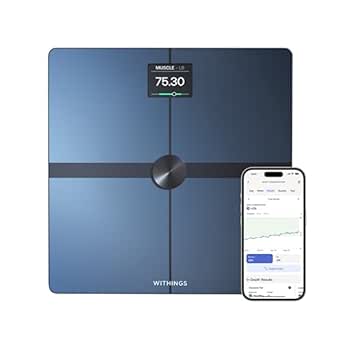
Withings Body Smart Wi-Fi and Bluetooth Smart Scale
As an affiliate, we earn on qualifying purchases.
Two Diagnoses Across 25 Years
The article recounts two distinct diagnoses rather than a single continuous illness. The first was DCIS without node involvement; the second was described by the writer as invasive lobular cancer with node involvement. She says the later diagnosis occurred despite annual mammograms. The account does not establish why the second cancer developed or provide enough information to assess screening or treatment decisions more broadly.
Writing and reflection have been part of the contributor’s life since childhood, she says. She describes keeping a journal from age 10 and later using writing to process her cancer experiences. Her book Healing with Words, which she calls a self-help memoir with journaling prompts, marked its 15th anniversary in the year before the reflection, according to her account. She also says some journal entries became published articles and that she has taught writing.
The writer places her experiences alongside the broader subject of breast cancer, but the figures in the original article are not accompanied there by a named dataset or reference. They should not be treated as independently verified estimates in this account. The reported diagnoses, treatment and coping methods here are presented as the contributor’s personal testimony.
Details the Account Does Not Give
The reflection does not identify the writer by name in the supplied source material, provide exact publication details, or include independent confirmation of her medical history. It also does not give the dates of her diagnoses, the specific treatment schedule beyond monthly fulvestrant injections, or her current medical status. The account says she received annual mammograms but does not explain the circumstances of the later diagnosis or offer information that would establish whether screening contributed to its detection.
The article’s population-level statistics are presented without a cited source in the supplied material. They are not independently verified here, and the writer’s individual experience cannot be used to predict another person’s risk or likely treatment outcome.
Her Ongoing Writing and Reflection
The source material does not announce a new medical milestone, treatment change or follow-up publication. The contributor’s reflection closes by inviting readers to discuss how they remember difficult experiences and celebrate what they have overcome. She describes continuing to journal and meditate, and to share writing through teaching and published work.
Any further information about her health, future writing or public appearances was not included in the supplied report. The anniversary piece stands as a retrospective account rather than an announcement of a new development in her care.
Key Questions
What is the news in “Celebrating My Survival: 25 Years Later”?
A Sixty and Me contributor has published a personal reflection marking 25 years since her first breast cancer diagnosis and recounting a second diagnosis two years ago.
What types of breast cancer does the writer say she had?
She describes her first diagnosis as DCIS with no node involvement and her second as invasive lobular breast cancer with node involvement. These details come from her personal account.
What treatment does the writer describe?
For the later diagnosis, she says her care included radiation, mastectomy and reconstruction, as well as monthly fulvestrant injections. The article does not provide her full medical record or treatment timeline.
How does she say she coped emotionally?
She describes journaling, meditation, creative visualization and support from a nurse-therapist, along with time alone to reflect. These are her experiences, not medical recommendations for others.
Does the article report her current medical status?
No. The supplied reflection recounts her diagnoses and treatment but does not give a current clinical update or details about ongoing care.
Source: rss