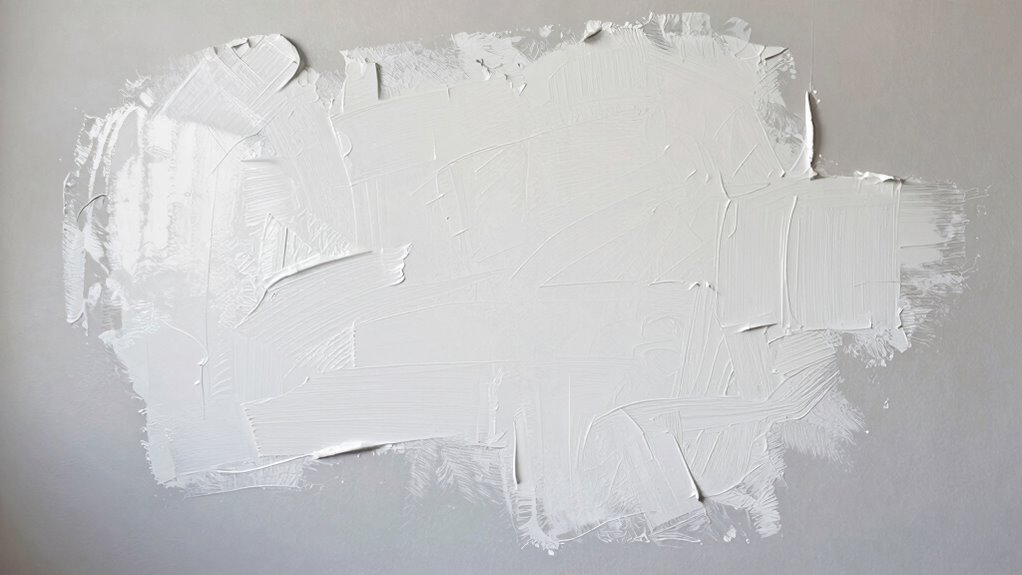

You should use primer when painting bare wood, drywall, or surfaces with stains, knots, or uneven textures that need sealing or better adhesion. It’s also essential for dark or vibrant colors to reduce coats. However, if you’re painting over well-maintained, previously painted surfaces with compatible paint, you can often skip primer and save time. To get a flawless finish, understanding when primer is truly needed is key—more details await if you explore further.

Turn quiet afternoons into listening time
- Thousands of audiobooks, podcasts and originals
- Listen on your phone, tablet or Echo — also offline
- Cancel anytime
Key Takeaways
- Use primer on porous, stained, or glossy surfaces for better adhesion and stain blocking.
- Skip primer on well-maintained, previously painted surfaces with compatible paint.
- Apply primer when changing from dark or vibrant colors to lighter shades to reduce coats.
- Avoid primer if surface is clean, lightly sanded, and suitable for direct painting.
- Consider surface condition and paint type to determine whether primer enhances durability and finish.
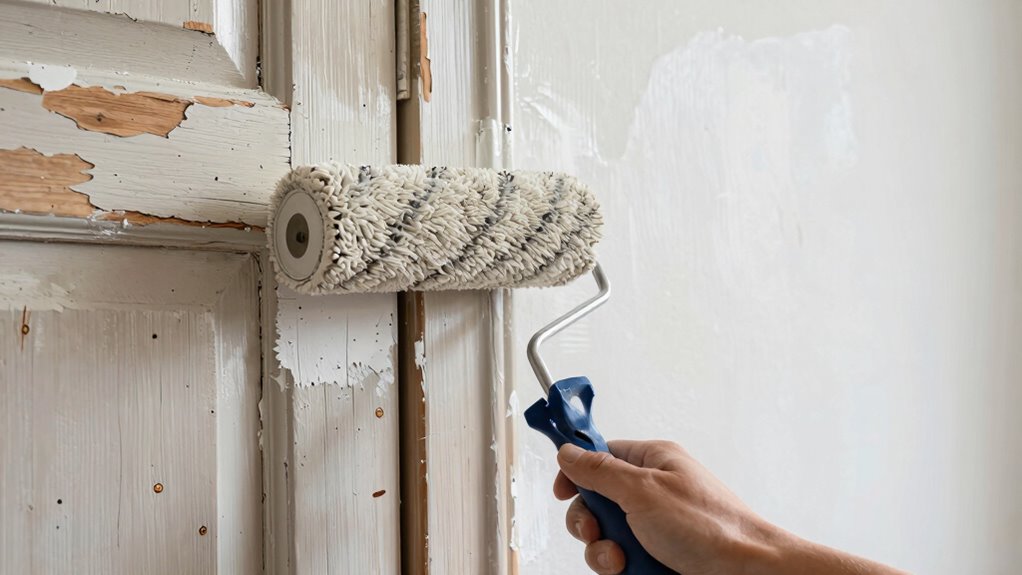
Using a primer isn’t always necessary, but knowing when to apply one can make a significant difference in your project’s outcome. Primers are designed to improve paint adhesion and guarantee your finish lasts longer. When your surface is properly prepared, applying a primer can help paint stick better, especially on tricky or non-porous surfaces. For example, if you’re painting over glossy or slick finishes, a primer creates a better grip for the paint, preventing peeling or chipping down the line. Surface preparation is key here—you want to clean, sand, or repair the surface before painting, but a primer adds that extra layer of confidence that the paint will adhere properly.
Primers enhance paint adhesion, especially on glossy or non-porous surfaces, ensuring a durable, long-lasting finish.
If you’re working with bare wood, drywall, or previously unpainted surfaces, applying a primer is highly recommended. These surfaces tend to be porous or uneven, and a primer helps seal the material, providing a uniform base. It also helps block stains, knots, or discolorations from bleeding through your new coat of paint. In cases where you’re painting over dark or vibrant colors, a primer can save you multiple coats of paint. It acts as a barrier, minimizing the number of layers needed, which saves time and money.
On the other hand, if you’re painting over a previously painted, well-maintained surface with a compatible paint, you might skip the primer. For example, if you’re doing a quick touch-up on a wall that already has a similar finish and color, surface preparation—like cleaning and light sanding—may suffice. In these cases, using a primer might be unnecessary, especially if the existing paint is in good condition and the new paint is compatible. Skipping the primer here can speed up your project without sacrificing quality. However, understanding the surface conditions is essential to make this decision confidently, as surface porosity can significantly influence adhesion and durability. Additionally, considering the type of paint used can help determine whether a primer is necessary for optimal results. Knowing how surface preparation impacts the overall finish can also guide you in achieving a professional look with less effort.
primer for bare wood and drywall
As an affiliate, we earn on qualifying purchases.
As an affiliate, we earn on qualifying purchases.
Frequently Asked Questions
Can Primer Be Used on All Types of Paint?
No, primer can’t be used on all types of paint. You need to take into account surface preparation and the specific paint you’re working with. Primer is best for improving color adhesion, sealing porous surfaces, and ensuring smooth application. For glossy or oil-based paints, using the right primer helps prevent peeling and uneven finish. Always check the manufacturer’s recommendations to ensure compatibility, and choose a primer suited for your surface and paint type.
How Long Does Primer Typically Last Before Needing a Repaint?
Primers typically last about 4 to 10 years before needing a repaint, depending on factors like paint adhesion and environmental conditions. If the primer’s integrity starts to weaken, you’ll notice peeling or cracking. To guarantee primer longevity, maintain proper surface preparation and choose high-quality products. Regular inspections help you catch issues early, extending the lifespan of your paint job and maintaining ideal paint adhesion over time.
Is Primer Necessary for Outdoor or Interior Projects?
You absolutely need primer for outdoor and interior projects—skip it, and your paint might peel off faster than you can say “mess.” Primer guarantees proper surface preparation, creating a smooth base that boosts paint adhesion dramatically. Without it, uneven surfaces or stains can ruin your finish, making your work look shoddy and short-lived. Trust me, using primer is the secret weapon for a flawless, long-lasting paint job!
Can Primer Be Applied Over Existing Paint Without Sanding?
You can apply primer over existing paint without sanding if the surface is clean, dry, and free of peeling or flaking paint. Proper surface preparation is essential for good paint adhesion; lightly cleaning the area with a damp cloth helps remove dirt or grease. If the existing paint is glossy or smooth, consider lightly sanding to enhance primer adhesion. Skipping this step may result in poor adhesion and peeling over time.
What Are the Environmental Impacts of Using Primer?
They say “what’s good for the environment is good for you,” and that’s true when considering primers. Eco-friendly formulations reduce chemical emissions, helping to lower indoor air pollution and lessen environmental impact. However, some primers contain volatile organic compounds (VOCs) that contribute to air pollution. By choosing low-VOC or zero-VOC primers, you protect your health and the environment, making your project greener and safer.
Conclusion
Understanding when to use primer can save you time and money. Not all projects need it—sometimes, a good paint or surface prep is enough. Did you know that using the right primer can increase paint adhesion by up to 50%? So, before you start your next painting project, consider whether primer is necessary. It can make a big difference in the longevity and finish of your work, ensuring your results last longer and look better.
Fall Picks
fall essentials
As an affiliate, we earn on qualifying purchases.