
TL;DR

Turn quiet afternoons into listening time
- Thousands of audiobooks, podcasts and originals
- Listen on your phone, tablet or Echo — also offline
- Cancel anytime
A comfortable ergonomic office chair supports natural posture with adjustable features, lumbar support, breathable materials, and recent tech advances. Choosing the right one can boost comfort, health, and productivity.
Imagine sitting at your desk for hours, feeling stiff, sore, and distracted. The truth is, your chair might be the biggest culprit. A truly comfortable ergonomic office chair isn’t just about looks — it’s about how it supports your body through long hours of work.
In this guide, you’ll discover what makes a chair truly ergonomic, recent innovations that push comfort further, and practical tips to find the perfect fit. By the end, you’ll know exactly what to look for to turn your workspace into a haven of support and comfort.
Prioritize adjustable features like seat height, lumbar support, and armrests for personalized comfort.
Look for breathable, durable materials to stay cool and ensure longevity.
Recent innovations include smart sensors, cooling fabrics, and eco-friendly materials that boost comfort and sustainability.
Regularly inspect and maintain your chair—replacement every 7-10 years keeps support optimal.
Pair your ergonomic chair with proper desk setup to maximize health benefits.
What Features Make an Office Chair Truly Comfortable?
When you settle into a chair, you want to feel supported, not squeezed or numb. The best ergonomic chairs support your spine’s natural shape, cushion your sit bones, and support your arms without forcing you into awkward positions.
Key features include adjustable seat height, lumbar support, armrests, and seat depth. For example, a chair with a height range from 16 to 22 inches can fit most desks and body sizes, while adjustable lumbar support keeps your lower back happy during long stretches.
Think of it like a perfect pair of shoes — they should mold to your feet, not the other way around. A seat with breathable mesh fabric keeps you cool, especially on warm days, and durable materials ensure your investment lasts years.
Understanding why these features matter is crucial. For instance, adjustable height ensures your thighs are parallel to the ground, reducing pressure on your knees and improving circulation. Lumbar support that can be tailored to your lower back’s curve prevents slouching, which can lead to chronic pain. Breathable materials help regulate temperature, preventing discomfort from heat buildup, which can distract you and reduce focus. Choosing a chair that balances these features means you’re investing in long-term health benefits, as poor support can lead to musculoskeletal issues over time, while the right support enhances comfort and productivity.
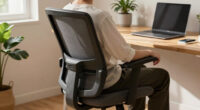
ergonomic office chair with adjustable lumbar support
As an affiliate, we earn on qualifying purchases.
As an affiliate, we earn on qualifying purchases.
How to Pick an Ergonomic Chair That Fits You Perfectly
- Measure your height and sit-to-heel length. Look for chairs with adjustable seat height and depth.
- Test lumbar support. It should fit snugly into your lower back’s curve without forcing you into an unnatural position.
- Check armrest adjustability. Your arms should rest comfortably, elbows at 90 degrees, with shoulders relaxed.
- Ensure the seat cushion is firm yet plush, with breathable fabric. It should distribute pressure evenly without feeling hard or soft.
- Spend a few minutes reclining and tilting the chair. The tension should feel customizable and smooth.
Think of it like trying on shoes — you want a fit that feels natural from the start. Visiting a showroom or trying different models can give you a clear sense of what works.
Beyond just fitting your body, consider how the chair’s adjustability impacts your workflow. A highly adjustable chair allows you to switch positions throughout the day, reducing stiffness and promoting movement, which is vital for long-term comfort and health. Remember, a good fit isn’t just about size but how the chair supports your natural movements and reduces strain. The tradeoff often lies between cost and customization—more adjustable models tend to be pricier but offer better long-term benefits, especially if you have specific needs or pre-existing discomforts. Investing time in testing different options ensures you find a chair that complements your body and work style, ultimately preventing discomfort and boosting productivity over time.
Compare Top Features of Popular Ergonomic Chairs
| Feature | Model A | Model B | Model C |
|---|---|---|---|
| Adjustable Seat Height | 16-20 inches | 17-22 inches | 15-21 inches |
| Lumbar Support | Built-in, adjustable | Removable lumbar pillow | Integrated adjustable support |
| Breathable Material | Mesh fabric | Mesh + foam combo | High-elastic mesh |
| Armrest Adjustability | Multi-directional | Height only | Fixed |
| Price Range | $350 | $450 | $300 |
Choosing between models depends on your priorities: full adjustability, budget, or specific support needs. For example, if you sit all day and need lots of customization, Model B’s multi-directional armrests and lumbar support might be worth the extra cost. However, it’s also important to weigh the tradeoffs—more adjustable features often come with higher prices and sometimes increased complexity, which can be less intuitive for some users. Conversely, simpler models may lack the nuanced support needed for longer hours or specific health concerns but can be more straightforward and affordable. Evaluating your specific needs against these tradeoffs ensures you select a chair that provides the best balance of comfort, support, and value, ultimately enhancing your daily productivity and well-being.
What Are the Latest Innovations Making Chairs More Comfortable?
Modern ergonomic chairs are smarter and more adaptable than ever. Many now include adjustable lumbar supports that contour to your back, and some feature **sensors** that monitor your posture and give gentle alerts to straighten up.
For instance, some models incorporate **cooling mesh fabrics** and gel-infused cushions to keep you comfortable in warm environments. Others are designed with **dynamic movement** in mind, encouraging micro-movements to reduce stiffness and improve circulation.
Eco-friendly materials also take center stage — recycled plastics, sustainable fabrics, and low-impact manufacturing are shaping a greener future for office furniture. Imagine a chair that not only supports your body but also supports the planet.
These innovations matter because they directly influence your comfort, health, and environmental footprint. Features like sensors and cooling fabrics can prevent overheating and postural fatigue, which are common issues in long work sessions. The tradeoff often involves higher costs and the need for maintenance or updates, but the long-term benefits—improved comfort, better posture, and sustainability—make these investments worthwhile. Embracing these innovations means choosing chairs that adapt to your body’s needs and contribute positively to the environment, aligning comfort with responsibility.
How Often Should You Replace Your Office Chair and Why?
On average, a good ergonomic chair lasts around **7 to 10 years** with proper care. After that, foam padding can flatten, and adjustable parts may wear out or become less effective.
For example, if your chair’s lumbar support feels less firm or the wheels don’t roll smoothly, it’s probably time for a replacement. Regularly inspecting your chair helps catch issues early, preventing discomfort or injury.
Investing in a quality chair and maintaining it—like cleaning the fabric and tightening screws—extends its lifespan. Remember, a chair is an investment in your health and productivity. However, even with proper maintenance, materials degrade over time, and technology becomes outdated. Recognizing signs of wear—such as creaking, unstable armrests, or uneven support—is crucial. When these issues begin to affect your comfort or posture, it’s a signal that replacement is necessary. Choosing to replace your chair at the right time ensures ongoing support, reduces risk of injury, and maintains your health and productivity in the long run.
Can an Ergonomic Chair Help with Back and Neck Pain?
Yes, a well-designed ergonomic chair can drastically reduce back and neck pain. It promotes proper spinal alignment, supporting the natural curves of your back and keeping your neck in a neutral position.
For example, someone who previously slouched at their desk might find relief by switching to a chair with adjustable lumbar and headrest support. Proper support prevents strain from holding an awkward posture for hours.
However, it’s also essential to pair your chair with good desk setup—monitor at eye level and keyboard at elbow height—to maximize benefits.
Understanding that ergonomic support is not a one-size-fits-all solution is important. The effectiveness depends on correct adjustment and consistent use. A poorly adjusted chair, even a high-end one, can fail to alleviate pain or might even exacerbate issues. The tradeoff includes the time and effort needed to optimize your setup and the potential costs of high-quality ergonomic features. When properly used, these chairs can significantly reduce the strain that causes back and neck pain, leading to improved comfort and long-term health outcomes.
Frequently Asked Questions
What features should I look for in an ergonomic office chair?
Focus on adjustable seat height, lumbar support, armrest positioning, and breathable materials. These features allow you to customize the chair to your body and reduce strain during long hours.
Are expensive chairs worth the extra cost?
Often, higher-priced ergonomic chairs offer more adjustability, better materials, and longer durability. If you sit for many hours daily, investing in a quality chair can improve comfort and prevent health issues.
How do I adjust my office chair for maximum comfort?
Set the seat height so your feet rest flat on the floor, with knees at a 90-degree angle. Adjust lumbar support to fit your lower back’s natural curve, and position armrests so shoulders stay relaxed. Spend a few minutes fine-tuning each setting.
Can an ergonomic chair help with back pain?
Yes, when properly adjusted, ergonomic chairs support spinal alignment and relieve pressure points, reducing back pain. But pairing the chair with correct desk height and monitor placement maximizes benefits.
Are there ergonomic chairs suitable for small spaces or home offices?
Absolutely. Many brands offer compact, foldable, or adjustable models designed for limited spaces. Look for chairs with a smaller footprint but full adjustability to stay comfortable without crowding your room.
Conclusion
Your chair isn’t just a piece of furniture — it’s the foundation of your daily comfort and health. Choosing one with the right features, recent innovations, and a fit that works for you can transform your workday from stiff and sore to supported and energized.
Think of your new chair as a long-term investment in your well-being. When you find that perfect fit, sitting becomes less of a chore and more of a relief — a simple change with powerful results.
Halloween Picks
halloween
As an affiliate, we earn on qualifying purchases.