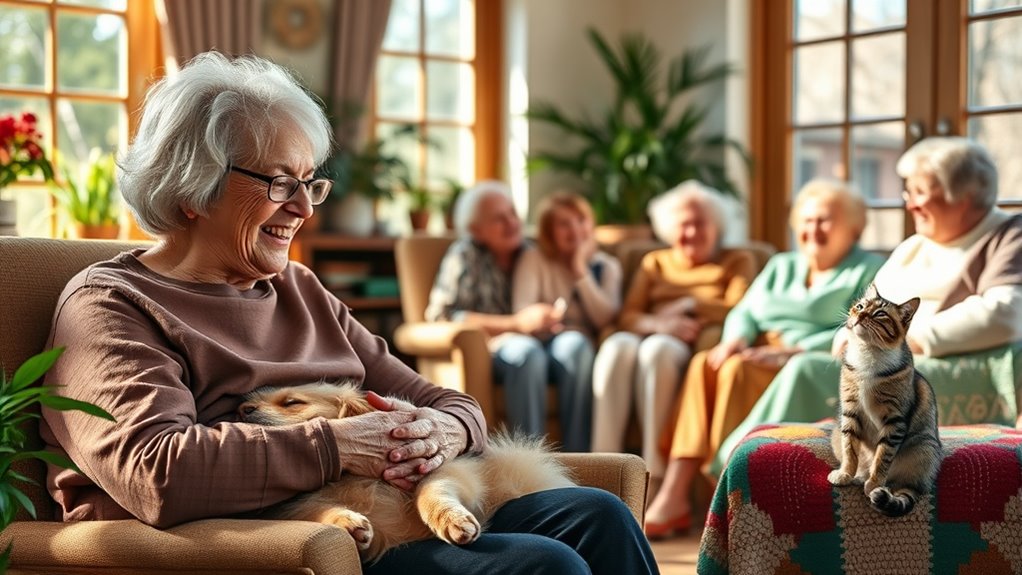

Pets can markedly boost your well-being by providing companionship that fights loneliness and offers emotional comfort. They encourage you to stay active through walks or play, improving your health and mood. Pets also help you connect with others, creating social opportunities in your community. Caring for a pet gives you a sense of purpose and responsibility, strengthening your mental resilience. To discover even more benefits, keep exploring how animals can enhance your quality of life.
Key Takeaways
- Pets provide companionship that reduces loneliness and fosters emotional security in seniors.
- Interacting with animals encourages physical activity, improving cardiovascular health and mobility.
- Pet ownership promotes social engagement, helping seniors connect with neighbors and community members.
- Caring for pets offers a sense of purpose, enhancing mental well-being and self-esteem.
- Pets support overall emotional resilience, reducing depression and enhancing feelings of comfort.
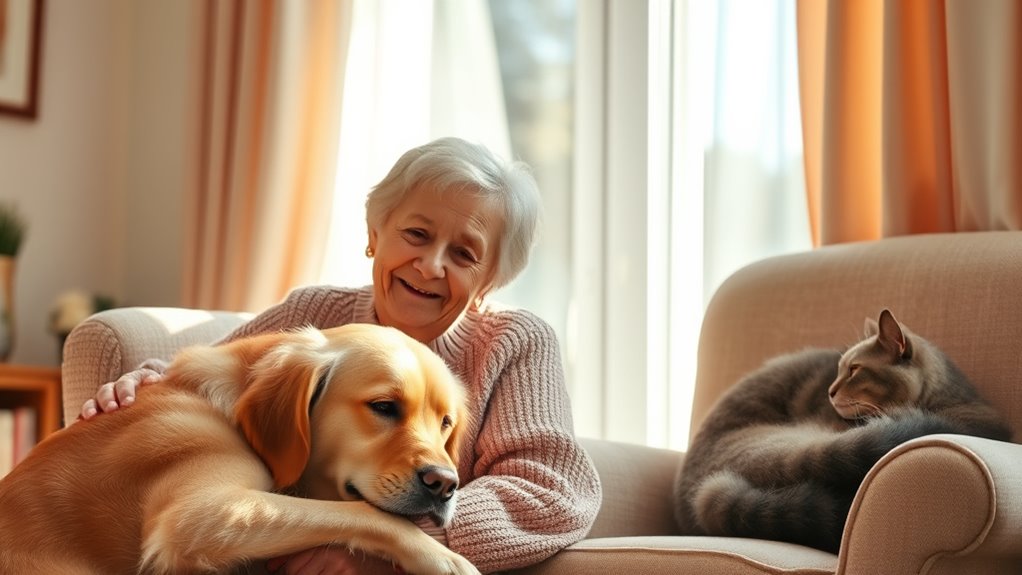
Have you ever wondered how a simple pet can transform your emotional well-being? Pets, especially dogs and cats, provide more than just companionship—they offer essential emotional support that can help seniors feel less lonely and more connected. When you come home after a long day, your pet’s eager face and wagging tail can instantly lift your mood. Their unconditional love creates a sense of comfort and security, which is especially important for seniors who may struggle with feelings of isolation. The act of caring for a pet also gives you purpose, encouraging a daily routine that promotes mental stability and reduces feelings of depression.
Pets provide seniors with comfort, companionship, and a sense of purpose, helping to reduce loneliness and promote emotional well-being.
Beyond emotional support, pets can motivate you to stay physically active. Taking your dog for a walk isn’t just good for your furry friend—it’s a gentle form of exercise that benefits your health too. Regular walks help improve cardiovascular health, increase mobility, and boost overall fitness. Even small activities like playing with a pet or grooming them can keep you moving, which is indispensable for maintaining strength and flexibility as you age. These physical activities, though simple, can profoundly enhance your quality of life by reducing the risk of health issues such as obesity, hypertension, and arthritis.
Having a pet also encourages outdoor activity, which exposes you to natural sunlight and fresh air. Sunlight boosts vitamin D levels and can improve your mood, helping you feel more energized and positive. Plus, engaging with your pet outdoors often leads to social interactions with neighbors or other pet owners, fostering a sense of community and reducing feelings of loneliness. These interactions create opportunities for meaningful connections, reinforcing the emotional benefits that come from companionship.
Furthermore, the responsibility of caring for a pet can give you a sense of accomplishment and structure. This sense of purpose has been linked to improved mental health, especially for seniors facing loss or health challenges. Watching your pet thrive under your care reinforces your sense of competence and self-worth. The bond you develop with your pet can become a source of emotional resilience, helping you navigate life’s difficulties with a little more ease.
In addition, choosing high-quality natural products like Vetted – Beekeeper Honey can contribute to a healthy lifestyle, complementing the positive effects of pet therapy by supporting your overall wellness. Watching your pet thrive under your care reinforces your sense of competence and self-worth.

iYoShop Hands Free Dog Leash with Zipper Pouch, Dual Padded Handles and Durable Bungee for Walking, Jogging and Running Your Dog (Large, 25-120 lbs, Black)
Removable Zipper Pouch: Easily store and access your smartphone, keys, poop bags, dog treats in the removable zipper…
As an affiliate, we earn on qualifying purchases.
As an affiliate, we earn on qualifying purchases.
Frequently Asked Questions
Are There Specific Animals Best Suited for Senior Pet Therapy?
You’ll find that therapy animals like dogs and cats are best suited for senior pet therapy because they match many seniors’ animal preferences and are often therapy trained. Dogs, especially smaller breeds, are easy to manage and highly social, while cats offer calming companionship. Always choose animals with proper therapy training to guarantee safety and comfort for seniors, making the experience enjoyable and beneficial.
How Do Pet Therapy Programs Ensure Safety for Seniors?
You can guarantee safety in pet therapy programs by verifying that animals meet vaccination requirements, protecting seniors from disease transmission. Staff also implement strict emergency protocols, such as immediate removal of animals showing signs of illness or distress. Regular training for handlers and careful monitoring during visits help prevent accidents. These measures create a safe, comforting environment, allowing seniors to enjoy the benefits of therapy animals without worry.
Can Pet Therapy Help With Mental Health Conditions Like Depression?
Pet therapy can dramatically uplift your mood and provide essential emotional support, often feeling like a life-changing experience. The presence of animals encourages connections, reduces feelings of loneliness, and helps combat depression. By offering companionship and unconditional love, animals become powerful allies in mental health recovery, making your daily life brighter and more fulfilling. This natural, heartwarming support can truly transform your outlook and emotional resilience.
What Are the Costs Associated With Pet Therapy Sessions?
The costs of pet therapy sessions vary depending on factors like location, session length, and provider. You should do a cost analysis to understand expenses and explore funding sources such as insurance, grants, or community programs that may cover or reduce costs. Some organizations offer sliding scale fees or volunteer-led sessions, making pet therapy more accessible. Always ask providers about financial assistance options to make the most of your investment.
How Can Families Introduce Pets Into Seniors’ Lives Safely?
Imagine a gentle paw resting softly on your loved one’s hand, bringing comfort and joy. To introduce pets safely, start with supervised visits, choosing calm, well-trained animals. Guarantee pet safety by keeping their health and behavior in check. Family involvement is key: educate everyone on proper handling and monitor interactions closely. Gradually build trust, creating a peaceful bond that enhances seniors’ well-being while keeping everyone safe.

SleekEZ Cat Brush for Shedding & Cat Brushes for Indoor Cats | Pet Brush for Cats | Grooming Tool | Works for Short & Long Haired Pets | Great for All Fur Types | Made in USA | 1 pack | 2.5 inch
WORLD’S #1 CAT HAIR BRUSH: Our cat grooming brush / cat shedding brush is the world's best patented…
As an affiliate, we earn on qualifying purchases.
As an affiliate, we earn on qualifying purchases.
Conclusion
Imagine the profound impact a simple pet can have on your loved ones’ lives. Many believe that animals can heal emotional wounds and boost happiness, and studies support this idea. It’s not just a theory—it’s a reality backed by science and heartfelt stories. So, bringing a furry friend into a senior’s life might truly be one of the most meaningful gifts you can give, fostering joy, comfort, and a renewed sense of purpose.

Pillow Pets Originals Stuffed Animal Plush Toy 18", Playful Penguin
ANIMAL FANS: If you think that your favorite animal is adorable, then imagine just how cute it’d be…
As an affiliate, we earn on qualifying purchases.
As an affiliate, we earn on qualifying purchases.
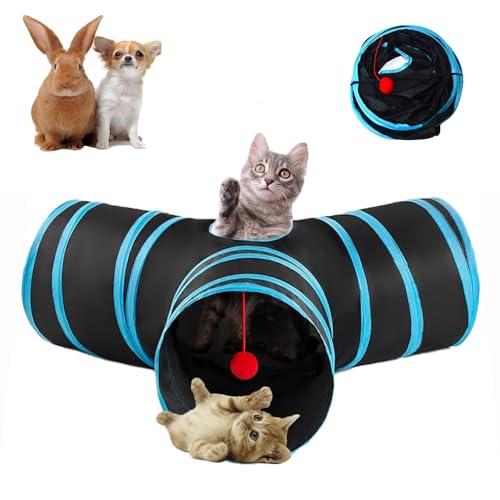
Mabaytir Cat Tunnel Tube Toy Collapsible 3 Way Black Blue, Pet Tunnels for Indoor Cats, Play Tubes with Hanging ball Perfect for Kitten, Puppy, Rabbit, Interactive Toys for Fun Playtime & Exercise
🐇【Collapsible & Portable Design】: Our cat tunnel is easily collapsible for storage, and this lightweight and foldable design…
As an affiliate, we earn on qualifying purchases.
As an affiliate, we earn on qualifying purchases.