If you notice persistent ringing in your ears, difficulty understanding conversations, or find yourself turning up device volume often, it’s time to get checked. Friends or family might also notice you ask people to repeat themselves or seem to have trouble in noisy environments. Early detection helps manage any issues and prevents further hearing loss. Keep in mind, knowing more about these signs can help you stay proactive—so continue exploring to learn how to protect your hearing health.
Key Takeaways
- Notice persistent ringing, buzzing, or difficulty understanding speech; these signs warrant a professional hearing evaluation.
- Seek help if you frequently turn up device volume or ask others to repeat themselves.
- Regular checkups are recommended for those exposed to loud noises or experiencing age-related hearing decline.
- Early consultation with an audiologist can prevent worsening hearing loss and manage tinnitus effectively.
- Experience social withdrawal or communication difficulties; these symptoms indicate the need for a hearing assessment.
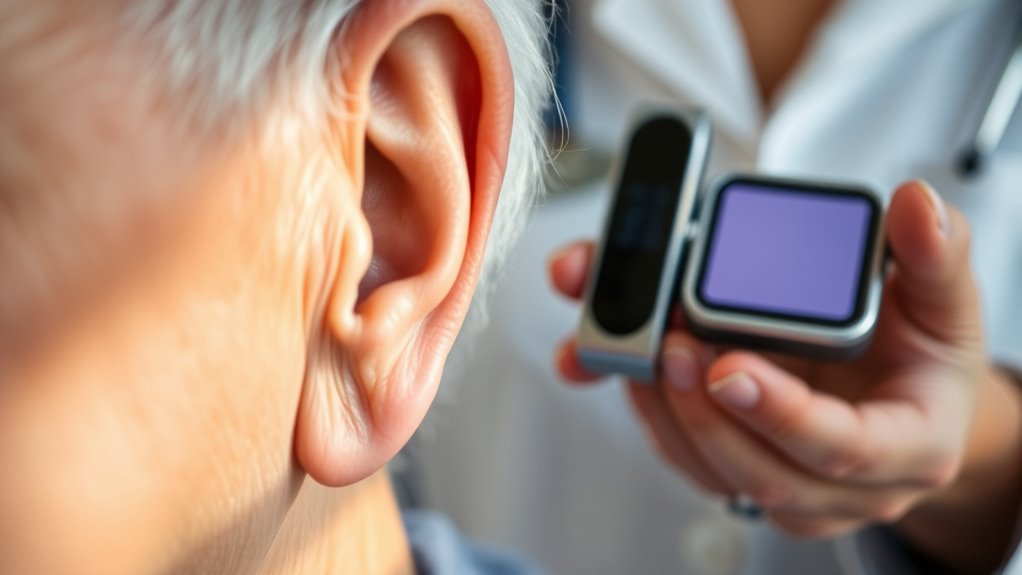
Have you ever thought about how essential your hearing is to everyday life? Your ability to communicate, enjoy music, stay aware of your surroundings, and even your safety depends on healthy hearing. But many people overlook early signs of hearing issues until they become more serious. Recognizing when to get checked can make a critical difference in maintaining your quality of life. If you notice persistent ringing or buzzing in your ears, known as tinnitus, it’s time to consult a professional. Tinnitus management can be complex, but early intervention can help you find relief and prevent it from worsening. Modern hearing aid technology has advanced remarkably, offering more than just amplification. Today’s devices can incorporate features that help with tinnitus management, such as sound therapy options that mask or reduce the perception of ringing. If you’re experiencing difficulty understanding conversations, especially in noisy environments, it’s a clear sign that your hearing might need evaluation. Hearing loss often develops gradually, so you might not notice it right away. However, if friends or family mention that you’re turning up the volume on your devices or asking people to repeat themselves frequently, those are red flags. It’s essential to schedule a hearing test promptly because early detection can allow for more effective treatment options. Regular checkups are especially important if you’ve been exposed to loud noises through work, hobbies, or concerts. Over time, loud environments can damage delicate hair cells in your inner ear, leading to permanent hearing loss. Preventative care, including using hearing protection and getting routine evaluations, can help preserve your hearing health. Additionally, diverse hearing loss causes such as age-related degeneration, injury, or exposure to loud noise, highlight the importance of proactive management. If you’re diagnosed with hearing impairment, various solutions are available today, from hearing aids to assistive listening devices, many of which integrate the latest hearing aid technology. These devices are designed to adapt to your environment, filter out background noise, and improve speech clarity. They can also be programmed to help manage tinnitus, providing relief from constant ringing. Don’t wait until hearing loss impacts your daily life or causes social withdrawal. The sooner you seek professional guidance, the better your chances of maintaining auditory health. Remember, your hearing is an important sense, and proactive care is key. If you notice any changes, schedule an appointment with an audiologist. Early intervention not only preserves your hearing but also enhances your overall well-being, ensuring you stay connected to the world around you.

Novilla 10 Inch King Mattress, Memory Foam Mattress King with Breathable Comfort Layer & High-Density Base Foam for Pressure Relief & Support, CertiPUR-US Certified for a Cool & Refreshed Sleep
【Stress-Relieving System】 The king memory foam mattress combines a 2-layer foam system for balanced comfort: natural fiber infused...
As an affiliate, we earn on qualifying purchases.
Frequently Asked Questions
Can Hearing Loss Be Reversed With Treatment?
Hearing loss can sometimes be reversed or improved with treatments like hearing rehabilitation or cochlear implants, depending on the cause. If you experience hearing difficulties, early intervention is key. While hearing aids help amplify sounds, cochlear implants can restore hearing for severe cases. You should see a specialist promptly to determine the best treatment plan, as timely care can considerably improve your hearing health and quality of life.
How Often Should I Get a Hearing Test?
You should get a hearing test at least once every year, especially if you’re exposed to loud noises regularly. Regular hearing screenings are essential for hearing conservation and catching early signs of loss. If you notice any changes in your hearing or experience discomfort, schedule a test sooner. Early detection allows for better management and treatment options, helping you preserve your hearing health and prevent further damage.
Are There Any Risks With Hearing Aids?
There are minimal risks with hearing aids if you maintain them properly. Poor hearing aid maintenance can lead to discomfort or infections, so clean and store them as recommended. While hearing aid costs vary, investing in quality devices reduces the risk of breakdowns. Be sure to have regular check-ups to ensure your hearing aids function well, and consult your audiologist if you experience discomfort or sound issues to avoid potential problems.
What Causes Sudden Hearing Loss?
Sudden hearing loss can happen due to ear infections or acoustic trauma. Ear infections cause inflammation that blocks sound, while acoustic trauma results from exposure to loud noises, damaging the inner ear’s hair cells. You might experience a rapid decline in hearing ability, often accompanied by dizziness or ringing. If this occurs, it’s vital to seek prompt medical attention to determine the cause and start appropriate treatment, preserving your hearing health.
Can Hearing Loss Affect Mental Health?
Hearing loss can substantially affect your mental health, leading to emotional well-being issues like frustration, loneliness, or depression. It also increases the risk of cognitive decline because your brain struggles to process sounds, which can impair memory and thinking skills. When you don’t address hearing problems early, these mental health effects may worsen. Regular checkups help preserve both your hearing and overall mental well-being.
![King Mattress, [Enhanced] 14 Inch King Size Hybrid Mattress in a box with Gel Memory Foam & Independent Pocket Springs, Medium Firm, Pressure Relief, Strong Edge Support, 365-Night Trial, CertiPUR-US](https://m.media-amazon.com/images/I/41LzI5SAL8L._SL500_.jpg)
King Mattress, [Enhanced] 14 Inch King Size Hybrid Mattress in a box with Gel Memory Foam & Independent Pocket Springs, Medium Firm, Pressure Relief, Strong Edge Support, 365-Night Trial, CertiPUR-US
Deep Sleep Overnight: King mattress has advanced support and comfort system, it combines the advantages of gel memory...
As an affiliate, we earn on qualifying purchases.
Conclusion
If you notice any signs of hearing loss, don’t ignore them—your hearing is the gateway to your world, and neglecting it could be like shutting a window to life’s most beautiful sounds. Regular checkups can catch issues early, saving you from a future where silence feels like a prison. Trust your instincts and seek help when needed; your ears are too precious to leave silent. Act now, because your hearing health is worth fighting for!
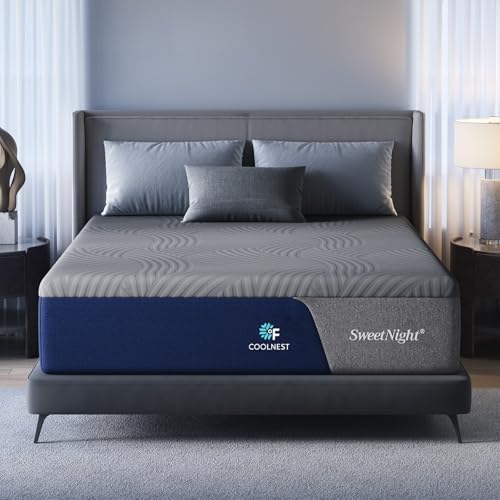
Sweetnight CoolNest 14 Inch King Size Mattress, Cooling King Memory Foam Mattress for Cool Night Sleep, 5-Zone Ergo Support for Pressure Relief, Medium, CertiPUR-US Certified
CoolNest System for a Cooler Night - The CoolNest 14 inch king size mattress features our innovative CoolNest...
As an affiliate, we earn on qualifying purchases.

LETMOON 14 Inch King Size Mattress, Hybrid Memory Foam Mattress, Medium Firm for Side & Back Sleepers, Motion Isolation, Reinforced Edges, Targeted Back Support, No Fiberglass, Bed in a Box
Hybrid Comfort for All Sleep Positions: The Letmoon 80"×76" king hybrid mattress blends memory foam and supportive layers...
As an affiliate, we earn on qualifying purchases.