Fiber plays a vital role in your digestive health by supporting smooth functioning and promoting regular bowel movements. It adds bulk to your stool, making digestion more efficient, and feeds beneficial gut bacteria to keep your microbiome balanced. Including a variety of fiber-rich foods can boost enzyme activity, improve nutrient absorption, and reduce discomfort like bloating or constipation. Keep exploring to discover more ways fiber can help you achieve peak digestion and overall well-being.
Key Takeaways
- Fiber supports regular bowel movements and prevents constipation by adding bulk to stool.
- Soluble fiber forms a gel that feeds beneficial gut bacteria, promoting a healthy microbiome.
- Insoluble fiber accelerates transit time, aiding digestion and reducing bloating and discomfort.
- Fiber stimulates digestive enzyme production, enhancing food breakdown and nutrient absorption.
- A high-fiber diet improves overall gut health, immune function, and digestive efficiency.
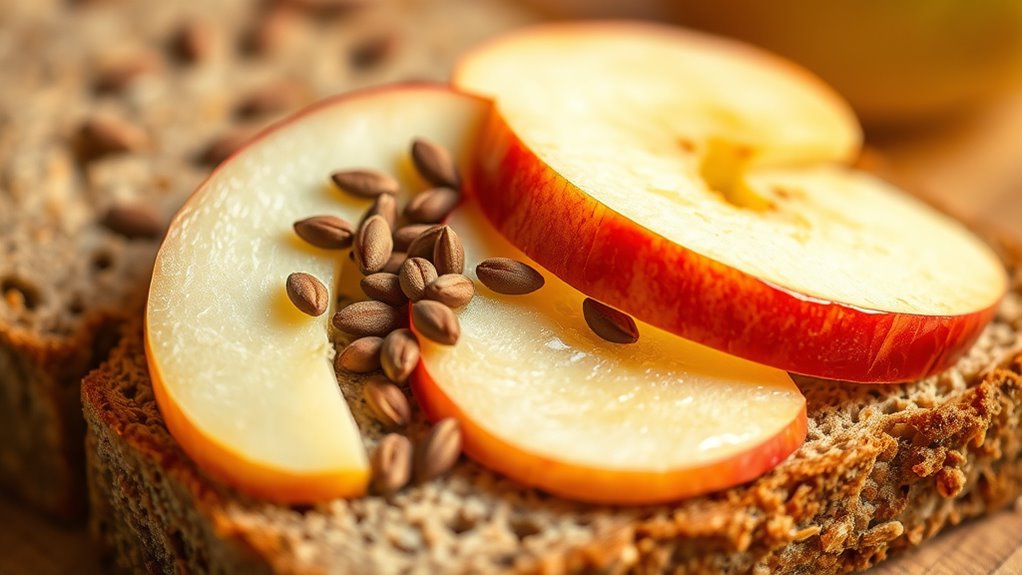
Have you ever wondered how fiber impacts your digestive health? The truth is, fiber plays a crucial role in keeping your digestive system functioning smoothly. When you include fiber sources like fruits, vegetables, whole grains, and legumes in your diet, you provide your body with the tools it needs to support healthy digestion. Fiber isn’t just about adding bulk to your stool; it also interacts with digestive enzymes, which are essential for breaking down food. These enzymes, produced by your body, help digest carbohydrates, proteins, and fats, but they need the right environment to work effectively. Eating enough fiber helps create that environment by promoting regular bowel movements and fostering a healthy gut microbiome. Incorporating smart filtration in your diet can also support overall gut health by removing airborne pollutants that may interfere with digestion.
There are two main types of fiber—soluble and insoluble—that serve different purposes in your digestive health. Soluble fiber dissolves in water, forming a gel-like substance that slows digestion and helps regulate blood sugar levels. You’ll find soluble fiber in oats, barley, apples, and beans. It also acts as a prebiotic, feeding the beneficial bacteria in your gut, which in turn produce short-chain fatty acids that nourish your colon and support immune function. Insoluble fiber, found in whole wheat, nuts, and vegetables like carrots and celery, adds bulk to your stool and accelerates transit time through your digestive tract. This helps prevent constipation and maintains bowel regularity.
By consuming a variety of fiber sources, you’re ensuring that your digestive enzymes can work optimally. Fiber acts as a natural stimulant for these enzymes, encouraging their production and activity. When your digestive enzymes function efficiently, food is broken down more completely, absorption of nutrients improves, and you reduce the likelihood of issues like bloating, gas, or indigestion. Moreover, fiber helps prevent the overgrowth of harmful bacteria by balancing your gut flora, which is vital for overall digestive health.
Incorporating enough fiber into your diet doesn’t mean just eating more fiber-rich foods; it also involves understanding how fiber interacts with your digestive enzymes. When you eat a balanced diet rich in diverse fiber sources, you support enzyme activity and promote a healthy, efficient digestive process. Remember, too much suddenly can cause discomfort, so increase your fiber intake gradually and drink plenty of water. This approach ensures your digestive system adapts smoothly, keeps your bowel movements regular, and enhances nutrient absorption. Overall, paying attention to your fiber sources and supporting your digestive enzymes is a simple, effective way to improve your digestive health and feel better every day.

WLIVE 7 Drawer Dresser TV Stand, Dressers for Bedroom, Fabric Storage Tower, Hallway, Entryway, Closets, Sturdy Steel Frame, Wood Top, Easy Pull Handle, White
Roomy Storage Space: The dresser features 7 foldable deep drawers, which provide endless organizational possibilities and protect your...
As an affiliate, we earn on qualifying purchases.
Frequently Asked Questions
Can Fiber Help With Specific Digestive Disorders?
Yes, fiber can help with specific digestive disorders. It boosts fiber and gut flora, which support overall digestive health. For conditions like constipation, fiber improves fiber and bowel movement, making stools softer and easier to pass. However, for some disorders like irritable bowel syndrome, you might need to adjust fiber intake carefully. Always consult your healthcare provider to determine the best type and amount of fiber for your condition.
Are There Any Risks Associated With High Fiber Intake?
Imagine your digestive system as a busy highway; too much fiber is like adding excessive traffic. You might encounter fiber toxicity, causing discomfort or nutrient absorption issues, or even gastrointestinal blockages that clog your system. While fiber is essential, overdoing it risks these problems. So, balance your intake carefully, listen to your body’s signals, and consult a healthcare professional if you notice any warning signs.
How Does Fiber Affect Gut Bacteria?
Fiber positively affects your gut bacteria by supporting microbial diversity and fueling fermentation processes. When you eat fiber, it becomes food for beneficial bacteria, helping them thrive. This promotes a balanced microbiome and enhances overall gut health. As fermentation occurs, short-chain fatty acids are produced, which can strengthen your gut lining and boost immunity. So, including fiber-rich foods in your diet directly benefits your gut bacteria and overall well-being.
Is Soluble or Insoluble Fiber Better for Digestion?
Both soluble and insoluble fibers benefit your digestion, but they do so differently. Soluble fiber benefits your gut by forming a gel-like substance that helps regulate blood sugar and cholesterol, while insoluble fiber effects promote regular bowel movements and add bulk to stool. To optimize digestion, include a mix of both types in your diet, as they complement each other and support overall digestive health.
Can Fiber Supplements Replace Dietary Fiber?
Fiber supplements can’t fully replace dietary fiber because they don’t provide the same range of nutrients and benefits. While supplements can support fiber intake, they may affect fiber absorption differently, and their effectiveness depends on proper supplement timing. To optimize digestion, aim to include a variety of fiber-rich foods, and use supplements as a complement rather than a substitute for whole foods.

WLIVE Tall Dresser for Bedroom with 12 Drawers, Dressers & Chests of Drawers, Fabric Dressers for Closet, Storage Dresser Organizer with Steel Frame, Wood Top, Rustic Brown Wood Grain Print
【🏠Ample Storage Drawer Tower】Measures 11.81"D x 34.29"W x 41.77"H, our fabric dresser is equipped with 12 detachable fabric...
As an affiliate, we earn on qualifying purchases.
Conclusion
You might think fiber is just about avoiding constipation, but research shows it could also regulate your gut bacteria, boosting overall health. Some theories suggest that a high-fiber diet might even reduce inflammation and lower disease risk. While more studies are needed, it’s clear that including enough fiber in your diet supports a happy, healthy digestive system. So, next time you choose your meals, remember fiber’s powerful role in keeping your gut in check.

WLIVE Fabric Dresser for Bedroom, 5-Drawer Tall Dressers, Storage Organizer with Fabric Bins, Wood Top, Sturdy Steel Frame, Chest of Drawers for Closet, Hallway, Rustic Brown Wood Grain Print
【Excellent Storage Capacity】Bedroom dresser with 5 drawers provides plenty of storage space, which can classify your messy items...
As an affiliate, we earn on qualifying purchases.

OLIXIS Dresser for Bedroom with 5 Drawers, Wide Chest of Drawers, Fabric Bedroom Dresser with Drawer Organizers, Storage Organizer Unit with Fabric Bins for Closet, Living Room, Hallway, Classic White
【Multifunction Cabinet】Just place this space-saver drawer in the closet as bedroom furniture to offer a home for workout...
As an affiliate, we earn on qualifying purchases.