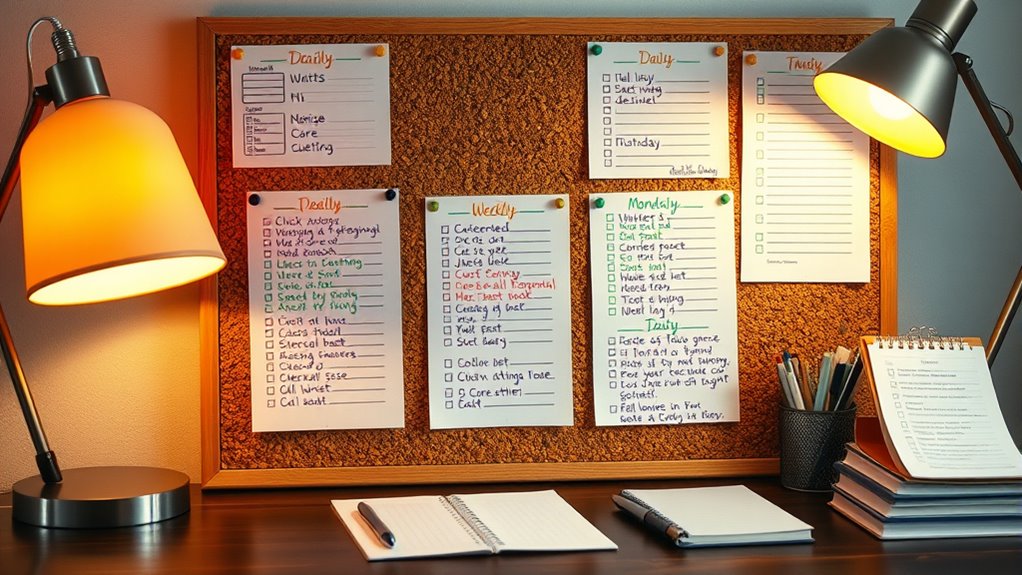

Using checklists for daily, weekly, and monthly care helps you stay organized and make certain important tasks aren’t overlooked. You can verify medication schedules, check for side effects, and clear hazards daily. Weekly, you’ll review supplies, test safety devices, and inspect for fall risks. Monthly, it’s time for deep cleaning, updating safety features, and reviewing care plans. Keep following along to discover practical tips that make caregiving more manageable and effective.
Key Takeaways
- Daily checklists ensure timely medication intake, safety checks, and monitoring for side effects or adverse reactions.
- Weekly routines focus on refilling prescriptions, inspecting safety devices, and identifying fall hazards.
- Monthly tasks include deep cleaning, reviewing medication adherence, and updating safety improvements.
- Consistent use of checklists helps prevent errors, maintain organization, and promote ongoing safety at home.
- Structured routines simplify caregiving, reduce oversight, and support proactive health and safety management.
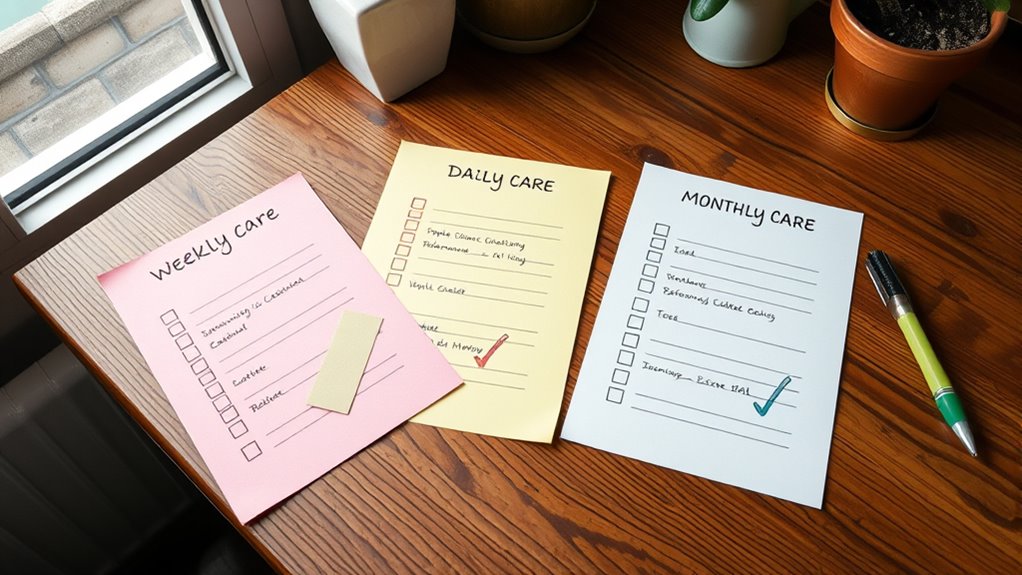
Using checklists for care can streamline your daily routines and make sure nothing gets overlooked. When it comes to managing your loved one’s well-being, having clear, organized lists helps you stay on top of essential tasks without feeling overwhelmed. This is especially true for medication management and maintaining home safety, both of which are critical to guaranteeing a safe and healthy environment.
Daily checklists can include simple yet crucial tasks like verifying medication schedules, checking for side effects, and ensuring medications are stored properly. You can also add reminders to prepare or restock prescriptions, which helps prevent missed doses or expired medicines. By routinely reviewing medication routines, you reduce the risk of errors and promote better health outcomes. Alongside medication management, daily safety checks are equally important. For example, you might create a list to ensure walkways are clear of hazards, appliances are turned off when not in use, and emergency numbers are within easy reach. These small daily habits reinforce home safety and help prevent accidents.
Daily checklists help prevent medication errors and promote home safety through simple, consistent routines.
Weekly checklists can focus on more extensive tasks that support ongoing health and safety. For instance, you could schedule a thorough review of medication supplies, ensuring prescriptions are refilled on time and expiration dates are checked. Conducting a home safety inspection weekly might involve testing smoke alarms, checking that handrails are secure, and inspecting for potential fall hazards like loose rugs or clutter. Keeping a routine for these tasks helps catch issues early and maintains a safe living space. Additionally, weekly routines can include organizing medical documents, updating care plans, or scheduling appointments, so everything stays current and accessible.
Monthly checklists allow you to take a broader view of care, helping to identify patterns or recurring issues. You might include tasks such as deep cleaning and inspecting emergency preparedness kits, ensuring all safety devices are functioning correctly. Reviewing medication schedules with your loved one to confirm adherence is also essential, especially as health conditions evolve. During this time, you can evaluate home safety improvements, like installing grab bars or ensuring lighting is adequate in all areas. Monthly reviews also provide an opportunity to assess the effectiveness of current routines and make adjustments to improve overall safety and health management. Regularly updating your care routines helps ensure you stay proactive and adapt to changing needs, promoting long-term safety and well-being. Keeping a detailed record of these tasks ensures you’re proactive rather than reactive, which is key to providing consistent, quality care.
In short, checklists for daily, weekly, and monthly care create a structured approach that simplifies managing medications and maintaining a safe home environment. They help you stay organized, prevent oversights, and foster a sense of control and peace of mind. By integrating these routines into your caregiving, you ensure your loved one’s safety and well-being are prioritized, giving everyone involved confidence and clarity in daily care.
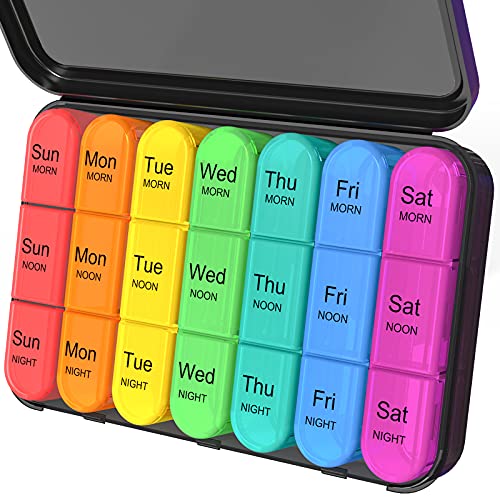
Daviky Pill Organizer 3 Times a Day, Daily Pill Box 7 Day, Weekly Cases Medicine Organizers to Hold Vitamins and Medication
Carry More but Portable – Overall 8''x 5''x 1.4'' and 4.8" x 1.2" x 1'' for each compartment,…
As an affiliate, we earn on qualifying purchases.
As an affiliate, we earn on qualifying purchases.
Frequently Asked Questions
How Do I Customize Checklists for Individual Needs?
You can customize checklists for individual needs by applying personalization strategies and customization techniques. Start by evaluating specific routines and preferences, then tailor tasks accordingly. Use flexible sections to add or remove items as needed, and consider color-coding or symbols for easy identification. Regularly review and update your checklists to reflect changing needs, ensuring they remain relevant and effective for each person’s unique care requirements.
Can Digital Checklists Replace Paper Ones Effectively?
Digital checklists can effectively replace paper ones when you leverage digital organization and checklist automation. They’re easy to update, sync across devices, and set reminders, ensuring you never miss a task. Plus, automation helps streamline your routines by automatically updating completed items and scheduling recurring tasks. With these features, digital checklists boost efficiency, reduce clutter, and keep your care routines consistent, making them a reliable alternative to paper checklists.
What Are the Best Tools for Managing Care Checklists?
You should use digital tools like CareSmartz360, TCare, or Google Keep to manage your care routine and safety protocols efficiently. These platforms let you create customizable checklists, set reminders, and track progress, ensuring nothing gets missed. They’re accessible on your phone or tablet, making it easy to stay organized and maintain consistent care, whether daily, weekly, or monthly. Digital tools streamline care management and enhance safety protocols seamlessly.
How Often Should I Review and Update the Checklists?
You should review your checklists at least once a month to guarantee they’re still relevant and effective. Regular review frequency helps you catch any outdated tasks or procedures that need updating. Make checklist updates whenever you notice changes in care routines or new requirements arise. By staying consistent with reviews and updates, you keep your care processes organized and efficient, reducing errors and ensuring quality care.
How to Ensure Consistent Use of Care Checklists?
You can’t let your care routine fall into chaos—think of your checklist consistency as the backbone of your success! To guarantee it sticks, set specific times daily, weekly, and monthly for reviews, and make it a non-negotiable part of your schedule. Use reminders and accountability partners to stay on track. When you prioritize your checklists, your care routine becomes second nature, leading to better results and peace of mind.

First Aid Only 91248 OSHA-Compliant First Aid Kit, All-Purpose 50-Person Emergency First Aid Kit for Business, Worksite, Home, and Car, 260 Pieces
OSHA-Compliant Emergency Kit: Includes supplies including bandages, gauze, butterfly closures, burn cream packets, antibiotic ointment, BZK antiseptic towelettes,…
As an affiliate, we earn on qualifying purchases.
As an affiliate, we earn on qualifying purchases.
Conclusion
By following these checklists, you’re like a skilled gardener tending to your home and loved ones. Daily, weekly, and monthly routines become your watering can and sunshine, helping everything flourish. With each task checked off, you’re planting seeds of care that grow into a lush, vibrant sanctuary. Keep nurturing these habits, and you’ll enjoy a beautifully maintained space where everything thrives—because caring for your environment is the sweetest harvest of all.

CRC Smoke Test Smoke Detector Tester, 2.5 Wt Oz, Reaches Up to 6 Feet, Checks for Obstructions or Debris which Clog Detector Vents, Aerosol Spray
CONVENIENT: Our Smoke Detector Tester sprays up to 6 feet; which allows for use while standing safely on…
As an affiliate, we earn on qualifying purchases.
As an affiliate, we earn on qualifying purchases.

Grab Bar Mounting Kit for Fiberglass Showers – One-Piece Adjustable Spacer System – Prevents Rotation & Uneven Compression – Precision Trim Fit for Stud Anchoring – Grab Bar Not Included – Made in USA
✔[BEFORE YOU ORDER — CONFIRM COMPATIBILITY]: Complete the pre-measure checklist and review the installation guide before purchasing. Confirm…
As an affiliate, we earn on qualifying purchases.
As an affiliate, we earn on qualifying purchases.