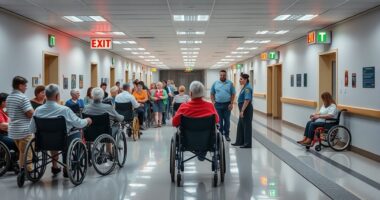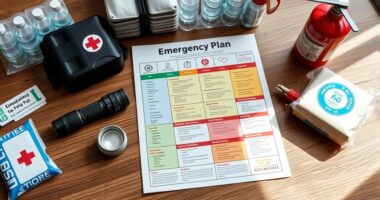

To handle emergencies confidently, you should learn basic first aid skills like staying calm, evaluating the scene, controlling bleeding with direct pressure, and helping unresponsive victims with CPR. Knowing how to treat burns, immobilize fractures, and cover wounds can prevent further harm. Understanding when to seek professional help and how to document incidents are also crucial. Mastering these essentials empowers you to act effectively. Keep exploring; there’s much more to discover to become a prepared caregiver.
Key Takeaways
- Stay calm, assess the scene quickly, and determine the emergency type to respond effectively.
- Apply direct pressure and elevate wounds to control bleeding; use tourniquets only as a last resort.
- Check airway, breathing, and pulse; perform CPR immediately if the victim is unresponsive and not breathing.
- Immobilize fractures, cool burns with water, and cover wounds with sterile dressings to prevent further injury.
- Maintain clear documentation of the incident and actions taken to assist emergency responders and ensure proper care.
Have you ever wondered what to do in an emergency before professional help arrives? Knowing the basics of first aid can make all the difference in such critical moments. Your immediate response can help stabilize a person’s condition and potentially save their life. When faced with an emergency, your first step is to stay calm and assess the situation quickly. This is part of your emergency response — identifying what’s happening and determining the best course of action. Your calmness helps prevent panic, which can worsen the situation for everyone involved.
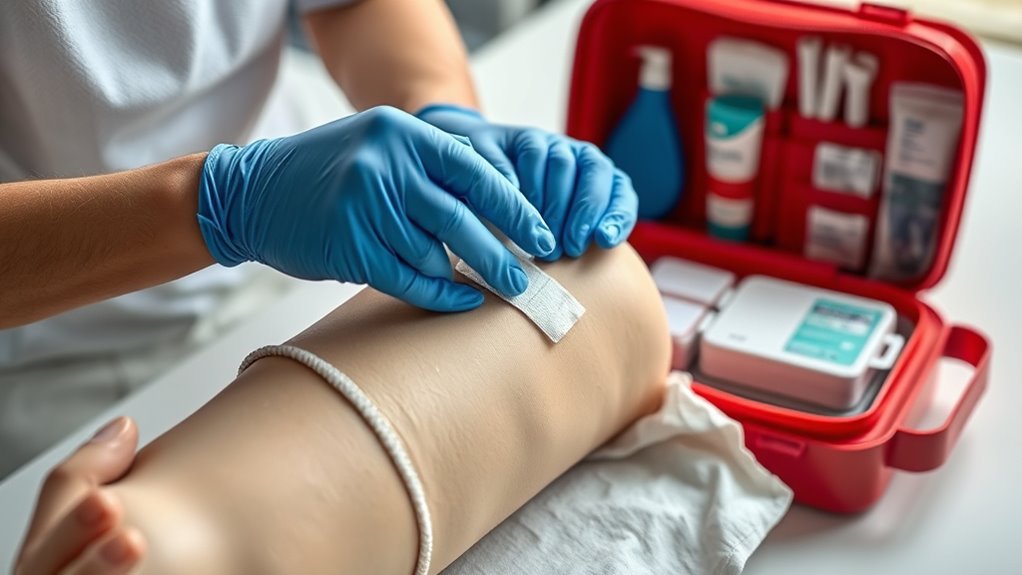
Once you’ve assessed the scene, your focus should be on providing necessary aid. If someone has a bleeding wound, effective wound management is essential. Stop the bleeding by applying direct pressure with a clean cloth or sterile bandage. Elevate the injured area if possible, as this can slow blood flow. Do not remove any embedded objects; instead, stabilize them and seek professional help immediately. Keeping the wound clean and covered prevents infection, which is fundamental in wound management. If the bleeding is severe and doesn’t stop after applying pressure, consider using a tourniquet if you’re trained to do so, but only as a last resort. Always remember, your goal is to control bleeding quickly while waiting for emergency services to arrive.
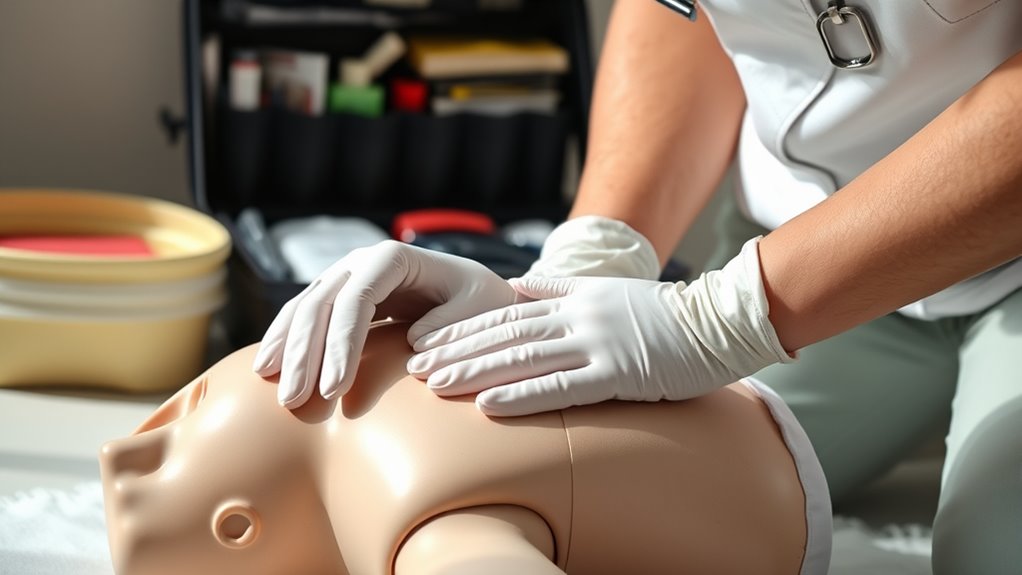
In an emergency, your response should also include checking the victim’s airway, breathing, and pulse. If they’re unresponsive and not breathing, you need to start CPR if you’re trained. Performing chest compressions and rescue breaths can maintain essential circulation until advanced help takes over. Every second counts when someone isn’t breathing, so act swiftly but carefully. For other injuries like fractures or burns, provide appropriate care — immobilize broken bones, keep burns cool with water, and cover wounds with sterile dressings. Your role is to minimize further injury and keep the victim as comfortable as possible.
Additionally, familiarity with field recording techniques can be useful in documenting the scene or injuries when appropriate, especially in complex emergencies.
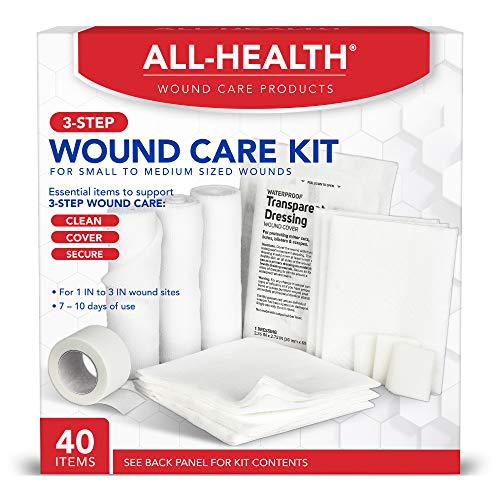
All Health Wound Care Kit & First Aid Supplies, 40 Piece | for Small to Medium Sized Wounds, Professional Use for Car, Home, Camping, Hiking and More
All-Purpose Wound Care Kit for Home, Travel & Work | Complete first aid set ideal for treating minor…
As an affiliate, we earn on qualifying purchases.
As an affiliate, we earn on qualifying purchases.
Frequently Asked Questions
When Should I Call Emergency Services Instead of Providing First Aid?
You should call emergency services immediately if you encounter life-threatening situations, such as severe bleeding, chest pain, difficulty breathing, or unconsciousness. Always prioritize contacting an emergency contact when the situation could worsen without professional help. While providing first aid, keep monitoring the victim and stay on the line with emergency services if possible. Remember, quick action can save lives, so don’t hesitate to call when in doubt.
How Can I Tell if Someone Is Choking and Needs Help?
If someone suddenly clutches their throat, turns blue, or can’t speak or breathe, they’re clearly choking. These signs of airway obstruction demand quick action. You should perform Heimlich maneuver techniques immediately—thrusting upward just above the navel. Don’t wait for dramatic gasping sounds; act fast. If they become unresponsive, call emergency services and start CPR. Remember, catching the signs early saves lives—so stay alert!
What Are Common Mistakes to Avoid During First Aid?
During first aid, avoid common mistakes like moving someone too quickly or ignoring their level of consciousness. Don’t forget to stay calm and assess the situation carefully before acting. Refrain from giving food or water to someone who’s choking or unconscious. Always follow proper techniques, like calling emergency services first. These common mistakes can worsen the situation, so stay informed and cautious to provide effective first aid and make certain of safety.
How Often Should I Update My First Aid Knowledge?
You should update your first aid knowledge regularly to stay current. Aim for a first aid refresher course every two years, as most certifications require renewal to remain valid. This ensures you’re familiar with the latest techniques and safety guidelines. Keep an eye on your certification expiration date and schedule renewal sessions promptly. Staying updated assists you in providing the best care possible and boosts your confidence in emergency situations.
Is It Safe to Move a Person With a Suspected Spinal Injury?
Moving a person with a suspected spinal injury isn’t safe unless absolutely necessary, as improper handling can worsen their condition. You should follow moving precautions, like keeping the head, neck, and spine aligned and avoiding unnecessary movement. If the person must be moved, do so carefully using techniques like the log roll, but only if there’s an immediate danger like fire or collapse. Always call for professional help first.

CPR Face Shield Mask – Emergency One-Way Valve Barrier for Rescue Breathing – Disposable CPR Mask for First Aid, Training, Safety Kits, Travel & Workplace – Individually Packaged (20 Pack)
✅ Safe Rescue Breathing – One-way valve barrier prevents cross-contamination while allowing effective airflow during CPR.
As an affiliate, we earn on qualifying purchases.
As an affiliate, we earn on qualifying purchases.
Conclusion
Now that you know these first aid basics, you’re better prepared to help in emergencies. Think of yourself as a modern-day hero, ready to act swiftly and confidently—no need to call the Bat-Signal just yet! Remember, staying calm and following these steps can make all the difference. Keep your first aid kit handy and your knowledge sharp. With these skills, you’re ready to save a life faster than you can say “Great Scott!”

SOF Tourniquet (Generation 5) – Military-Grade Tourniquet for Severe Bleeding Control, Essential First Aid for Tactical, Emergency, and Civilian Use (Black), TacMed Solutions
Patented & Battle-Tested Design: Trusted by elite military forces and first responders worldwide, this tourniquet has proven its…
As an affiliate, we earn on qualifying purchases.
As an affiliate, we earn on qualifying purchases.

Rhino Rescue 5 Pack 4" X 4" Burn Dressing, Burn Gel Cooling Soothing Cream Relief Burn First Aid Supplies (5)
【Effective Burn Care】The burn dressing is a conveniently-sized sachet that helps to cool, soothe and stop the burn…
As an affiliate, we earn on qualifying purchases.
As an affiliate, we earn on qualifying purchases.