
To build a caregiver go-kit, gather emotional support items like comforting photos, calming music, and a small journal to process feelings. Include an updated emergency contact list, medical supplies, and personal documents tailored to the recipient’s needs. Add essential tools such as flashlights, chargers, and caregiving supplies. Make certain you’re confident in your skills and organize everything thoughtfully. Keep expanding your knowledge to guarantee you’re fully prepared—more tips await as you continue.
Open a free Amazon Business account
Business pricing, bulk buying and tax-exempt orders.
As an affiliate, we earn on qualifying purchases.
Key Takeaways
- Gather all essential medical supplies, medications, and important documents tailored to the care recipient’s needs.
- Include emotional support items like favorite photos, calming music, and a small journal for comfort.
- Assemble an emergency contact list with updated phone numbers, medical details, and local emergency services.
- Equip the kit with essential tools such as a flashlight, portable charger, and caregiving supplies for quick response.
- Ensure caregivers have basic skills, first aid knowledge, and confidence to handle emergencies effectively.

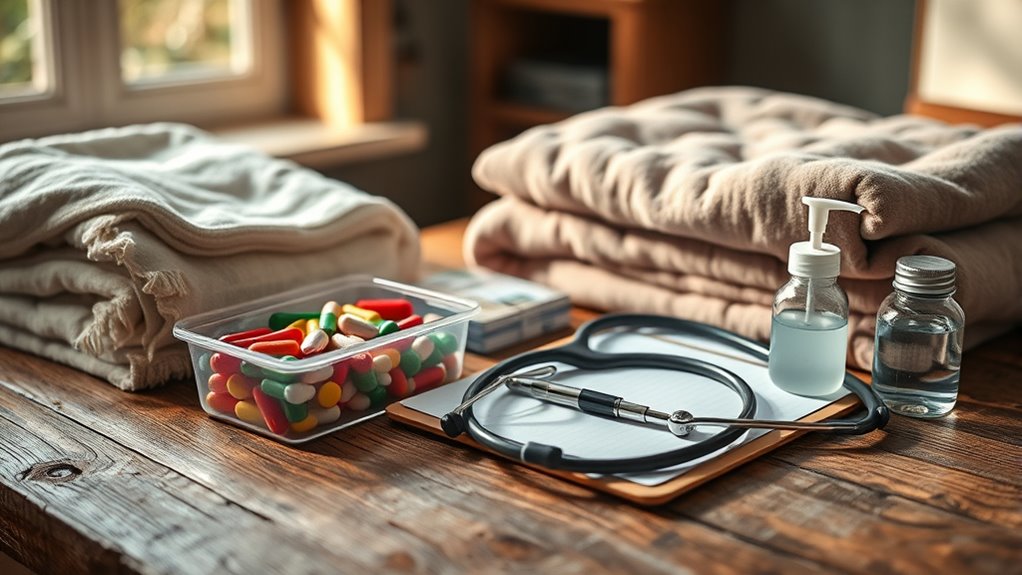
Have you ever thought about what you’d do if an emergency suddenly required you to care for someone? It’s a scenario that can feel overwhelming, but being prepared can make all the difference. Building a caregiver go-kit is a vital step in ensuring you’re ready to respond confidently when it matters most. The first thing to consider is including items that provide emotional support, both for the person you’re caring for and for yourself. Emergencies can be stressful and frightening, so having comforting items like favorite photos, calming music, or a small journal can help soothe anxiety. These small touches remind your loved one that they’re not alone and offer you a way to process your own feelings in a tough moment.
Another essential component of your go-kit is a list of emergency contacts. Keep this list updated and easily accessible so you can quickly reach out for help if needed. This list should include family members, close friends, healthcare providers, and local emergency services. Make sure to include any specific instructions or medical information that might be relevant, such as allergies or chronic conditions. Carrying a printed list ensures you won’t be stranded if your phone dies or if you’re in a situation where you can’t access digital contacts.
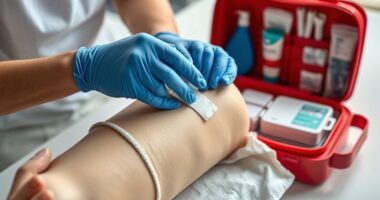
When assembling your go-kit, don’t forget to pack essential medical supplies tailored to the care recipient’s needs. This includes medications, first aid items, and any assistive devices they may require. Keep a copy of their medical history and emergency plan inside the kit, so you’re ready to act quickly and accurately. It’s also wise to include personal hygiene items, a flashlight with extra batteries, and a small, portable phone charger. These items can be lifesavers in situations where power or access to regular supplies is limited. Additionally, understanding the importance of emergency preparedness can help you stay calm and organized during crises.
Preparing emotionally is just as important as gathering physical items. Take time to familiarize yourself with basic caregiving skills, and consider attending a first aid or CPR class. Knowing you’re competent can reduce panic and help you stay calm under pressure. Remember, a well-stocked and thoughtfully prepared go-kit acts as your safety net during emergencies, giving you the tools and confidence to care for someone effectively. Being proactive now ensures that when an emergency strikes, you’re ready to provide not just physical care, but emotional reassurance as well.
emergency medical kit for caregivers
As an affiliate, we earn on qualifying purchases.
As an affiliate, we earn on qualifying purchases.
Frequently Asked Questions
How Often Should I Update My Caregiver Go-Kit?
You should review and update your caregiver go-kit at least every six months, or more often if circumstances change. Establish a maintenance schedule to check supplies, medications, and equipment regularly. During your kit review, verify all items are current, functional, and unexpired. Keeping your kit up-to-date guarantees you’re prepared for emergencies, minimizes shortages, and adapts to evolving care needs, providing peace of mind for both you and your loved one.
What Are the Essential Items for Different Types of Caregiving?
You should include essential items tailored to different caregiving needs, like medication management tools such as pill organizers and schedules, and mobility aids like walkers or wheelchairs. For dementia care, add flashing lights or clocks for orientation. For physical disabilities, include assistive devices like grab bars. Always consider the specific health conditions and daily routines, ensuring you’re prepared for emergencies and ongoing care, and regularly update these items as needs change.
How Do I Personalize a Go-Kit for Specific Needs?
Like a knight customizing armor, you tailor your go-kit to meet individual preferences and needs. To personalize it, consider what supplies are most useful for the person you’re caring for—medications, favorite snacks, or comfort items. Add any specific tools they prefer, like hearing aids or mobility aids. Regularly update and customize supplies based on changing needs, ensuring your kit remains practical and supportive for their unique situation.
Can a Caregiver Go-Kit Be Prepared for Emergencies Abroad?
Yes, you can prepare a caregiver go-kit for emergencies abroad by focusing on international travel and emergency preparedness. Pack essential items like medications, copies of important documents, and basic first aid supplies suitable for the destination’s healthcare standards. Include pain relievers, adaptors, and emergency contacts. Stay informed about local emergency services, and customize your kit to address specific health needs, ensuring you’re ready for any situation during international travel.
How Do I Organize and Store the Go-Kit Efficiently?
To organize and store your caregiver go-kit efficiently, choose durable storage solutions like clear bins or backpacks for easy access. Use labeling techniques to clearly mark each section or container with contents and expiration dates. Keep frequently used items at the top or front, and store less-needed supplies separately. Regularly review and update your kit, ensuring everything remains organized and ready for emergencies.
Conclusion
So, there you have it—your shiny new caregiver go-kit, a veritable fortress of preparedness. Because nothing says “I’ve got this” quite like having a well-stocked box of essentials while the world teeters on chaos. Remember, in the grand game of caregiving, being over-prepared is the new cool. Now, go forth, pack smart, and enjoy the smug satisfaction of knowing you’re every bit the hero your loved ones secretly admire—at least until the next emergency.
Flea & tick season Picks
flea and tick prevention
As an affiliate, we earn on qualifying purchases.