
Using plain language for health information helps you understand complex medical details clearly and easily. It makes health concepts accessible regardless of your background or education level and helps you avoid misunderstandings that could impact your health. When health information is simple and straightforward, you feel more confident and can make better decisions about your care. To learn more about how plain language improves your health experience, see what tips and strategies are available.
Key Takeaways
- Use simple, everyday language to explain health concepts clearly and avoid medical jargon.
- Structure information logically with clear headings, bullet points, and summaries for easy navigation.
- Incorporate visuals like diagrams or icons to enhance understanding and engagement.
- Test materials with diverse audiences to ensure clarity and cultural appropriateness.
- Encourage questions and provide straightforward answers to promote active understanding.
Clear health information is essential because it helps you understand your health and make informed decisions. When health details are presented in plain language, you’re more likely to grasp complex concepts, which can lead to better outcomes. Improving health literacy—the ability to access, understand, and use health information—is vital because it directly influences how confidently you manage your health. If medical instructions or health advice are confusing, you might miss important steps, misinterpret your condition, or delay seeking care. Conversely, when information is straightforward, you feel more confident steering the healthcare system and following treatment plans. Effective communication plays a crucial role in enhancing health literacy and promoting positive health behaviors.
Using plain language isn’t just about simplifying words; it’s about making sure that the message is accessible to everyone, regardless of their background or education level. Healthcare providers and organizations that communicate clearly help you avoid misunderstandings that could negatively impact your health. When information is easy to understand, you’re empowered to take control of your health rather than feeling overwhelmed or unsure about what to do next. This sense of empowerment encourages you to ask questions, clarify doubts, and participate actively in your care decisions. It transforms you from a passive recipient of health advice into an active partner in managing your well-being.
Effective communication also reduces anxiety because you don’t have to worry about misinterpreting instructions or missing critical information. When you receive health details in plain language, you’re better equipped to follow medication instructions, understand lifestyle recommendations, and recognize warning signs that need medical attention. This transparency builds trust between you and your healthcare providers, reinforcing your confidence in the care you receive. Moreover, clear health information supports health equity, ensuring that everyone, regardless of literacy level or language proficiency, can access the knowledge they need to stay healthy.

Permacharts American Sign Language Reference Guide (ASL) 4-page Laminated ASL Chart to learn and communicate using Sign Language
American Sign language 4-page guide with quick study tips and detail information
As an affiliate, we earn on qualifying purchases.
As an affiliate, we earn on qualifying purchases.
Frequently Asked Questions
How Can I Tell if Health Information Is Written in Plain Language?
You can tell if health information is written in plain language by checking if it avoids complex medical jargon and uses simple, everyday words. Look for a reading level around 6th to 8th grade, meaning it’s easy to understand. If the content is clear, concise, and straightforward, then it’s likely written in plain language. This helps you grasp important health details without confusion or needing extra help.
What Are Common Barriers to Understanding Plain Language Health Materials?
You might struggle with plain language health materials because of medical jargon or cultural differences. Medical jargon can be confusing if you’re not familiar with technical terms, while cultural differences may affect how you interpret information or how it’s presented. Additionally, complex sentence structures, unfamiliar symbols, or assumptions about prior knowledge can create barriers. To improve understanding, look for clear, simple language and culturally sensitive content that respects your background.
How Does Plain Language Improve Patient Outcomes?
Plain language improves patient outcomes by boosting patient engagement and enhancing health literacy. When you communicate clearly, patients understand their conditions, follow treatment plans, and ask informed questions. This understanding leads to better adherence, fewer errors, and increased confidence in managing health. Ultimately, you foster a trusting relationship that encourages proactive health behaviors, reducing hospital visits and improving overall well-being. Clear communication truly empowers patients to take control of their health.
Are There Specific Guidelines for Creating Plain Language Health Content?
Yes, there are specific guidelines for creating plain language health content. You should follow plain language standards, such as using clear, simple words, short sentences, and active voice. Incorporate health literacy strategies like organizing information logically and avoiding jargon. Make your content easy to scan with headings and bullet points. Always test your materials with real users to guarantee they’re understandable and meet their needs effectively.
How Can Healthcare Providers Encourage Patients to Ask Questions?
Imagine a open door inviting questions; that’s how you foster patient engagement. Use clear communication techniques like simple language, open-ended questions, and active listening to make patients feel comfortable. Encourage them by saying, “Feel free to ask anything,” and show genuine interest in their concerns. When you create a welcoming environment, patients are more likely to ask questions, leading to better understanding and healthier decisions.
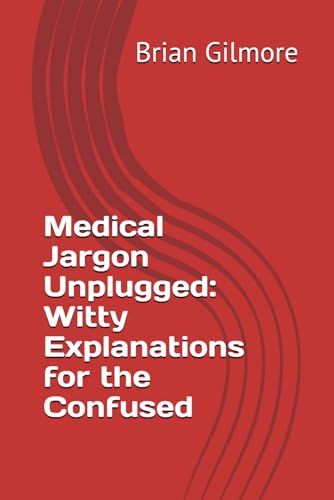
Medical Jargon Unplugged: Witty Explanations for the Confused
As an affiliate, we earn on qualifying purchases.
As an affiliate, we earn on qualifying purchases.
Conclusion
So, next time you think medical jargon sounds impressive, remember it might just be confusing. Clearly explaining health info with plain language isn’t just easier—it’s smarter. Ironically, the simpler your words, the more you understand and can act on your health. So, don’t let complicated words fool you; sometimes, the best health advice is just plain and simple. After all, isn’t it better to understand than to be overwhelmed?

What Do Living Things Need?
As an affiliate, we earn on qualifying purchases.
As an affiliate, we earn on qualifying purchases.

Human Body: An Illustrated Guide to Every Part of the Human Body and How It Works
As an affiliate, we earn on qualifying purchases.
As an affiliate, we earn on qualifying purchases.