
TL;DR
A truly comfortable ergonomic office chair supports natural posture, is highly adjustable, and uses quality materials. Recent innovations include smart tech and sustainable designs, making them worth investing in for long-term health and comfort.
Imagine sitting at your desk, feeling like you’re being gently supported by a cloud, rather than a hard, unyielding seat. That’s the power of a truly comfortable ergonomic office chair. If you spend hours at your workspace, investing in one can turn a daily grind into a more pleasant, health-conscious routine.
In this guide, you’ll learn what makes a chair ergonomic and comfortable, explore recent innovations, and get practical tips to pick the perfect fit for your body. Whether you work from home or in a busy office, the right chair makes all the difference.
Prioritize adjustability—seat height, lumbar support, armrests—to customize your comfort.
Material quality and breathability greatly influence long-term comfort and durability.
Recent innovations include smart sensors and eco-friendly materials that enhance comfort and sustainability.
Don’t skip trying out chairs—comfort is personal, and a perfect fit feels natural and supportive.
Investing in a high-quality ergonomic chair can significantly reduce back pain and boost productivity.
What Features Make a Chair Truly Comfortable and Supportive?
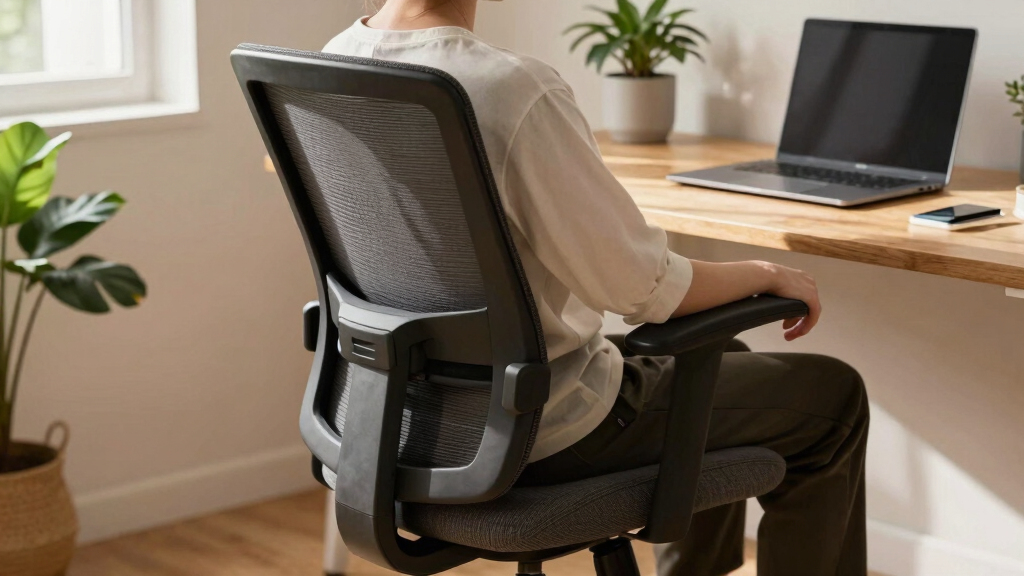
When you sit in a chair that’s designed well, it feels natural—like your body is in its ideal position. Key features include adjustable lumbar support, seat height, and armrests. For example, a chair with adjustable lumbar support helps maintain the curve of your lower back, reducing strain during long stretches. Think of it like a gentle hug for your spine.
Seats with breathable mesh materials keep you cool and dry, especially during hot days or intense work sessions. Padding matters too—look for cushions that are firm but forgiving, not like sinking into a marshmallow. The right combination prevents discomfort and fatigue, which can lead to poor posture over time. For instance, a poorly padded seat might cause you to shift constantly, disrupting focus and increasing pressure points. Conversely, a seat with the right firmness distributes your weight evenly, supporting your pelvis and reducing pressure on your lower back and hips. Choosing materials that breathe also helps prevent overheating and sweating, which can cause discomfort and skin irritation, especially during long periods of sitting. These features matter because they directly influence your ability to sit comfortably for extended periods, which is essential for maintaining proper posture and avoiding musculoskeletal issues. Neglecting these details can lead to discomfort, fatigue, and long-term health problems, making the investment in quality features a proactive step toward better health.

Ergonomic Office Chair with Adjustable Lumbar Support, 3D Arms and Headrest, High Back Wide Desk Computer Chair with Wheels, for Home & Office, Black
- High-Density Foam Cushion: Supports posture and resists sagging
- Breathable Mesh Back: Enhances airflow for comfort
- Fully Adjustable Headrest: Customizable for neck support
As an affiliate, we earn on qualifying purchases.
As an affiliate, we earn on qualifying purchases.
How Adjustability Ensures the Perfect Fit for Any Body Type
Adjustability is the secret sauce of ergonomic chairs because no two bodies are the same. A chair that can be tuned to your specific dimensions and preferences ensures optimal support, which is crucial for preventing strain and injury. When a chair is easily adjustable, it allows you to align your body in a way that maintains natural spinal curves and reduces uneven pressure points. For example, if a seat is too low or high, it can cause strain on your knees or hips, or if lumbar support isn’t aligned properly, it can lead to slouching and back pain. The ability to customize these features means you can create a setup that promotes healthy circulation, reduces fatigue, and supports movement throughout your workday. The tradeoff, however, is that highly adjustable chairs might require more time to set up initially and could be more complex to operate. But this investment in time pays off by preventing discomfort and long-term musculoskeletal problems, which can be costly both financially and health-wise. Understanding that adjustability isn’t just convenience, but a vital component of ergonomic health, emphasizes why investing in a highly adjustable chair is often worth the extra effort, especially if you spend many hours seated each day.
Compare Top Features of Popular Ergonomic Chairs
| Feature | Herman Miller Aeron | Steelcase Leap | Humanscale Freedom |
|---|---|---|---|
| Adjustability | High – adjustable arms, tilt, lumbar | Very high – seat depth, lumbar, armrests | Moderate – recline, armrest height |
| Material | Breathable mesh | Premium fabric and plastic | Mesh with foam |
| Price Range | $1,200 | $1,000 | $900 |
| Best For | Long hours, back support | Dynamic movement, customization | Minimalist, quick adjustments |
This comparison highlights that each chair excels in different areas, reflecting the tradeoffs between features and price. For example, the Herman Miller Aeron’s superior mesh support offers excellent breathability, which is vital for those who sit for extended periods and tend to overheat. Meanwhile, the Steelcase Leap’s extensive adjustability allows for a more personalized fit, which can prevent discomfort and support diverse body types. The Humanscale Freedom’s moderate adjustability might appeal to users seeking a simpler, more streamlined design without sacrificing essential comfort. Recognizing these differences helps you weigh what’s most important—whether it’s maximum support, customization, or simplicity—and choose a chair that aligns with your specific needs. Remember, investing in a chair that matches your work habits and body type can prevent discomfort and health issues down the line, making the initial investment worthwhile.
What Are the Latest Innovations Making Chairs More Comfortable?
Modern ergonomic chairs are now smarter and more eco-friendly. Some include sensors that monitor your posture and remind you to move or adjust. Imagine a chair that gently vibrates when you slouch, nudging you to sit upright. These features turn your workspace into a health tech hub. Such innovations encourage active sitting, which has been shown to improve circulation and reduce stiffness, especially during long periods of inactivity.
Plus, eco-conscious materials like recycled plastics and sustainably sourced fabrics are now common. For example, the Steelcase Series 1 uses recycled aluminum and plastic, aligning comfort with environmental care. These materials not only reduce environmental impact but also often enhance durability and breathability, which are crucial for long-term comfort. Additionally, some chairs incorporate modular designs that allow for easy replacement of parts, extending their lifespan and reducing waste. Active chairs that promote movement—like wobble stools—are also rising in popularity. They keep your core engaged, much like balancing on a tightrope, reducing stiffness and improving circulation. These innovations reflect a shift towards more health-conscious, sustainable, and technologically integrated seating options.
How to Pick the Right Chair for Your Needs
Choosing a chair isn’t just about price or style. It’s about matching features to how you work and your body. Start by assessing your typical workday. Do you sit for 8 hours straight? Look for chairs with excellent lumbar support and high adjustability. Recognize that a chair that doesn’t support your specific needs can lead to discomfort, fatigue, and even injuries over time. For example, a tall person may need higher seat adjustments and deeper lumbar support, while someone with a history of back issues should prioritize precise lumbar contouring and recline options. Try out chairs if possible. Feel the seat, adjust the armrests, lean back—see if it supports your natural movement. Remember, a good ergonomic chair should feel like an extension of your body, supporting every move. Don’t rush this process; spending extra time testing different models can prevent costly mistakes and long-term discomfort.
Don’t forget the extras—footrests, monitor stands, and ergonomic keyboards can amplify comfort. Think of it as assembling a personal health toolkit for your workspace, where each component contributes to overall well-being and productivity. Properly supporting your entire seated posture ensures that you maintain energy and focus throughout the day, reducing strain and preventing repetitive stress injuries.
Frequently Asked Questions
What features should I look for in an ergonomic office chair?
Focus on adjustable lumbar support, seat height, armrests, and breathable materials. These features help tailor the chair to your body and reduce strain during long hours.
How do I know if an office chair is truly ergonomic?
It should support your natural posture, be highly adjustable, and fit your body size comfortably. Testing it out and feeling supported in all positions is key.
Are expensive ergonomic chairs worth the investment?
Generally, yes. Higher-quality chairs offer better durability, more adjustability, and superior support, making them a worthwhile investment for your health and comfort over years.
Can ergonomic chairs help with back pain?
When properly adjusted, ergonomic chairs can significantly reduce back strain and discomfort, especially if you spend many hours seated daily.
How often should I replace my office chair?
Typically every 7-10 years, or sooner if it shows signs of wear or no longer provides adequate support. Regular upkeep extends its lifespan.
Conclusion
Choosing a comfortable ergonomic office chair isn’t just about luxury—it’s a smart move for your health and focus. Think of it as investing in a tool that supports your body, boosts your energy, and makes work less of a chore.
Remember, the right chair adapts to you, not the other way around. So, sit tall—your back will thank you, and your productivity will soar.