

As you age, your protein needs increase to preserve muscle mass, support your immune system, and maintain overall health. Since natural muscle decline and decreased efficiency affect your body, it’s important to focus on consuming enough high-quality protein through a variety of sources like lean meats, dairy, eggs, and plant-based options. Distributing protein evenly across meals can optimize its benefits. Keep exploring for tips on how to meet these evolving needs effectively.
Key Takeaways
- Protein requirements generally increase with age to preserve muscle mass, immune function, and overall health.
- Older adults should prioritize diverse, high-quality protein sources like lean meats, dairy, eggs, and plant-based options.
- Adequate protein intake may need supplementation if dietary intake is insufficient or appetite declines.
- Distributing protein evenly across meals enhances absorption and utilization in aging individuals.
- Consulting healthcare providers helps tailor protein intake to individual health status and needs.
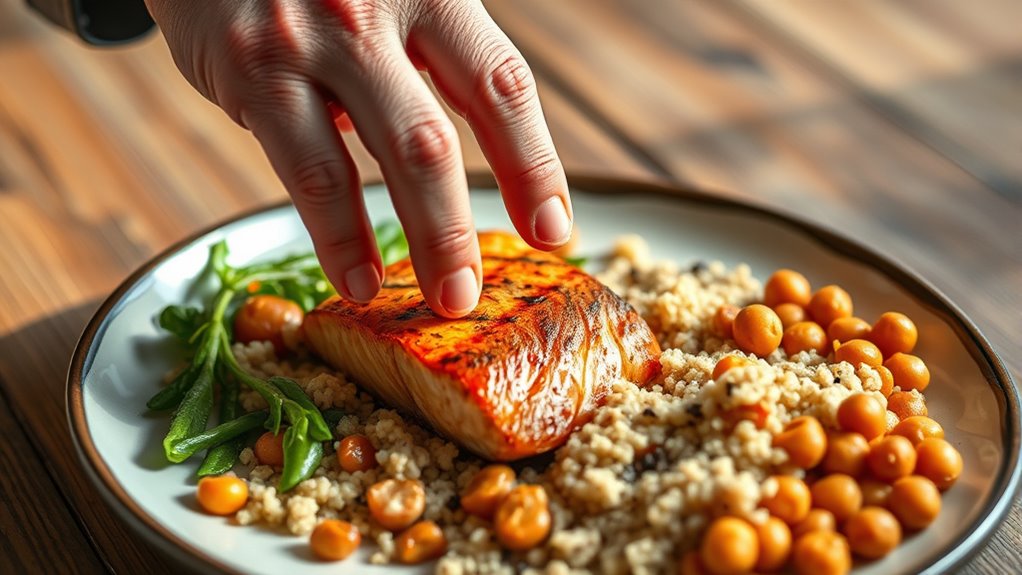
As you age, your protein needs may change to help maintain muscle mass, support immune function, and promote overall health. Meeting these increased demands often involves paying close attention to your dietary protein sources and considering protein supplementation when necessary. As muscle mass naturally declines with age, ensuring adequate protein intake becomes essential for preserving strength, balance, and mobility. You might find that incorporating a variety of dietary protein sources—such as lean meats, dairy, eggs, legumes, nuts, and seeds—helps you achieve a well-rounded amino acid profile, which is crucial for muscle repair and immune health.
While whole foods should be your primary source of dietary protein, supplementation can play a vital role if you’re unable to meet your needs through diet alone. Protein powders, ready-to-drink shakes, or amino acid supplements can provide a convenient, efficient way to boost your intake, especially during busy days or when appetite diminishes. When choosing protein supplementation, look for options that contain high-quality proteins with complete amino acid profiles, such as whey, casein, or plant-based blends. These supplements can help fill gaps and ensure you’re consuming enough protein to support muscle maintenance and recovery.
Supplementing with high-quality protein powders or shakes can help meet your dietary needs when food alone isn’t enough.
It’s also important to understand that not all protein sources are created equal. Animal-based proteins tend to be complete, providing all essential amino acids your body needs, but plant-based options can be equally effective when combined properly. For example, pairing beans with rice or using a plant-based protein powder can help you achieve a balanced intake. Incorporating a range of these sources, along with fortified foods or supplements if needed, ensures your body receives the necessary building blocks to support tissue repair, immune function, and metabolic health. Additionally, gaslighting behaviors can sometimes be mistaken for other communication issues, so understanding these patterns can be helpful in maintaining healthy interactions.
As you age, your body’s ability to utilize protein efficiently may decrease, making it even more important to consume adequate amounts regularly. Spreading your protein intake evenly across meals throughout the day maximizes absorption and benefits. Remember, although increasing protein intake is beneficial, moderation remains key—excessive consumption can strain your kidneys or lead to other health issues. Consulting with a healthcare provider or dietitian can help you determine the right amount and sources of protein tailored to your specific health status and lifestyle.

Premier Protein 30g High Protein Powder, 100% Whey, Chocolate, 17 Servings
- Flavor: Rich and smooth chocolate taste
- Protein Content: 30g protein per serving
- Nutritional Profile: Low sugar, carbs, and fat
As an affiliate, we earn on qualifying purchases.
As an affiliate, we earn on qualifying purchases.
Frequently Asked Questions
How Does Protein Absorption Change With Age?
As you age, your digestive efficiency and enzyme activity decline, which can diminish how well your body absorbs protein. You might notice that your stomach takes longer to process food, and enzymes necessary for breaking down proteins become less active. This means you may need to consume slightly more protein or choose easier-to-digest sources to meet your body’s needs. Staying mindful of your digestion helps ensure adequate protein absorption as you age.
Are Plant-Based Proteins Sufficient for Older Adults?
Plant-based sources can be sufficient for older adults if you choose a variety that provides complete amino acid profiles, like quinoa or soy. While some plant proteins lack certain amino acids, combining different sources, such as beans and grains, helps guarantee you meet your protein needs. Be mindful of portion sizes and consider fortified options or supplements if necessary, to maintain muscle mass and overall health as you age.
What Are Signs of Protein Deficiency in Seniors?
If you’re deficient in protein, you might notice muscle loss and increased fatigue. You may also experience weakness, slower wound healing, and a decline in immune function. Your energy levels could drop, and everyday tasks may become more difficult. Keep an eye on these signs, and consider increasing your protein intake from diverse sources to support muscle maintenance and overall health. If symptoms persist, consult your healthcare provider for guidance.
How Do Medications Affect Protein Metabolism?
Medications can considerably impact your protein metabolism through interactions that either inhibit enzymes or alter absorption. For example, some drugs cause enzyme inhibition, which slows down how your body processes proteins, leading to deficiencies over time. Other medications may interfere with nutrient absorption in your gut, reducing amino acid availability. Always consult your healthcare provider about potential medication interactions to ensure your protein intake remains adequate and your metabolism stays balanced.
Can High Protein Intake Harm Aging Kidneys?
Think of your kidneys as diligent gardeners tending a lush garden. High protein intake might feel like adding extra fertilizer, which can stress aging kidneys over time. If you’re considering a protein supplement, check with your healthcare provider to guarantee it won’t compromise your kidney function. While moderate protein levels support health, excessive amounts could accelerate decline, so balance is key to keeping your kidneys thriving.
Conclusion
So, as you age and chase that elusive fountain of youth, don’t forget your secret weapon: protein. Ignore it at your peril, or you’ll end up a fragile relic, reminiscing about the days you could lift more than a forkful. Remember, in the game of aging gracefully, protein isn’t just a dietary detail; it’s your backstage pass to staying strong and vibrant. Skip it, and you might just be signing up for the slow fade—cheers to that!