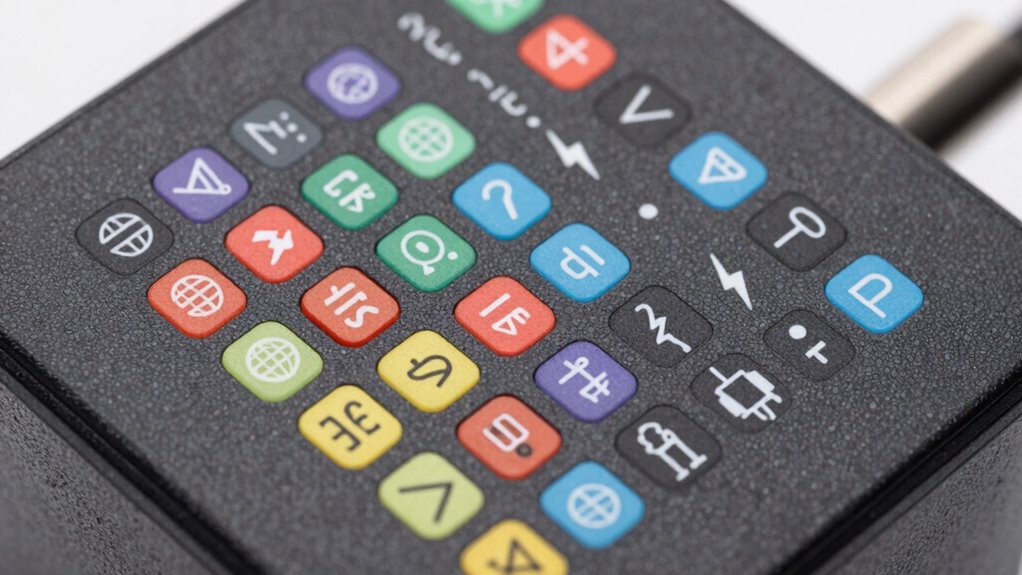

Travel adapter labels reveal important details about compatibility and safety, so you can use your devices abroad without worry. They show voltage ranges to prevent damage, plug types to fit local sockets, and whether surge protection or USB charging support for added convenience. Understanding these labels helps you pick the right adapter for your trip and avoid issues. Keep exploring, and you’ll discover even more tips to travel safely and comfortably.

Turn quiet afternoons into listening time
- Thousands of audiobooks, podcasts and originals
- Listen on your phone, tablet or Echo — also offline
- Cancel anytime
Key Takeaways
- Power compatibility labels indicate voltage ranges to ensure safe device use in different countries.
- Plug configuration diagrams show supported outlet types for region-specific or universal compatibility.
- Surge protection labels highlight if the adapter shields devices from voltage spikes.
- USB support icons specify if the adapter can charge multiple devices simultaneously via USB ports.
- Additional features like voltage converters or safety certifications help determine the adapter’s suitability and safety.
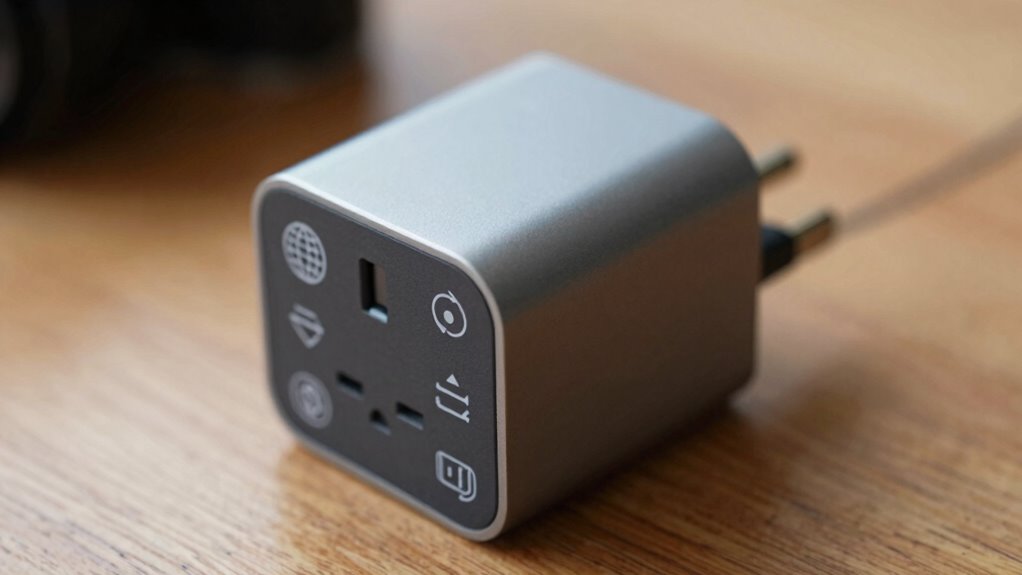
When you’re traveling abroad, understanding travel adapter labels becomes essential to guarantee your devices work safely and effectively. These labels provide critical information about whether a particular adapter suits your needs, especially when it comes to power compatibility and plug configurations. Power compatibility refers to the voltage and frequency the adapter can handle, which varies from country to country. If you ignore this, you risk damaging your devices or causing electrical hazards. For example, some adapters are compatible with a wide voltage range, like 100V to 240V, making them suitable for most destinations. Others are designed for specific voltages, so checking the label helps you avoid plugging into incompatible outlets.
Plug configurations are equally important, as different countries use various shapes and sizes of electrical sockets. When you look at an adapter label, you’ll often see a diagram or description of the plug types it supports. This guarantees you choose an adapter that matches the outlets of your destination. Some adapters are universal, featuring multiple plug configurations to accommodate different countries, while others are specific to a certain region. Recognizing these configurations on the label saves you time and prevents the frustration of arriving with an adapter that doesn’t fit the local sockets.
Many travel adapter labels also include information about whether the device has built-in surge protection or if it’s a simple plug converter. Surge protection is essential when traveling to areas with unstable power supplies, as it shields your gadgets from voltage spikes. If your device doesn’t support dual voltage, the label might include instructions for using a voltage converter alongside the adapter, which is another critical aspect to evaluate. Additionally, checking for voltage compatibility on the label helps ensure your devices will operate safely without damage. Being aware of electrical standards in different countries can further help you avoid unexpected issues with your devices. A thorough understanding of these standards can also help you select the right power adapters for your trip. It’s also useful to note if the adapter supports USB charging for added convenience while traveling.
Furthermore, labels often specify whether the adapter supports USB charging, which is especially handy if you’re traveling light and need to charge multiple devices quickly. It’s a good idea to pay attention to these details, as they can influence your packing list and guarantee you’re prepared for various power setups.
universal travel power adapter with USB ports
As an affiliate, we earn on qualifying purchases.
As an affiliate, we earn on qualifying purchases.
Frequently Asked Questions
Can I Use a Universal Adapter for All Countries?
Yes, you can use a universal adapter for all countries, but you must check its compatibility first. Make certain it supports the voltage and plug types of your destination to maintain travel safety. Not all universal adapters cover every country’s socket, so verify the labels and specifications. Using the right adapter prevents damage to your devices and keeps you safe during international travel, making your trip hassle-free.
What Does “Dual Voltage” Mean on an Adapter?
Don’t worry about voltage compatibility—”dual voltage” means your adapter can handle both 110V and 220V, so you won’t blow a fuse while traveling. This feature is essential because plug type variations differ worldwide, and a dual voltage adapter guarantees your devices work safely across countries. Knowing this makes packing easier and gives you confidence, so you can focus on your trip without stressing over electrical issues.
Are There Safety Certifications I Should Look For?
Yes, you should look for safety certifications on travel adapters. These certification marks indicate the adapter meets safety standards set by recognized organizations, ensuring safe use abroad. Look for marks like UL, CE, or FCC. These standards verify the adapter’s electrical safety, quality, and compliance with regional regulations. Choosing a certified adapter reduces risks of electrical hazards, so always check for reliable certification marks before purchasing or using one.
How Do I Know if an Adapter Is Suitable for High-Power Devices?
To know if an adapter suits high-power devices, check its voltage compatibility and guarantee it supports the device’s wattage requirements. Look for labels indicating it can handle 100-240V, which covers most high-power devices worldwide. Also, consider plug type variations; choose an adapter with the correct plug for your destination and guarantee it’s rated for high wattage to prevent overheating or damage.
Can I Charge Multiple Devices With One Adapter Simultaneously?
Yes, you can charge multiple devices with one adapter simultaneously, but you need to guarantee its travel safety and adapter compatibility. Not all adapters support multiple outputs, which could cause overheating or damage. Before plugging in, check if the adapter’s specifications match your devices’ power requirements. Using a multi-port adapter designed for travel guarantees safe charging, keeps your devices protected, and ensures compatibility across different countries’ outlets.
Conclusion
So, the next time you see those travel adapter labels, remember they’re like little hints guiding your journey. They gently suggest whether your device will play nicely with the local power, helping you avoid any unexpected surprises. Paying attention to these labels isn’t just about safety—it’s about making your trip smoother and more enjoyable. Embrace the details, and let your travels flow seamlessly, allowing you to focus on the adventures rather than technical hiccups.
Fall Picks
fall essentials
As an affiliate, we earn on qualifying purchases.