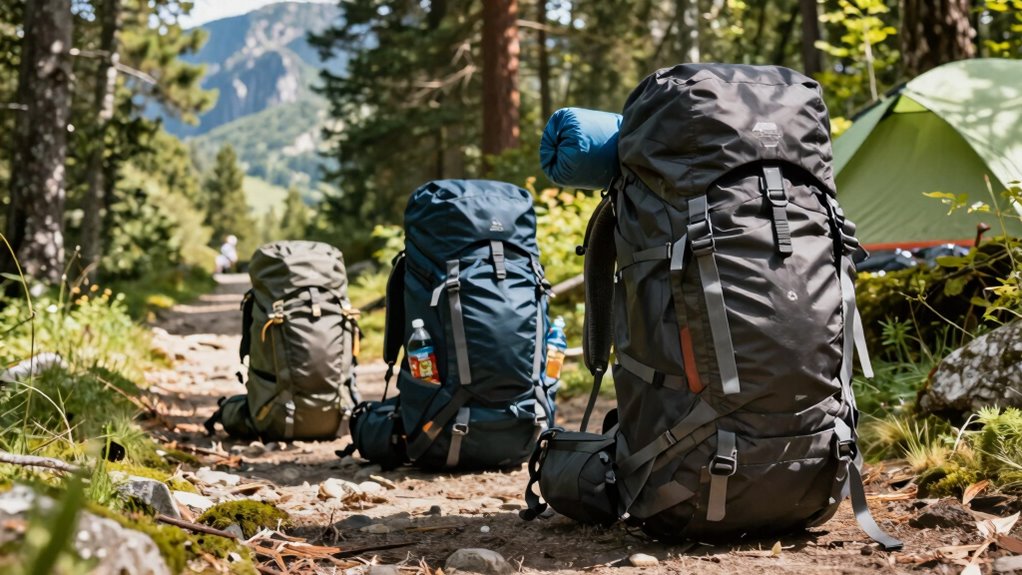

Choosing the right hiking backpack capacity depends on your trip length and gear needs. For day hikes, a 10-20 liter pack works best for essentials like water and snacks. Overnight trips require 20-40 liters to hold clothes and sleeping gear, while multi-day adventures need 40-70 liters for larger tents and food supplies. Proper organization and weight distribution make your hike more comfortable and safe. Keep exploring to discover more tips for selecting the perfect backpack for your adventures.

Turn quiet afternoons into listening time
- Thousands of audiobooks, podcasts and originals
- Listen on your phone, tablet or Echo — also offline
- Cancel anytime
Key Takeaways
- Backpack capacity varies from 10-20L for day hikes to 40-70L for multi-day backpacking trips.
- Proper capacity ensures comfort, weight distribution, and organization based on trip length and gear needs.
- Smaller packs require strategic gear organization for quick access and balance on short hikes.
- Larger packs accommodate sleeping gear, food, and shelter, with compartments to improve load management.
- Choosing the right size prevents discomfort, injury, and improves overall hiking efficiency.
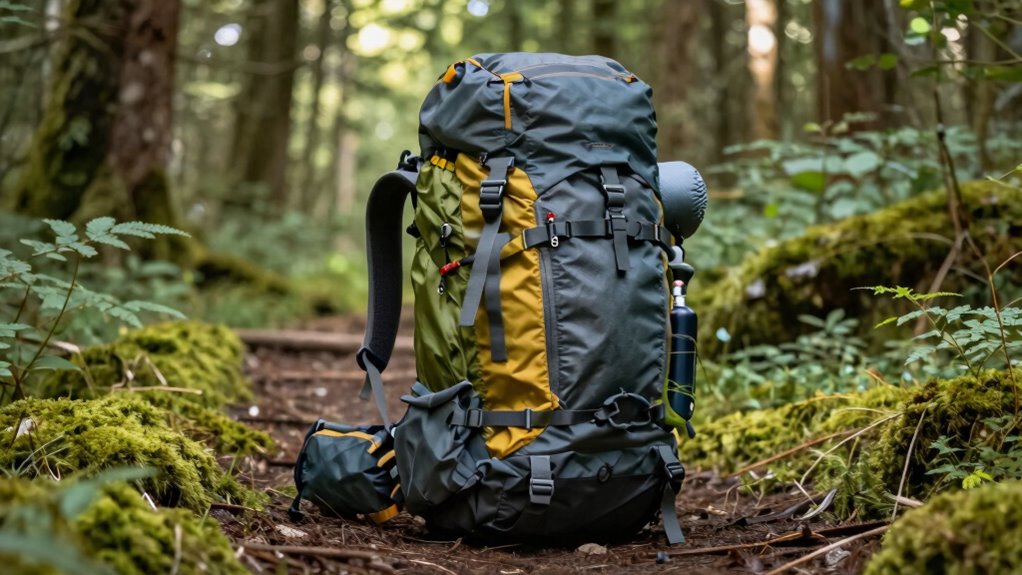
Choosing the right hiking backpack capacity is essential for a comfortable and successful trip. When you pick a pack that fits your needs, it helps you stay organized and balanced throughout your hike. The capacity determines how much gear you can carry, but it also influences how well your gear is organized and how evenly the weight is distributed. If your pack is too small, you might struggle to fit everything you need, leading to discomfort or the need to leave essentials behind. Conversely, a pack that’s too large can cause you to carry unnecessary weight, making your hike more tiring.
Choosing the right backpack size ensures comfort, organization, and balanced weight for a successful hike.
For day hikes, a backpack with a capacity of 10 to 20 liters usually suffices. These smaller packs are perfect for carrying essentials like water, snacks, a light jacket, a first aid kit, and possibly a camera. Because the capacity is limited, you’ll need to be strategic with gear organization—placing frequently accessed items in easy-to-reach compartments and ensuring heavier items are close to your back for proper weight distribution. This setup helps keep you comfortable and balanced, preventing fatigue and strain during short trips. Additionally, understanding gear organization can significantly improve your hiking experience by making your pack more efficient and comfortable. Proper gear organization also involves weight distribution, which directly impacts your comfort and stability on the trail. Paying attention to how your gear is arranged can also help prevent injuries caused by uneven loads.
When you’re planning a overnight trip or a short backcountry trek, a pack with a capacity of 20 to 40 liters is ideal. These backpacks give you enough space for a change of clothes, a sleeping bag, a tent or shelter, and extra food or gear. Proper gear organization becomes even more critical here, as you want to maximize space and keep your gear accessible. Distributing weight evenly is key—placing heavier items closer to your back and centered helps maintain good posture, reducing back pain and keeping your balance steady on uneven terrain. A well-organized pack can also improve the overall efficiency of your trip by allowing you to quickly find what you need without unpacking everything.
For longer multi-day trips or backpacking adventures, you’ll need a larger pack—typically 40 to 70 liters. These packs accommodate more gear, including larger tents, multiple days’ worth of food, cooking equipment, and extra clothing. With increased capacity, it’s vital to pay attention to how you organize your gear. Use compartments and compression straps to keep items secure and prevent shifting, which can throw off your weight distribution. Well-organized gear ensures that the heavier items stay close to your center of gravity, reducing fatigue and improving stability over extended distances. Additionally, understanding the role of biodiversity in maintaining healthy ecosystems can inspire more sustainable outdoor practices during your trips.
As an affiliate, we earn on qualifying purchases.
Frequently Asked Questions
How Do I Measure My Torso Length for a Backpack?
To measure your torso length for backpack sizing, find a friend to help or use a mirror. Locate the C7 vertebra at the base of your neck, then measure down to the top of your iliac crest (hip bone). Use a soft tape measure, keeping it straight and snug. Record this torso measurement accurately, as it guarantees you select a backpack that fits comfortably and provides proper support for your hikes.
Are Larger Backpacks Suitable for Day Hikes?
A larger backpack can make you feel like you’re preparing for a week-long expedition, but it’s not ideal for day hikes. Larger packs may be cumbersome, making you feel weighed down and sluggish. For day hike suitability, focus on backpack size considerations—smaller, lightweight packs are perfect. They offer enough space for essentials without unnecessary bulk, ensuring you stay nimble and comfortable on shorter, more energetic adventures.
Can I Use a Hiking Backpack for Travel?
Yes, you can use a hiking backpack for travel, especially if it’s versatile and fits your backpacking gear and travel accessories. Look for a backpack with a good capacity, comfortable straps, and multiple compartments to organize your essentials. Keep in mind that larger hiking backpacks work well for longer trips or outdoor adventures, but for quick trips, a smaller one might be more convenient. Adapt your backpack choice to your travel needs.
How Does Weight Distribution Affect Backpack Comfort?
Think of your backpack as a ship sailing smoothly across the sea. Proper weight balance keeps your ship steady, preventing wobbling and fatigue. When you adjust the load, you’re steering towards comfort; uneven weight causes strain. By paying attention to load adjustment and maintaining an even weight distribution, you guarantee your voyage is comfortable, reducing pressure on your shoulders and back, making each step feel lighter and more manageable.
What Features Should I Look for in a Hiking Backpack?
When choosing a hiking backpack, look for features like good backpack ventilation to keep you cool and dry during strenuous hikes. Guarantee it has hydration compatibility, so you can easily access water without stopping. Adjustable straps and a padded hip belt improve comfort, while multiple compartments keep your gear organized. Consider the material’s durability and weight. These features maximize comfort, convenience, and functionality on your outdoor adventures.
Conclusion
Just like the explorers who charted unknown lands with the right gear, choosing the perfect backpack capacity prepares you for your adventure. Think of it as your trusty vessel, ready to carry all you need—food, water, gear—without weighing you down. By understanding your trip’s demands, you set sail with confidence, embracing the journey ahead. So, pack wisely, and let your hiking story unfold with the ease of those legendary explorers venturing into the great unknown.
Columbus Day / Indigenous Peoples' Day Picks
long weekend sales
As an affiliate, we earn on qualifying purchases.