
TL;DR

Turn quiet afternoons into listening time
- Thousands of audiobooks, podcasts and originals
- Listen on your phone, tablet or Echo — also offline
- Cancel anytime
Researchers from Virginia Commonwealth University and Emory University deployed HomePal, a home sensor system, in the residences of 70 independently living adults aged 65 and older in metro Atlanta for three months. They are comparing sensor data with loneliness assessments to see whether everyday behavior may provide signals for follow-up; the system is still being studied and is not a diagnostic tool.
Researchers from Virginia Commonwealth University and Emory University have deployed a home sensing prototype in the homes of 70 independently living adults aged 65 and older, testing whether everyday behavioral data may be associated with loneliness. The three-month HomePal study is comparing sensor readings with participants’ reported loneliness, but the researchers say the system is not intended to diagnose loneliness.
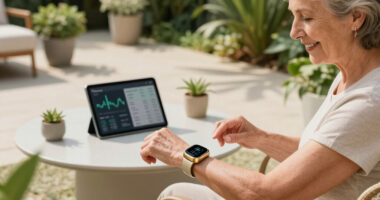
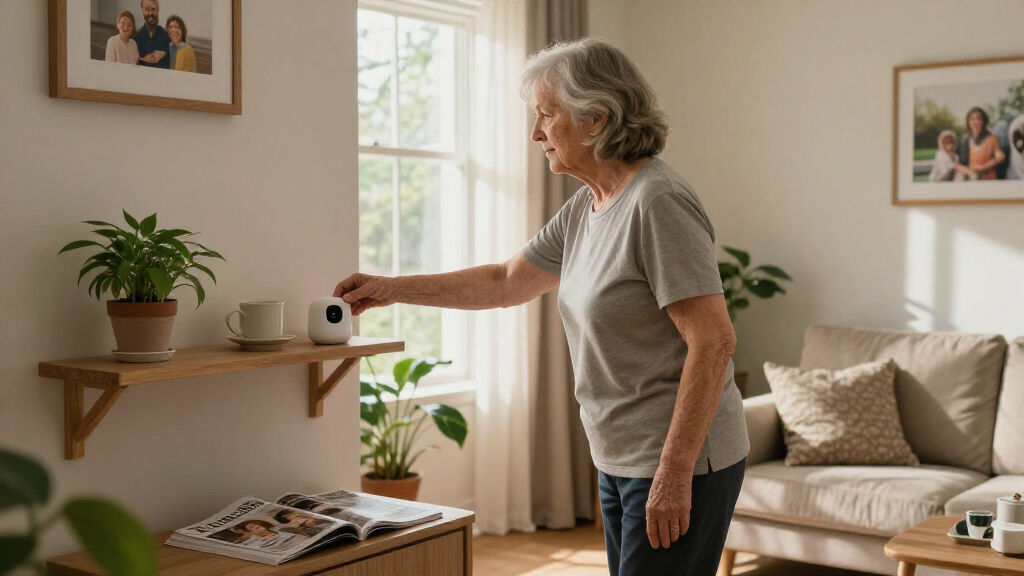
HomePal combines commercially available and custom sensors to passively collect information about movement, daily activities, sleep and phone use. The setup includes motion and door sensors, smart plugs that estimate television use, sleep sensors and smart speakers. Phone-call patterns are also considered as a possible indicator of social connectedness. The system is designed to detect changes in routines that might merit attention, not to establish why those changes occurred.
During the three-month deployment in metro Atlanta, the researchers gathered data from adults living independently. They plan to compare those readings with loneliness assessments conducted every two weeks. The research team is using an AI model to examine which observed patterns correspond most closely with participants’ assessment results, according to the report. The work was published in the journal Assessment.
The researchers have not reported a validated accuracy rate or shown that the system can reliably identify loneliness. Instead, they are still developing and evaluating models against the survey-based assessments. Mohamed Kamel, a computer science doctoral student at VCU and lead author, described the aim as finding behavioral patterns that could be early signs of loneliness or social withdrawal. Any alert would be a prompt for follow-up, rather than a clinical conclusion.
A Possible Early Signal for Caregivers
Loneliness can be difficult for health professionals to recognize during an occasional clinic appointment, particularly if a patient does not raise the subject. A system that tracks changes in daily routines could, if later testing supports its use, give a person or caregiving team another reason to check in. The potential value is in noticing a change over time, rather than treating a sensor reading as proof of how someone feels.
The researchers envision a future product that could provide a daily score or trend for family members or medical caregivers. That could help guide a conversation or further assessment. But no evidence in the report establishes that HomePal improves health outcomes, leads to earlier treatment, or accurately distinguishes loneliness from other causes of changes in sleep, movement or phone use. Those questions matter before the system could be considered for routine care.
As an affiliate, we earn on qualifying purchases.
How HomePal Links Sensors and Surveys
The project brings together behavioral data collected in the home and participants’ own reports of loneliness. That comparison is central: the sensors record activity, while the biweekly assessments provide a measure of what participants say they are feeling. The team is examining whether patterns in the first source track with responses in the second.
Different readings could have many explanations. More television use, altered sleep, fewer calls or less movement may be associated with loneliness, but none of those behaviors alone confirms it. Kamel said the team is seeking patterns that may be related to loneliness and may deserve follow-up. The report identifies this as an ongoing research effort, not a finished screening service.
The researchers also say the sensor configuration could be changed. HomePal currently uses smart speakers and television plugs, but the team says it could be adapted to rely on devices that process and store information on a local network. That option reflects an open design question for any future version: which data are collected, who can see them and where they are stored.
“The main idea is to see whether everyday behavior at home can give early signs that an older adult may be experiencing loneliness or social withdrawal.”
— Mohamed Kamel, VCU computer science doctoral student and lead author
Accuracy, Alerts and Privacy Still Open
The report does not give the model’s accuracy, the number of participants who reported loneliness, or results showing which sensor patterns were most strongly associated with assessment scores. It is also not clear how often the system might generate an alert or how well it could distinguish loneliness from other possible explanations for a behavioral change. The team is still analyzing data and developing its models.
Privacy protections for a future product are not yet fully specified. Researchers say local data storage and limits on sharing with caregivers may be possible, but the report does not describe a finalized product, data policy or consent process for commercial use. A sensor-based signal would also need careful interpretation: it cannot establish a person’s emotional state on its own.
Researchers Continue Model Testing
The team plans to continue analyzing the HomePal data, comparing its model results with the biweekly loneliness assessments and adjusting the sensor setup as it learns more. That work should help establish whether any patterns are consistent enough to warrant follow-up and how accurately the system can identify them.
The researchers have discussed a possible commercial system installed in a home like a security setup, with a trend shared with a participant or chosen caregiver. The source does not give a release date or say that such a product is ready for use. Before that step, the project would need further evaluation, clearer evidence of performance and decisions about data access and storage.
Key Questions
What is HomePal?
HomePal is a research prototype that uses home sensors and connected devices to collect information about movement, sleep, television use and phone activity. Researchers are studying whether those patterns correspond with reported loneliness.
Does HomePal diagnose loneliness?
No. Lead author Mohamed Kamel said the system is not intended to diagnose loneliness. Researchers describe it as a way to identify patterns that could prompt a follow-up conversation or assessment.
Who took part in the study?
The prototype was deployed for three months in the homes of 70 adults aged 65 and older who lived independently in metro Atlanta. Researchers plan to compare sensor data with assessments conducted every two weeks.
Is HomePal available to buy?
The report describes HomePal as a research prototype and says the researchers hope to develop a commercial product in the future. It does not provide a launch date or indicate that the system is currently available for purchase.
How will the researchers protect participants’ data?
The team says the system could be adapted to use sensors that process and store data locally, and that sharing with caregivers could be limited. A finalized data policy for a commercial system has not been reported.
Source: rss
Halloween Picks
halloween
As an affiliate, we earn on qualifying purchases.