To stay safe while wandering with GPS, plan your route beforehand and familiarize yourself with key landmarks and safe zones. Share your plans with trusted contacts and keep backup tools like maps or charged power banks handy. Use your device’s safety features such as emergency contacts and SOS buttons, but don’t rely solely on technology—maintain awareness of your surroundings. If you explore further, you’ll discover more strategies to prevent wandering risks and enhance your safety.
Key Takeaways
- Plan routes in advance and familiarize yourself with key landmarks to reduce dependence on GPS signals.
- Share your travel itinerary and expected return time with trusted contacts for safety oversight.
- Use GPS safety features like emergency SOS buttons and real-time location sharing during outdoor wandering.
- Carry backup tools such as physical maps, charged power banks, and compass to stay prepared if devices fail.
- Maintain situational awareness by observing your surroundings and developing natural navigation skills alongside technology.
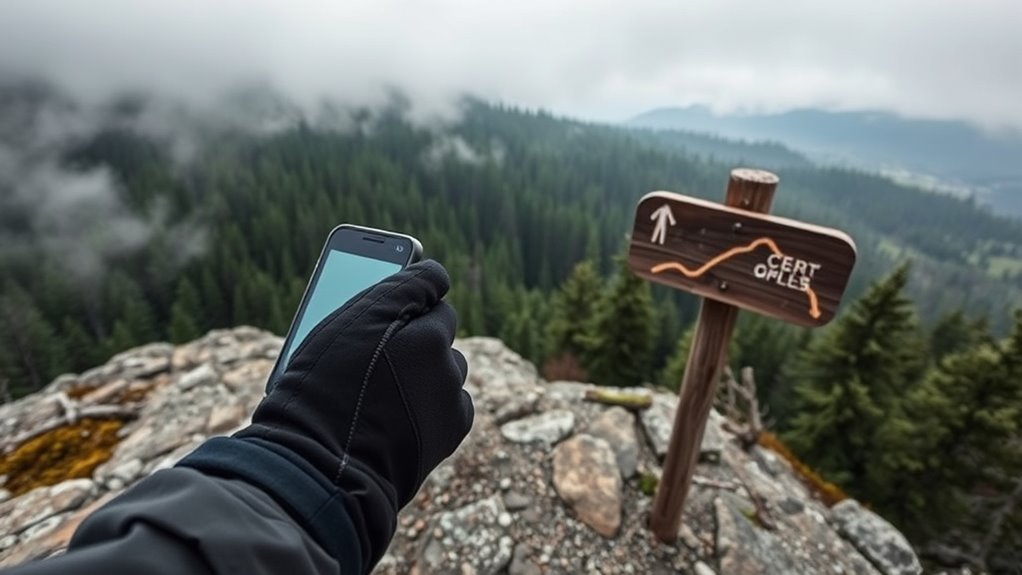
GPS technology has become an essential tool for navigation, but using it safely requires awareness and caution. When wandering through unfamiliar areas, relying solely on GPS can sometimes lead to unexpected risks, especially if you’re not prepared for emergencies. To guarantee your safety, it’s vital to integrate GPS with emergency preparedness strategies. This means keeping a backup plan, such as carrying a physical map or a fully charged power bank, in case your device malfunctions or loses signal. Technology integration isn’t just about trusting your GPS blindly; it involves understanding its limitations and knowing how to complement it with other safety measures.
One key aspect of safe GPS use is planning your route ahead of time. Before setting out, familiarize yourself with the area and identify safe spots, landmarks, or known safe zones. This proactive approach helps prevent getting lost if your device fails or the signal drops unexpectedly. It’s also wise to share your itinerary with someone you trust, providing them with your planned route and expected return time. This way, if you don’t check in at the scheduled time, they can alert authorities or assist in locating you. Incorporating technology with emergency preparedness involves installing apps that send automatic alerts or share your location with trusted contacts, adding an extra layer of safety during your wanderings.
Additionally, understanding how to operate your GPS and related devices is essential. Take time to learn about features like route tracking, SOS functions, or emergency contact buttons. These tools are designed specifically for situations where you might feel lost or in danger. Using these features effectively ensures that help can reach you quickly if needed. As you explore, always be mindful of your surroundings and avoid over-reliance on technology alone. GPS might guide you, but natural navigation skills and situational awareness are equally important to prevent wandering risks. Furthermore, fostering a digital-friendly environment at home can help you and your family develop better digital literacy and safety habits to minimize risks during outdoor activities.
Frequently Asked Questions
How Accurate Are GPS Devices in Urban Environments?
GPS devices in urban environments are generally quite accurate, but their precision can vary due to urban signal interference. Tall buildings and dense infrastructure often block or weaken signals, reducing device precision. You might notice slight inaccuracies or delays in location updates, especially in city centers. However, with modern technology and improved signal reception, most devices provide reliable tracking for safety and navigation, even amid complex urban landscapes.
What Are the Privacy Implications of GPS Tracking?
You should be aware that GPS tracking raises privacy concerns, as your location data can be accessed or misused if not properly secured. It is crucial to understand how your data is stored and shared, and to choose devices with strong data security measures. By staying informed and setting appropriate privacy controls, you can protect your personal information and reduce risks associated with unauthorized access or tracking.
Can GPS Devices Be Hacked or Tampered With?
You bet, GPS devices can be hacked or tampered with if you’re not careful. Hackers exploit gps signal vulnerabilities, which can lead to unauthorized access or false location data. That’s why device authentication is vital—it helps make sure you’re communicating with a trusted device. Always keep your firmware updated and use strong security measures to prevent tampering. Don’t let your guard down; it’s better to be safe than sorry.
How Long Does GPS Battery Life Typically Last?
GPS devices typically last between 24 to 72 hours on a full battery, depending on their battery longevity and usage. To maximize power management, you should turn off features like Bluetooth or Wi-Fi when not needed and choose devices with longer-lasting batteries. Regularly charging the device helps guarantee it stays operational for extended periods, giving you peace of mind when monitoring someone at risk of wandering.
Are There Legal Restrictions on Using GPS for Tracking?
You need to know that using GPS for tracking can be subject to legal regulations and privacy concerns. Laws vary by location, so you should check local laws before tracking someone’s device. While tracking loved ones can be helpful, it’s essential to respect their privacy rights. Always get consent when necessary, and stay informed about legal restrictions to avoid potential issues or violations of privacy.
Conclusion
By using GPS safety measures, you’re planting a sturdy lighthouse in your loved one’s path, guiding them safely through life’s fog. Remember, technology is a powerful tool, but it’s your vigilance that truly illuminates their way. Stay proactive, keep devices updated, and never underestimate the peace of mind that comes from knowing you’ve taken steps to protect those you care about most. With GPS, you’re not just tracking—they’re anchored in your love and care.