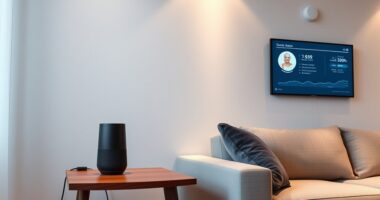
With Electronic Visit Verification (EVV), you can expect to automatically track and verify in-home care visits using remote monitoring technology. It captures accurate details like visit times, location, and caregiver presence, reducing paperwork and ensuring compliance with regulations. EVV streamlines your workflow, improves oversight, and minimizes errors or missed visits. As you explore further, you’ll discover how this innovation enhances efficiency and accountability across home healthcare environments.
Key Takeaways
- Real-time tracking verifies caregiver visits, reducing paperwork and manual reporting errors.
- Automated data collection ensures accurate recording of visit details like time and location.
- Remote monitoring flags discrepancies such as missed clock-ins or outs for immediate follow-up.
- Compliance tracking helps meet federal and state regulations effortlessly, minimizing audit risks.
- Data insights optimize staffing, scheduling, and service delivery for improved operational efficiency.

Electronic Visit Verification (EVV) is transforming how healthcare providers track in-home services by guaranteeing visits are accurately documented and verified. As you navigate the evolving landscape of home health care, you’ll notice that EVV systems are increasingly relying on remote monitoring to streamline processes. These systems use technology to verify that caregivers are present during scheduled visits, providing real-time updates that eliminate doubt and reduce paperwork. With remote monitoring, providers can confirm attendance without relying solely on manual reports, which can be prone to errors or delays. This technology allows for instant data collection and transmission, giving you peace of mind that each visit is properly recorded.
EVV systems use remote monitoring to verify caregiver visits and provide real-time updates, streamlining documentation and reducing errors.
One of the key benefits of EVV is its role in compliance tracking. Healthcare agencies must adhere to strict regulations set by federal and state agencies, especially when it comes to Medicaid and other government-funded programs. EVV systems help you stay compliant by automatically capturing essential details such as the date, time, location, and type of service provided. This automated tracking reduces the risk of non-compliance, audits, and potential penalties, ensuring that you meet all regulatory requirements effortlessly. As you implement EVV, you’ll find that compliance tracking becomes more straightforward, freeing you from the burden of manual record-keeping and helping you focus on delivering quality care.
Furthermore, EVV’s remote monitoring capabilities mean that you can oversee multiple visits across different locations without being physically present. This enhances your ability to manage care delivery efficiently, monitor staff performance, and address any issues promptly. If a caregiver forgets to clock in or out, the system can flag discrepancies, prompting immediate corrective actions. This proactive approach helps prevent billing errors and ensures that documentation accurately reflects the care provided. As a result, you gain better oversight and control over your operations, reducing administrative burdens and improving overall accountability.
In addition to compliance and remote monitoring, EVV also provides valuable data insights. Over time, the system collects data that can inform staffing decisions, identify patterns in service delivery, and optimize scheduling. By leveraging this information, you can improve operational efficiency and deliver more consistent, high-quality care. An understanding of emotional support can further enhance your ability to address the needs of both caregivers and recipients, fostering a more compassionate care environment. By leveraging this information, you can improve operational efficiency and deliver more consistent, high-quality care. As you adopt EVV, you’ll find that it not only streamlines documentation but also enhances your capability to manage your services effectively. To conclude, EVV represents a significant step forward in in-home healthcare, combining remote monitoring and compliance tracking to ensure visits are verified, accurate, and efficient, ultimately benefiting both providers and those receiving care.
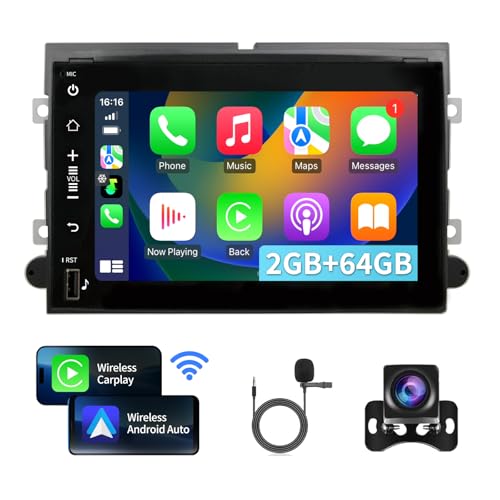
Car Radio for Ford F150 Stereo Upgrade Tesla-Style Touch Screen Audio Wireless Carplay& Android Auto Bluetooth WiFi GPS Backup Camera Head Unit (7 inch f150)
【Custom-Designed for Ford F150】 with Plug-and-Play Installation Upgrade your F150 infotainment system with this specifically designed radio android…
As an affiliate, we earn on qualifying purchases.
As an affiliate, we earn on qualifying purchases.
Frequently Asked Questions
How Does EVV Affect Caregiver Privacy?
EVV can impact your caregiver privacy, but data security measures are in place to protect your information. Your location and visit details are recorded, which might feel intrusive, yet agencies use encryption and strict access controls to keep your data safe. You should be aware of how your information is shared and guarantee your privacy rights are respected. Ultimately, EVV aims to balance accountability with safeguarding your personal and caregiver privacy.
Can EVV Data Be Shared With Third Parties?
Yes, EVV data can be shared with third parties, but only under specific circumstances. Data sharing and third-party access are typically limited by privacy laws and your organization’s policies. You should be aware that your EVV information might be shared with authorized agencies or entities for billing, oversight, or quality assurance. Always review your privacy agreement to understand how your data might be shared or accessed by third parties.
What Are the Troubleshooting Steps for EVV System Issues?
If you encounter EVV system issues, start by checking for system downtime or outages on your provider’s status page. Restart your device and confirm your internet connection is stable. If problems persist, contact user support for assistance. They can help troubleshoot hardware or software problems and guide you through resolving the issue quickly, minimizing disruptions and ensuring accurate visit tracking.
How Is EVV Compliance Monitored by Agencies?
Did you know over 80% of agencies monitor EVV compliance daily? Agencies track your visits through real-time data sharing, guaranteeing caregivers follow schedules and protocols. They balance this with caregiver privacy, so your personal info stays secure while verifying visits. By reviewing reports and audits regularly, agencies ensure you meet EVV requirements, maintaining quality care and accountability without compromising your privacy.
Are There Penalties for EVV Non-Compliance?
Yes, there are penalties for EVV non-compliance. If you don’t follow data security protocols or meet training requirements, agencies can impose fines or sanctions. Non-compliance might also lead to audits or loss of funding. To avoid penalties, guarantee you understand and adhere to EVV regulations, prioritize data security, and complete all required training. Staying compliant helps maintain your agency’s reputation and ensures smooth service delivery.

PILSAMAS WiFi Caregiver Pager Smart Call System – Display Caller ID & App Alerts, No Monthly Fee, IP65 Waterproof Wristband + 2 Call Buttons, Emergency Alert Button for Elderly at Home & Nursing Care
Wi-Fi Smart Hub & 328ft Range: HUB connects to 2.4G Wi-Fi (not 5G) for global APP access. 3…
As an affiliate, we earn on qualifying purchases.
As an affiliate, we earn on qualifying purchases.
Conclusion
Think of Electronic Visit Verification as your trusty GPS on a journey—guiding you smoothly through the landscape of healthcare. It keeps you on track, ensuring every visit is counted and your care remains transparent. While it might seem like a new twist, it’s really a helpful map that leads to better service and accountability. Embrace it with confidence, knowing it’s there to support you every step of the way, lighting your path to reliable care.

Safety+ 4G Medical Alert System: Fall Detection, GPS Location, 24/7 Monitoring, Mobile Caregiver App, Small, Lightweight-Call to Activate Wireless Call Button, Personal Safety, Wearable Panic Button
INCLUDES 1st MONTH + EASY ACTIVATION: Kickstart your Safety+ journey with a simple activation call before use. Get…
As an affiliate, we earn on qualifying purchases.
As an affiliate, we earn on qualifying purchases.
![Express Schedule Free Employee Scheduling Software [PC/Mac Download]](https://m.media-amazon.com/images/I/41yvuCFIVfS._SL500_.jpg)
Express Schedule Free Employee Scheduling Software [PC/Mac Download]
Simple shift planning via an easy drag & drop interface
As an affiliate, we earn on qualifying purchases.
As an affiliate, we earn on qualifying purchases.