

Managing bowel and bladder care after a spinal cord injury involves establishing regular routines, maintaining good nutrition with fiber-rich foods, staying well-hydrated, and using assistive devices as recommended. It’s key to monitor skin health, check for irritation, and practice proper hygiene. Emotional support and open communication with your healthcare team help you adapt routines as needed. Keep exploring strategies to improve your quality of life—more helpful tips await you.
Key Takeaways
- Establish a consistent toileting routine tailored to individual needs to prevent accidents and skin issues.
- Incorporate fiber-rich foods and stay well-hydrated to promote regular bowel movements.
- Use assistive devices and medical guidance, such as catheterization or bowel management programs, for effective bladder and bowel control.
- Maintain skin hygiene and regularly check affected areas for irritation or breakdown, including exfoliation when appropriate.
- Seek psychological support and build a support network to address emotional challenges and enhance adherence to care routines.
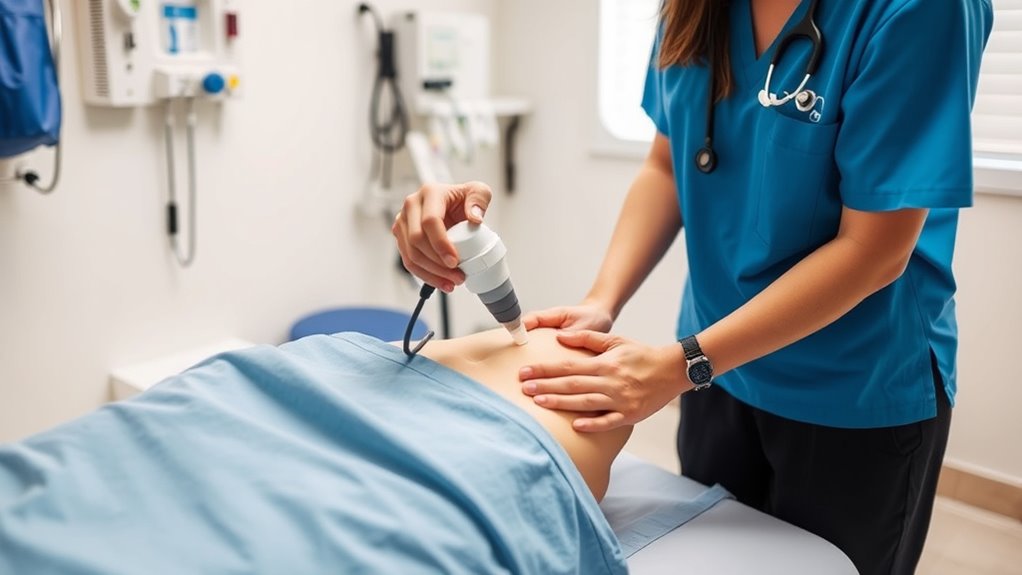
Living with a spinal cord injury often means managing bowel and bladder function carefully to maintain health and quality of life. These routines can be challenging, but with proper strategies, you can minimize discomfort and reduce the risk of infections or complications. One key aspect is nutrition management. Your diet plays a essential role in regulating bowel movements and preventing constipation, which is common among individuals with spinal cord injuries. Incorporate fiber-rich foods like fruits, vegetables, and whole grains into your meals to promote regularity. Staying well-hydrated is equally important, as it helps soften stool and supports overall bodily functions. Avoid excessive intake of processed foods or those high in fats and sugars, which can worsen digestive issues. It’s also beneficial to establish consistent eating times to help your body develop a predictable routine, making bowel management more manageable. Additionally, understanding the role of exfoliation can help you maintain healthier skin in areas affected by bowel and bladder routines, reducing the risk of skin breakdown.
Prioritize fiber, hydration, and routine to support bowel health after a spinal cord injury.
Alongside physical routines, psychological support is indispensable. Living with a spinal cord injury can sometimes lead to feelings of frustration, anxiety, or depression, especially when managing daily tasks like bowel and bladder care. Seeking emotional support through counseling or support groups can provide a safe space to express your feelings and learn coping strategies. Mental well-being directly influences your ability to adhere to routines and stay motivated. Building a support network of friends, family, or caregivers can also make a significant difference, offering encouragement and practical assistance when needed. Remember, you’re not alone in this journey, and maintaining a positive outlook can improve your overall health and resilience.
In addition to diet and emotional health, establishing a structured routine can help you feel more in control of your bowel and bladder management. Regular schedules for toileting, prompted by your healthcare team’s recommendations, can prevent accidents and skin issues. Using assistive devices or aids, like catheterization supplies or bowel management programs, can streamline your daily care and reduce stress. Communicate openly with your healthcare providers about any challenges or changes you notice, as they can adjust your plan to better suit your needs.
Ultimately, managing bowel and bladder health after a spinal cord injury involves a holistic approach. Prioritize good nutrition, seek psychological support, and develop a routine that works for you. With patience, consistency, and a supportive network, you can maintain your health, dignity, and quality of life despite the challenges.

Catheterization Supplies with Swab – (2 Pack)
Disposable use only
As an affiliate, we earn on qualifying purchases.
As an affiliate, we earn on qualifying purchases.
Frequently Asked Questions
How Can I Prevent Skin Breakdown During Bowel and Bladder Care?
To prevent skin breakdown during bowel and bladder care, you should regularly check for pressure sores and keep the skin clean and dry through good skin hygiene. Use gentle handling techniques and avoid prolonged pressure on any area. Change positions frequently and use cushioning to reduce pressure. Ensuring proper skin hygiene helps prevent infections and maintains healthy skin, reducing the risk of pressure sores during these routines.
Are There Specific Exercises to Improve Bowel and Bladder Function?
Did you know that pelvic floor exercises can improve bladder control in up to 80% of people? You should try pelvic floor exercises and bladder training routines regularly. These exercises strengthen the muscles involved in bowel and bladder functions, making it easier to manage your routines. Consistency is key, so incorporate them into your daily schedule for better control and reduced accidents.
What Are Signs of Urinary Tract Infections in Spinal Cord Injury Patients?
You should watch for urinary symptoms like cloudiness, strong or foul-smelling urine, and burning during urination, which indicate infection. You might also notice fever, chills, or lower abdominal pain, all signs of infection indicators. If you experience these symptoms, it’s essential to seek medical attention promptly to prevent complications. Regular monitoring of your urinary patterns helps catch infections early and keeps your bladder health in check.
How Does Diet Affect Bowel and Bladder Management?
Your diet plays a key role in managing bowel and bladder health. Focus on nutritional strategies like high-fiber foods to promote regular bowel movements and avoid constipation. Proper fluid intake management helps prevent urinary tract infections and maintains bladder function. Stay consistent with your diet, drink plenty of water, and avoid irritants like caffeine or alcohol. These steps support smoother bowel and bladder routines, reducing complications and improving your overall comfort.
When Should I Seek Medical Help for Bowel or Bladder Issues?
You should seek medical help immediately if you experience emergency symptoms like severe pain, fever, inability to urinate or have a bowel movement, or if you notice a sudden change in bladder or bowel function. Don’t delay a medical consultation if symptoms worsen or don’t improve with usual care. Prompt attention can prevent complications and make certain of proper management. Call your healthcare provider or go to the emergency room if you’re unsure.

The Devil- Spinal Cord Injuries Awareness Support Ribbon T-Shirt
This spinal cord injuries awareness design is special apparels for family member who are survive spinal cord injuries.
As an affiliate, we earn on qualifying purchases.
As an affiliate, we earn on qualifying purchases.
Conclusion
Remember, managing your bowel and bladder care is essential for your comfort and health. Stay consistent, ask for help if needed, and don’t forget, even in a world full of modern tech, some routines are timeless—like caring for yourself. Just like the wise old owl, who knew the importance of patience and vigilance, you too can navigate these challenges with courage and persistence. Keep at it; your well-being is worth every effort.

Uqora in Control Bladder Support – Daily Bladder Care & Support for Urinary Comfort – Made with botanicals, Like Horsetail & Spicebush – Gluten-Free & Vegetarian – 60 Capsules
Bladder Support Supplement: Supports healthy bladder function to aid against urinary urgency, frequency, and occasional accidents or leaks…
As an affiliate, we earn on qualifying purchases.
As an affiliate, we earn on qualifying purchases.

Essy Electric Foot File Hard Skin Remover with 5 Replacement Rollers Foot File Electric Pedicure Sets Cutters Accessories for Dry Dead Hard Skin Feet Callus Remover for Feet Care Exfoliator (Purple)
Electric foot file essy
As an affiliate, we earn on qualifying purchases.
As an affiliate, we earn on qualifying purchases.