
Post-stroke care focusing on spasticity and neglect involves actively managing muscle stiffness through therapies, exercises, and medications to loosen tight muscles. Addressing neglect requires targeted rehab like visual scanning and attention exercises to improve awareness of your affected side. Consistent treatment, patience, and support can help restore mobility and confidence. Understanding these issues empowers you to take steps toward better recovery—continue exploring ways to optimize your rehabilitation journey.
Key Takeaways
- Managing spasticity involves therapies, exercises, and medications to reduce muscle tightness and improve mobility.
- Regular stretching and physical therapy help loosen muscles affected by post-stroke stiffness.
- Addressing neglect includes targeted rehabilitation, visual scanning exercises, and attention training to enhance spatial awareness.
- Early intervention and consistent therapy improve outcomes for both spasticity and neglect.
- A comprehensive post-stroke care plan supports recovery, independence, and quality of life.
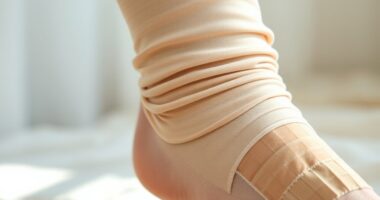
Have you ever wondered what comes after a stroke? It’s a journey filled with challenges, and understanding some of the common issues can help you better manage your recovery. One of the most noticeable problems is muscle stiffness, also known as spasticity. When you experience a stroke, your brain struggles to send proper signals to your muscles, causing them to tighten and become rigid. This stiffness can make movements difficult, slow you down, and even lead to pain or discomfort. You might find that your limbs feel tight or resistant when you try to move them, which can be frustrating and exhausting. Managing muscle stiffness often involves a combination of therapies, exercises, and sometimes medications, all aimed at reducing the tightness and improving mobility. Regular stretching and physical therapy can help loosen those stiff muscles over time, making daily activities easier and more comfortable. Research indicates that targeted interventions can significantly improve outcomes for post-stroke spasticity.
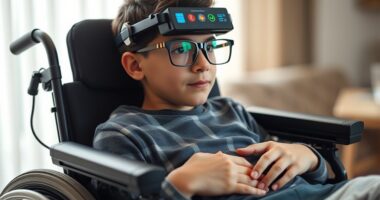
Another significant issue many stroke survivors face is neglect, particularly spatial awareness neglect. It’s not just about physical weakness; it’s about how your brain perceives and interacts with the environment around you. When neglect occurs, you might find yourself unaware of one side of your body or the space around you. For example, you may not notice objects on one side or might bump into things because your brain isn’t registering that side properly. This can be dangerous and affects your independence. You may also ignore your affected limbs, which might seem strange but is common in neglect. Addressing neglect requires targeted rehabilitation, including therapy that encourages you to pay attention to your neglected side and rebuild your spatial awareness. Visual scanning exercises, for instance, can help train your brain to recognize and respond to stimuli on the affected side, gradually restoring some of your awareness. It’s essential to work closely with your healthcare team, who can craft a personalized plan to improve your spatial perception and help you regain confidence in navigating your environment. Engaging in neuroplasticity exercises can further enhance your recovery potential.
Understanding these issues—muscle stiffness and neglect—can empower you to seek appropriate treatment and participate actively in your recovery. It’s a process that takes time and patience, but with the right support, you can make significant progress. Remember, recovery isn’t just about physical healing; it’s about re-establishing your connection with your body and surroundings. By addressing muscle stiffness, enhancing your spatial awareness, and working with your therapists, you’re taking crucial steps toward regaining independence and improving your quality of life after a stroke.
Top picks for "post stroke care"
Open Amazon search results for this keyword.
As an affiliate, we earn on qualifying purchases.
Frequently Asked Questions
How Can Caregivers Support Patients With Spasticity at Home?
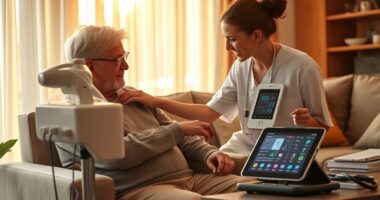
You can support patients with spasticity at home by encouraging regular home exercises that stretch and strengthen affected muscles. Use adaptive devices like splints or braces to improve comfort and function. Assist with gentle massage and positioning to reduce muscle tightness. Make sure they stay consistent with therapy routines, and consult healthcare professionals for personalized strategies. Your support helps manage spasticity and promotes better recovery at home.
Are There Alternative Therapies for Post-Stroke Neglect?
You can explore alternative therapies like virtual reality and sensory stimulation to help with post-stroke neglect. Virtual reality provides immersive exercises that engage your affected side, promoting awareness. Sensory stimulation, such as tactile or visual inputs, can improve your brain’s ability to recognize neglected areas. Incorporate these approaches into your rehab plan, and always consult your healthcare team to guarantee they’re suitable for your specific needs.
What Are the Latest Advancements in Spasticity Treatment?
Oh, the marvels of modern medicine—who knew spasticity could be tamed? You can now get botulinum toxin injections for targeted relief or opt for intrathecal baclofen pumps that deliver medication directly to your spinal cord. These advancements offer more precise, less invasive options, giving you a fighting chance against muscle tightness. So, yes, science is happily elbowing spasticity aside, one injection at a time.
How Is Medication Management Adjusted Over Time?
You should expect medication management to involve regular assessments, leading to dosage changes as needed. Your healthcare provider monitors your response to treatment and adjusts dosages to optimize spasticity control while minimizing side effects. Over time, medication adjustments are made based on your progress, tolerability, and any new symptoms, ensuring your treatment stays effective and safe. Consistent communication with your provider helps tailor the plan to your evolving needs.
Can Post-Stroke Neglect Improve Spontaneously?
Yes, post-stroke neglect can dramatically improve on its own, thanks to neuroplasticity recovery. Your brain is incredible and can rewire itself through sensory retraining, helping you regain awareness of neglected areas. This spontaneous improvement can feel like a miracle, but consistent therapy and engaging activities boost your chances. Keep hope alive—your brain’s capacity to heal is truly astonishing, and with time, progress can be remarkable.
Conclusion
Think of post-stroke care like tending a delicate garden—you need patience, attention, and the right tools. When you address spasticity and neglect early, it’s like pruning dead branches, allowing new growth to flourish. Studies show timely intervention can markedly improve recovery outcomes. Remember Sarah, who struggled with neglect but, with consistent therapy, regained her independence. Your dedication can be the sunlight that helps your loved one’s progress bloom, turning a challenging journey into a hopeful new beginning.