
Proper positioning is key for managing tone and supporting motor development in cerebral palsy. By ensuring correct alignment, you help improve muscle control, reduce stiffness, and prevent contractures. Using assistive devices like braces and cushions offers stability, comfort, and safe movement. Adjusting positioning regularly helps prevent pressure sores and deformities. For better outcomes, tailored strategies can enhance activity participation and foster independence. Keep exploring to discover more ways to optimize positioning and tone management effectively.
Key Takeaways
- Proper positioning supports muscle control, reduces stiffness, and prevents contractures in children with cerebral palsy.
- Assistive devices like braces and cushions help maintain correct alignment and enhance comfort during activities.
- Positioning strategies, such as neutral spine and hip placement, promote motor development and participation.
- Regular adjustments prevent pressure sores, stretch tight muscles, and discourage discomfort or abnormal postures.
- Tailored positioning and devices improve stability, safety, and motor skills, fostering independence and active engagement.

Cerebral palsy often affects muscle tone and movement, making proper positioning essential for managing symptoms and promoting development. When you position someone with cerebral palsy correctly, you help reduce muscle stiffness, prevent contractures, and support their overall motor development. Assistive devices play a critical role in this process, providing stability and alignment that might be difficult to achieve otherwise. These devices, such as braces, cushions, and specialized seating systems, can be tailored to meet individual needs, ensuring comfort while encouraging healthier movement patterns.
Proper positioning and assistive devices support muscle control, prevent deformities, and promote development in children with cerebral palsy.
Good positioning isn’t just about comfort; it’s about fostering motor development. Proper alignment allows for better muscle control and coordination, which can help the individual reach developmental milestones more effectively. For example, supportive seating can help a child sit upright, enabling them to engage more with their environment, reach for objects, and participate in activities that enhance their skills. When you use assistive devices correctly, you’re not only supporting current motor function but also laying the groundwork for future growth and independence.
You should pay close attention to the child’s posture throughout the day. Maintaining a neutral spine, supporting the head, and ensuring hips and knees are positioned correctly can make a significant difference. For children with spasticity or abnormal muscle tone, positioning strategies help stretch tight muscles and prevent deformities. Regularly adjusting their position prevents pressure sores and discomfort, which can discourage participation and further impact motor development.
Incorporating assistive devices tailored to the individual’s needs can make daily routines more effective. For example, a well-fitted wheelchair with supportive cushions can provide stability during long periods of sitting, while adapted seating systems help maintain proper alignment during play and learning. When you choose and adjust these devices thoughtfully, you promote safer movement, reduce fatigue, and support the child’s ability to explore their surroundings. This active engagement is essential for advancing motor skills and confidence.
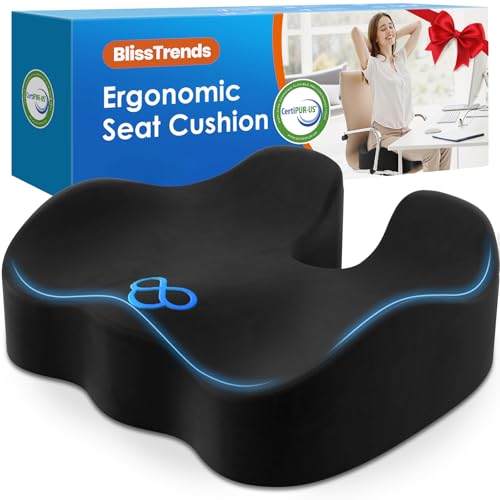
BlissTrends Seat Cushion,Thick Memory Foam Cushions for Office Chair, Car Seat, Airplane, Relieving Pressure Tailbone Sciatica Back Pain for Long Sitting Office Workers, Car Drivers 4.7in Thick Black
Ergonomic Tailbone & Pressure Relief Design — Strategically shaped cushion helps relieve sciatica, tailbone pain, hip pressure and…
As an affiliate, we earn on qualifying purchases.
As an affiliate, we earn on qualifying purchases.
Frequently Asked Questions
How Early Can Positioning Interventions Be Started for Cerebral Palsy?
You can start positioning interventions as early as possible, often within the first few months of life. Early intervention is essential because it supports your child’s developmental milestones and helps prevent complications like contractures. By actively working on positioning from an early age, you encourage proper muscle tone and alignment, promoting better motor development. The sooner you begin, the better the outcomes for your child’s growth and overall development.
Are There Specific Positions That Can Prevent Muscle Contractures?
Think of your child’s muscles as delicate gardens needing careful tending. Specific positions, like gentle stretching routines and the use of orthopedic devices, can help prevent muscle contractures from taking root. Keep their limbs aligned, avoiding positions that promote tightness. Regularly move and stretch, nurturing flexibility like watering a plant. These proactive steps form a protective shield around their muscles, helping them stay limber and healthy over time.
How Do Tone Management Strategies Vary Across Different Cerebral Palsy Types?
You’ll find tone management strategies vary across cerebral palsy types by focusing on improving muscle flexibility and postural stability. For spastic CP, you might use stretching and medications to reduce muscle tightness. In dyskinetic CP, sensory integration helps regulate tone. Across all types, tailored exercises and positioning support maintain muscle flexibility, promote postural stability, and prevent contractures. Your approach should adapt to each individual’s tone patterns for ideal control and comfort.
Can Positioning Techniques Improve Speech and Swallowing Functions?
Positioning techniques can indeed improve your speech and swallowing functions. By working with speech therapy and incorporating targeted swallowing exercises, you help optimize your head and neck posture, making it easier to produce sounds and swallow safely. Proper positioning reduces muscle tension and enhances airway stability, which supports clearer speech and more effective swallowing. Consistently applying these strategies can lead to significant improvements in your communication and nutrition.
What Role Do Caregivers Play in Maintaining Proper Positioning Routines?
You play a crucial role in maintaining proper positioning routines by consistently implementing techniques and using assistive devices as recommended. Your caregiver training helps you understand how to position the individual correctly, ensuring comfort and preventing complications. Regularly checking and adjusting their position supports their overall health and enhances functions like speech and swallowing. Your active involvement makes a significant difference in their well-being and development.

BraceAbility Toe Walking Braces for Kids – Patented Pediatric Foot Supports To Prevent Tip Toe Walking, Cerebral Palsy Equipment, Autism, ADHD, Aspergers, Youth Neurological Disorders (XS – Pair)
Wide range of sizes available: To choose your size, measure using a flexible measuring tape and refer to…
As an affiliate, we earn on qualifying purchases.
As an affiliate, we earn on qualifying purchases.
Conclusion
Understanding positioning and tone in cerebral palsy can transform challenges into moments of connection. While muscle tone may seem like an obstacle, proper positioning creates opportunities for comfort and growth. It’s a reminder that even in struggles, there’s hope for progress and joy. You have the power to make a difference—turning everyday routines into empowering experiences. In each small adjustment, you foster resilience, proving that with care, every moment can be filled with potential and love.

AUVON Gel Wheelchair Seat Cushion, Relieve Sciatica, Back, Coccyx, Pressure Sore and Ulcer Pain, Refreshing Ergonomic Chair Cushion with Waterproof Silk Fabric, Anti-Slip Cover
Long-sitting without Stuffiness: This seat cushion features a larger gel coverage measuring 16.4"L x 14.9"W with 3X thicker…
As an affiliate, we earn on qualifying purchases.
As an affiliate, we earn on qualifying purchases.

EazyHold Yellow Silicone Easy Grip Device, Universal Cuff for Hand Therapy, Autism, Limb Loss, Cerebral Palsy, ALS, Special Needs, Pediatric Stroke, Adaptive Handle Daily Mobility Aid 2-Pack 4"
UNIVERSAL CUFF – Fits tiny kids hands or adult finger or two and smaller objects such as Thin…
As an affiliate, we earn on qualifying purchases.
As an affiliate, we earn on qualifying purchases.