

Medication reminders prompt you to take your medicine on time, acting as helpful prompts to stay on schedule. However, administration involves the correct way to actually consume or apply your medication, ensuring you take the right dose and follow instructions. Confusing these can lead to missed doses or incorrect use, reducing effectiveness or causing side effects. If you want to understand how to distinguish and properly handle both, keep exploring the details.
Key Takeaways
- Reminders prompt you to take medication on time, while administration involves the actual process of taking it correctly.
- Reminders help maintain a medication schedule but do not ensure proper dosage or technique.
- Proper administration requires verifying the correct dose, method, and instructions for effective treatment.
- Confusing reminders with administration can lead to missed doses or incorrect intake, affecting health outcomes.
- Best practices involve using reminders to prompt and verifying correct administration to maximize medication efficacy.
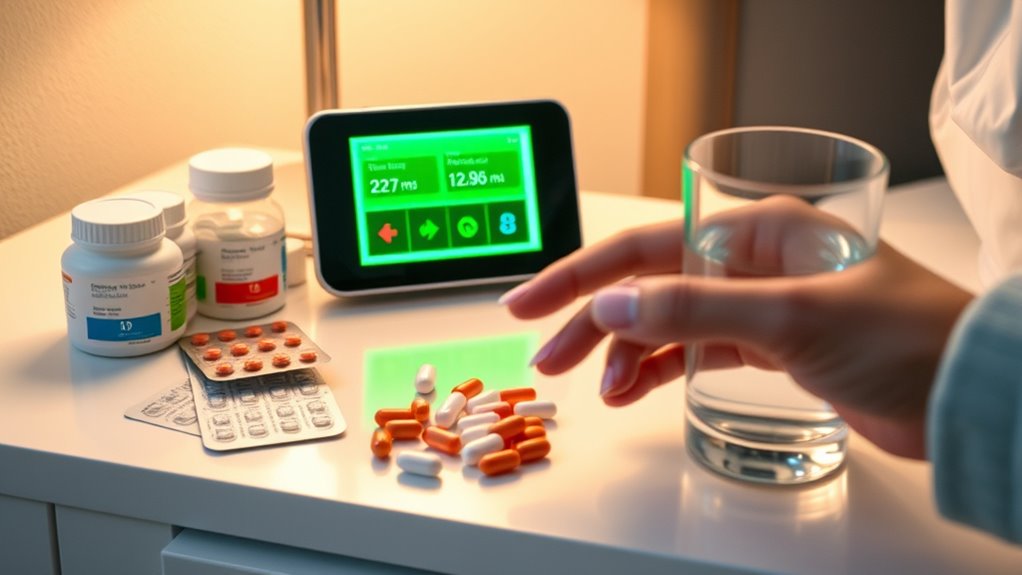
When managing medications, understanding the difference between reminders and administration is vital for guaranteeing proper adherence. While both are essential components of a successful medication routine, they serve different purposes. Reminders help you stay on track by alerting you when it’s time to take your medication, but they don’t actually guarantee that you take the pill correctly. Administration, on the other hand, involves the actual process of taking the medication properly, which includes measuring the right dose and ensuring correct technique. If you confuse these two, you might miss doses or take too much, risking decreased pill adherence or compromised dosage accuracy.
Pill adherence relies heavily on timely reminders. Whether you use alarms, apps, or pill organizers, reminders act as prompts that keep your medication schedule consistent. They’re especially useful when managing multiple medications or complex routines. But reminders alone aren’t enough; they’re only the first step. Once the alarm sounds, you need to confirm that you’re taking the correct dose and following the proper method of administration. That’s where understanding the importance of dosage accuracy comes in. Taking less than the prescribed amount might render the medication ineffective, while taking more could lead to adverse effects. Proper administration entails knowing how to take your medication—whether swallowing a pill, using a nebulizer, or applying topical creams—and doing so in a way that maintains medication efficacy. Incorporating proper medication techniques can significantly improve health outcomes by ensuring the medication works as intended.
It’s tempting to rely solely on digital reminders or alarms, but neglecting the actual administration process can undermine your treatment. For example, if you forget to drink water with a pill or don’t follow specific instructions for timing, your medication might not work as intended. Ensuring dosage accuracy is vital because even small deviations can impact your health outcomes. To optimize both, you should verify that you understand how to take your medication correctly, including whether it requires food, specific timing, or special handling. When your reminders alert you, pause to double-check that you’re prepared to administer the medication properly.

TabTime Pill Reminder with 8 Alarms per Day, Pill Tracker, Pill Timer, Medication Reminder Devices, Medication Tracker, Essential Parkinson's Patient Gadget
"Eight independently set alarms: Enjoy the convenience of an alarm clock with multiple alarms that go off at…
As an affiliate, we earn on qualifying purchases.
As an affiliate, we earn on qualifying purchases.
Frequently Asked Questions
How Do Medication Reminders Improve Patient Compliance?
Medication reminders boost your compliance by reinforcing behavioral motivation and supporting adherence strategies. They prompt you to take medications on time, reducing forgetfulness and making it easier to stick to your treatment plan. By providing timely alerts, these reminders help you stay organized, accountable, and consistent, ultimately improving your health outcomes. They serve as effective tools to motivate you and reinforce the importance of following your prescribed medication schedule.
What Are the Key Differences Between Reminders and Direct Administration?
Think of reminders as gentle nudges that keep your pill adherence on track, boosting your patient memory. They prompt you to take your medication but don’t directly give it to you. Direct administration, however, is like handing you the medication itself—timely, precise, and hands-on. The key difference is that reminders support your memory, while administration involves the healthcare provider actively delivering the treatment.
Can Reminders Replace Professional Medical Administration Entirely?
Reminders can’t substitute professional medical administration entirely because automated tracking and behavioral incentives are essential for safety and accuracy. While reminders help you stay on schedule, they lack the oversight needed for complex or critical medications. Professionals ensure proper dosage and handle emergencies. Relying solely on reminders might lead to missed doses or errors, so always consult healthcare providers for proper administration, especially for serious or complicated treatments.
What Technologies Are Most Effective for Medication Reminders?
Think of digital alerts and wearable devices as your guiding stars, lighting your path to consistent medication intake. These tools are highly effective because they provide timely reminders, keeping you on track no matter where you are. Wearable devices, like smartwatches, vibrate or beep, ensuring you never miss a dose. Embracing these technologies helps you stay organized and in control, making medication management more reliable and less stressful.
How Do Reminders Impact Medication Safety and Error Reduction?
Reminders boost medication safety and reduce errors by supporting your independence with digital adherence tools. They prompt you to take the right dose at the right time, minimizing forgetfulness. As a result, you’re more consistent with your medication schedule, which lowers the risk of adverse effects or interactions. By enhancing your adherence, reminders help you manage your health more effectively, giving you confidence and peace of mind.
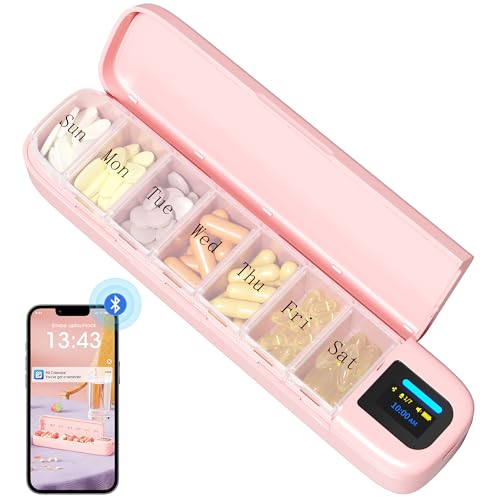
Daviky Automatic Pill Dispenser, Smart Pill Organizer with Alarm, Pill Box 7 Day with APP, Weekly Travel Pill Case, Portable Pill Reminder for Medicines, Supplements and Vitamins (Pink)
【Never Miss a Pill】: Our automatic pill dispenser ensures you never forget to take your medication. With smart…
As an affiliate, we earn on qualifying purchases.
As an affiliate, we earn on qualifying purchases.
Conclusion
Remember, medication reminders are like gentle nudges guiding you, but they aren’t the same as actually taking your medicine. Think of reminders as signposts on your journey—they keep you on track, but it’s your action that moves you forward. Stay attentive and committed; don’t let the signs be the only thing leading you. Ultimately, your dedication turns reminders into real health benefits, transforming good intentions into the anchor of your well-being.

28-Day(1X) Automatic Pill Dispenser (Expandable Tray) – App & On-Device Setup by Family, LCD Display, Digital Lock, Sound & Light Alerts- Safe Medication Organizer for Dementia Seniors(2-Tray, White)
Easy Remote Care for Loved Ones: Help your loved one take medicine on time—even when you're far away….
As an affiliate, we earn on qualifying purchases.
As an affiliate, we earn on qualifying purchases.

MEDICATION ADMINISTRATION EXAM (QMAP)
As an affiliate, we earn on qualifying purchases.
As an affiliate, we earn on qualifying purchases.