
To prevent infections in client homes, focus on thorough sterilization of surfaces, tools, and equipment you contact. Use appropriate PPE like gloves and masks, changing them between tasks to avoid cross-contamination. Practice good hand hygiene by washing or sanitizing your hands regularly, especially after touching surfaces or removing PPE. Educate clients on maintaining cleanliness and proper hygiene routines. Consistent environmental sanitation and understanding proper sterilization techniques help keep both clients and yourself safe; there’s more to explore on these important practices.
Key Takeaways
- Regularly clean and disinfect high-touch surfaces, tools, and equipment using EPA-approved disinfectants.
- Properly use, don, and doff PPE to prevent cross-contamination between clients and tasks.
- Sterilize medical instruments and reusable supplies following established infection control procedures.
- Practice thorough hand hygiene before and after client contact and after handling surfaces or PPE.
- Educate clients on maintaining cleanliness and proper hygiene to support ongoing infection prevention efforts.
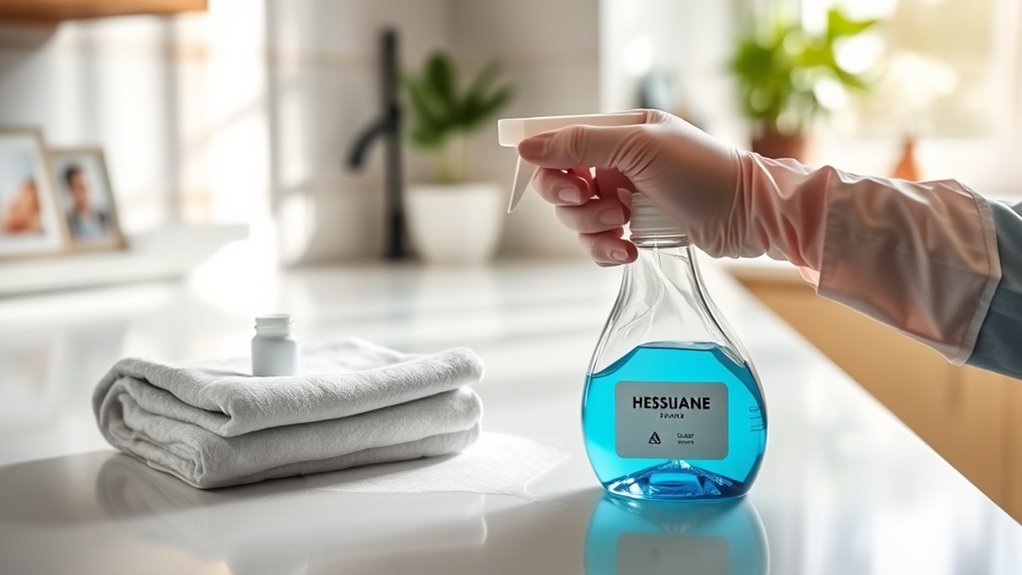
Keeping client homes safe from infections is a critical part of providing quality care, especially since many germs can spread easily in a household setting. To minimize this risk, you need to prioritize effective home sterilization practices. This involves thoroughly cleaning and disinfecting surfaces, tools, and equipment that come into contact with your clients. Regularly cleaning high-touch areas like doorknobs, light switches, and countertops reduces the presence of bacteria and viruses. Using EPA-approved disinfectants guarantees maximum effectiveness. Additionally, sterilizing medical instruments and reusable supplies is essential, especially for procedures involving invasive contact. Proper sterilization not only prevents cross-contamination but also reassures clients that their environment is safe.
Equally important is the consistent use of personal protective equipment (PPE). PPE acts as a barrier between you and potential pathogens, protecting both you and your clients. Depending on the situation, you might wear gloves, masks, gowns, or eye protection. Always assess the level of risk and select appropriate PPE accordingly. When caring for clients with infectious diseases, donning the right PPE becomes even more critical. Proper donning and doffing techniques help prevent contamination, so make sure you’re trained to do it correctly. Remember to change PPE between tasks or clients when necessary, and dispose of it properly in designated biohazard containers. This minimizes the chance of spreading germs from one area to another.
In addition to using PPE and sterilizing surfaces, hand hygiene is a cornerstone of infection prevention. Wash your hands thoroughly with soap and water or use an alcohol-based sanitizer before and after client contact, after touching surfaces, and after removing PPE. This simple practice drastically cuts down the spread of germs. Be vigilant about maintaining a clean environment by regularly laundering linens, towels, and clothing that may carry infectious agents. Educate your clients on maintaining cleanliness as well, reinforcing that infection prevention is a team effort.
Frequently Asked Questions
How Often Should Cleaning Supplies Be Replaced in Client Homes?
You should replace cleaning supplies regularly based on your cleaning schedule and supply inventory. Typically, cleaning cloths and sponges should be replaced weekly or sooner if they show wear or odor. Disinfectants and other liquids need to be checked frequently and substituted when expired or if their effectiveness diminishes. Maintaining a consistent cleaning schedule ensures supplies are fresh and effective, helping you keep the client’s home safe and hygienic.
What Are the Best Ways to Prevent Cross-Contamination Between Clients?
To prevent cross-contamination between clients, you should always practice strict hand hygiene and use personal protective equipment (PPE) appropriately. Wash your hands thoroughly before and after each client, and change gloves and other PPE between visits. Make certain surfaces and equipment are disinfected after each use. These steps help reduce the risk of spreading infections and keep both clients and yourself safe during home visits.
How Can Staff Be Trained Effectively on Infection Control Protocols?
Think of training staff like teaching someone to ride a bike; hands-on training is essential. You should combine practical exercises with real scenarios, guaranteeing they understand protocols thoroughly. Regular competency assessments help identify gaps and reinforce learning. For example, after a hands-on session, staff confidently cleaned a mock client space, demonstrating their skills. Consistent, interactive training ensures everyone stays competent and follows infection control protocols effectively.
Are There Specific Disinfectants Recommended for Different Surfaces?
You should choose disinfectants based on surface-specific cleaning needs. For example, use EPA-registered disinfectants effective against viruses and bacteria for high-touch areas like doorknobs and light switches. For softer surfaces like upholstery, opt for products designed for fabric. Always read labels for surface compatibility and contact time. Proper disinfectant selection guarantees thorough cleaning and reduces infection risks, keeping your clients safe and healthy.
How Should Waste and Biohazard Materials Be Safely Disposed Of?
You must handle waste and biohazard materials with utmost care, because improper disposal can pose serious risks. Always follow proper waste disposal procedures and use designated biohazard containers for sharps, contaminated materials, and fluids. Wear gloves, seal the containers tightly, and label them clearly. Never discard biohazard waste in regular trash—this essential step in biohazard handling protects everyone’s health and prevents dangerous exposure.
Conclusion
While it might seem simple to keep a home clean, neglecting infection prevention can turn your sanctuary into a hidden hazard. Ironically, the very spaces meant for comfort can become breeding grounds if you overlook basic precautions. So, next time you think a quick tidy-up is enough, remember: a little extra effort now can save you from unexpected health surprises later. After all, isn’t it worth protecting your haven—before infection takes hold?