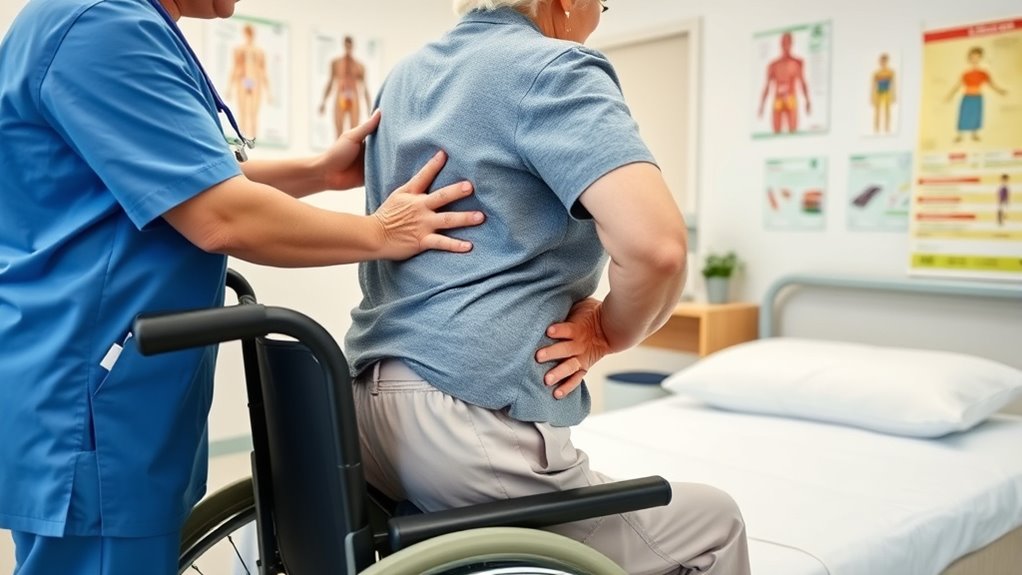

When you learn proper lifting and transfer techniques, you guarantee safety for both yourself and the person you’re caring for. Use assistive devices correctly, maintain a stable stance, and keep your back straight while lifting with your legs. Always assess the person’s mobility and communicate clearly throughout the process. Regular training helps you build confidence and reduces the risk of injury. Keep exploring to discover more essential safety tips and best practices for caregiving tasks.
Key Takeaways
- Provide comprehensive training on proper lifting and transfer techniques to ensure safety for caregivers and individuals.
- Use and inspect assistive devices correctly, selecting appropriate tools based on individual needs.
- Follow safety protocols, maintain good body mechanics, and communicate clearly during transfers.
- Regularly practice emergency procedures, including first aid and CPR, to ensure preparedness.
- Maintain a safe environment by inspecting equipment and ensuring emergency tools are accessible and functional.

Ensuring safety is a critical part of caregiving, and proper training is essential to achieve it. When it comes to lifting and transferring individuals, understanding and applying correct techniques can prevent injuries to both you and the person you’re caring for. One of the first steps is familiarizing yourself with assistive devices, which are designed to make transfers safer and easier. Devices like transfer belts, slide sheets, and patient lifts can reduce physical strain and help maintain proper body mechanics during transfers. Knowing how and when to use these tools is crucial; improper use can lead to accidents or discomfort. Regular training sessions should cover how to select the appropriate assistive device for each situation and ensure it’s in good working condition before use.
In addition to mastering assistive devices, a thorough understanding of emergency procedures is fundamental. Emergencies can happen unexpectedly, so you need to be prepared to respond swiftly and correctly. This includes knowing how to summon emergency services, provide first aid, and perform CPR if necessary. Practicing these procedures regularly ensures you’re confident and can act decisively during a real crisis. Part of emergency preparedness involves clear communication and coordination with other caregivers, the individual, and emergency responders. Having a plan in place for different scenarios, such as falls, sudden medical episodes, or equipment failure, can make a critical difference in outcomes.
When lifting or transferring, always assess the person’s mobility level and comfort. Use assistive devices properly, making sure they are positioned correctly and secured if needed. Maintain a stable stance, keep your back straight, and avoid twisting your torso. Use your leg muscles to lift, not your back, and communicate clearly with the individual to ensure cooperation. Proper technique minimizes strain and reduces the risk of injury. Additionally, familiarize yourself with safety protocols specific to your caregiving environment. Regularly inspecting assistive devices for damage and ensuring emergency equipment, like first aid kits and communication devices, are accessible and functional, helps maintain a safe environment. Proper training on how to operate and maintain these tools is essential for safety.
Training should also include recognizing signs of distress or discomfort during transfers, so you can respond immediately. Encourage the individual to express any pain or unease, and stop if necessary. Remember, safety isn’t just about following procedures but also about staying vigilant and attentive to the person’s needs and your own limits. By combining knowledge of assistive devices, emergency procedures, and proper lifting techniques, you create a safer, more confident caregiving environment. This approach not only protects your health but also promotes dignity and comfort for those in your care.
Frequently Asked Questions
How Often Should Caregivers Receive Refresher Training on Lifting Techniques?
You should schedule refresher courses on lifting techniques every six months to guarantee ongoing safety and proper methods. Regular training updates help you stay current with best practices, reduce injury risk, and reinforce correct techniques. The right training frequency depends on your work environment and the complexity of tasks. Consistent refresher courses keep your skills sharp and promote a safe, confident approach to lifting and transferring clients.
What Equipment Can Assist With Safe Patient Transfers?
Did you know that using proper equipment can reduce caregiver injury risk by up to 70%? You can use patient harnesses to support safe transfers, especially for patients with limited mobility. Transfer sheets are also essential; they help slide or lift patients with minimal effort. These tools make transfers safer for both you and your patients, reducing strain and preventing accidents during caregiving tasks.
How Do I Handle Patients With Unique or Challenging Mobility Needs?
When handling patients with unique or challenging mobility needs, you should evaluate their specific condition and use assistive devices like gait belts, transfer boards, or hoists. Apply adaptive techniques tailored to their abilities, such as modified transfer positions or supportive strategies. Always communicate clearly, guarantee the environment is safe, and seek assistance if needed to prevent injury and promote comfort during transfers.
Are There Legal Requirements for Caregiver Safety Training?
Yes, there are legal requirements for caregiver safety training to guarantee legal compliance and reduce liability concerns. You must complete mandated training programs that cover proper lifting and transfer techniques, patient handling, and safety protocols. Failing to meet these standards can lead to legal penalties and increased liability. Staying up-to-date with your training not only protects your patients but also shields you and your organization from potential legal issues.
How Can Caregivers Prevent Injuries During Transfers in Tight Spaces?
Think of transferring someone in a tight space as steering a narrow river. You stay centered, using proper body mechanics to maintain balance, avoiding environmental hazards like clutter or uneven surfaces. Keep your footing stable, bend your knees, and lift with your legs, not your back. By staying alert to surroundings and applying correct techniques, you minimize injury risks for both you and your patient.
Conclusion
Remember, mastering proper lifting and transfer techniques isn’t just about following steps—it’s about safeguarding lives, including your own. Every move you make can either prevent or cause injury. But the real question is: are you truly prepared for the unexpected? As you hone your skills, consider this—what could happen if you let your guard down? Stay vigilant, stay confident, and never underestimate the power of safe practices. Your actions could be the difference between harm and hope.