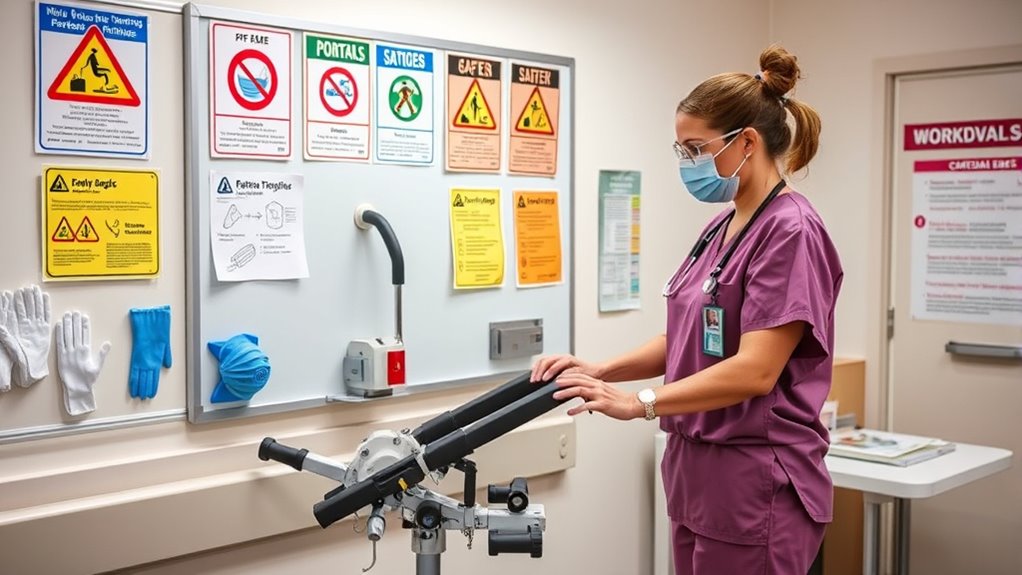

To follow OSHA guidelines as a caregiver, prioritize safety by conducting ergonomic assessments and establishing clear emergency protocols. Regularly evaluate your workspace for hazards, guarantee emergency exits and first aid kits are accessible, and practice drills often. This proactive approach protects both you and those you care for while promoting a safe environment. Staying committed to these safety practices helps you respond effectively during emergencies and continually improve workplace safety. Keep exploring to discover more tips to enhance your safety measures.

Get comfort and care essentials delivered free — and shop member deals
- Fast, free delivery on millions of items
- Access to Prime Big Deal Days deals on October 6–7
- Prime Video, Amazon Music and more included
Key Takeaways
- OSHA guidelines emphasize ergonomic assessments to prevent musculoskeletal injuries among caregivers.
- Clear emergency protocols, including evacuation and first aid procedures, are essential for caregiver safety.
- Regular safety training and drills ensure caregivers respond effectively during emergencies.
- Continuous review and updates of safety procedures promote a proactive, safe caregiving environment.
- Implementing holistic safety practices, like proper hydration and equipment maintenance, enhances overall caregiver well-being.
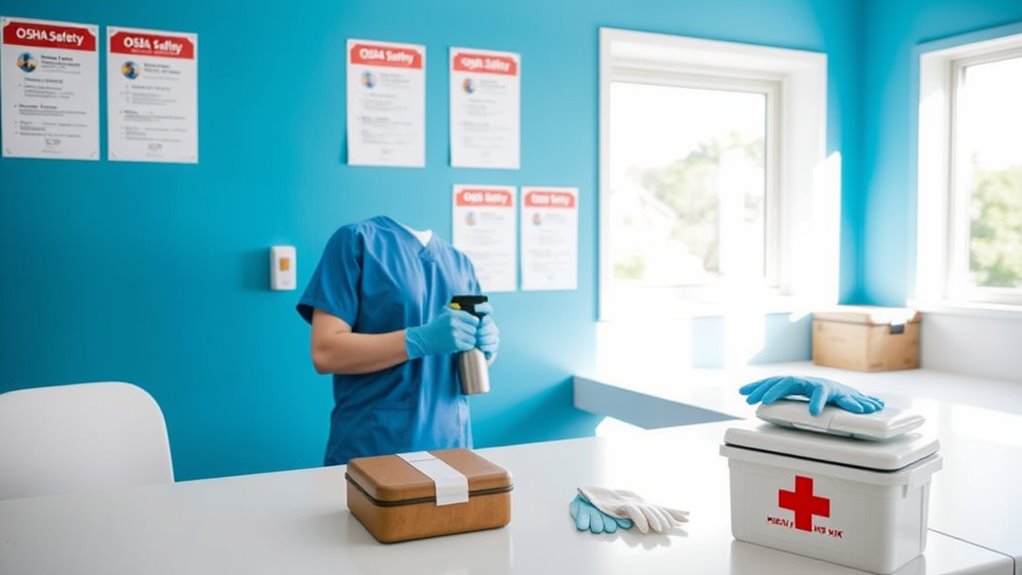
Ensuring workplace safety is essential for protecting employees and maintaining productivity. As a caregiver or someone responsible for a caregiving environment, understanding how to implement effective safety measures is crucial. OSHA guidelines provide a solid foundation for creating a safe workspace, emphasizing the importance of ergonomic assessments and emergency protocols. These elements help prevent injuries and ensure that everyone knows how to respond effectively during emergencies.
Ergonomic assessments are a key component of workplace safety, especially for caregivers who often perform physically demanding tasks. When you evaluate workstations, you identify potential hazards that could lead to musculoskeletal disorders or repetitive strain injuries. Simple adjustments, like proper chair height, correct keyboard placement, or supportive footwear, can markedly reduce strain. Regular ergonomic assessments ensure that your workspace adapts to changing needs and that employees are working in a way that minimizes injury risk. These evaluations not only promote comfort but also boost productivity by reducing fatigue and discomfort, allowing caregivers to focus more on their tasks.
Regular ergonomic assessments reduce injury risk and boost comfort, helping caregivers stay focused and productive.
Emergency protocols are equally essential and must be clearly defined, communicated, and regularly practiced. When a crisis occurs—be it a medical emergency, fire, or natural disaster—you want every team member to respond swiftly and effectively. OSHA recommends developing thorough emergency protocols that include evacuation procedures, first aid responses, and communication plans. Training staff on these protocols ensures everyone knows their role and reduces confusion during high-stress situations. Keep emergency exits unobstructed, maintain accessible first aid kits, and conduct regular drills to reinforce these procedures. The goal is to create a culture of preparedness where emergencies are managed calmly and efficiently, safeguarding both employees and those in your care.
Incorporating OSHA guidelines into your daily operations involves more than just posting notices or conducting sporadic training. It requires a proactive approach—regularly reviewing and updating safety procedures, conducting ergonomic assessments, and practicing emergency protocols. Doing so demonstrates your commitment to a safe environment and reduces the likelihood of accidents. Remember, safety isn’t a one-time effort; it’s an ongoing process that adapts as your workspace and team evolve. By prioritizing ergonomic assessments and emergency preparedness, you create a workplace where caregivers can perform their duties confidently and safely, ultimately improving overall well-being and care quality. Additionally, understanding the benefits of cold-pressed vegetable juice can contribute to caregiver health by promoting hydration and nutrient intake, which are vital for sustained energy during demanding shifts.
ergonomic office chair for caregivers
As an affiliate, we earn on qualifying purchases.
As an affiliate, we earn on qualifying purchases.
Frequently Asked Questions
How Often Should Caregivers Review OSHA Safety Protocols?
You should review OSHA safety protocols at least annually and more often if updates occur. Regular training refreshers help you stay current, and conducting safety audits guarantees compliance and identifies areas for improvement. Staying proactive with these reviews reduces risks, keeps both you and those you care for safe, and ensures you’re always prepared to handle emergencies effectively. Consistent review is essential for maintaining a safe care environment.
Are OSHA Guidelines Applicable to Home-Based Caregiving?
Yes, OSHA guidelines can apply to home-based caregiving, especially when it involves hazards related to home safety and caregiver responsibilities. You should assess risks and implement safety measures similar to workplace standards to protect both yourself and your care recipient. While OSHA mainly governs workplaces, following its principles helps you create a safer environment at home, reducing accidents and ensuring proper care. Regularly review safety protocols to stay compliant and proactive.
What Are the Penalties for OSHA Violations in Caregiving Settings?
You could face significant penalties for OSHA violations in caregiving settings, including hefty fines and potential shutdowns. Penalty severity varies based on violation seriousness, emphasizing the need for strict compliance strategies. To avoid these penalties, prioritize training, maintain proper safety protocols, and regularly review OSHA guidelines. Staying proactive in safety measures not only helps you comply but also protects your clients and your license to operate.
How Can Caregivers Access OSHA Training Resources Easily?
You can access OSHA training resources easily online, with many free courses focusing on infection control and proper use of personal protective equipment. Did you know that proper training reduces workplace injuries by 50%? To get started, visit OSHA’s website or local occupational safety offices. These resources help you stay compliant, improve safety, and protect both yourself and your patients efficiently.
Does OSHA Provide Resources for Emergency Preparedness in Caregiving?
Yes, OSHA provides resources for emergency preparedness in caregiving. You should focus on developing an emergency plan that includes risk assessment and clear procedures. OSHA offers guidelines and training materials to help you understand how to prepare for various emergencies, like medical crises or natural disasters. By using these resources, you can guarantee your environment is safer and you’re better equipped to respond effectively during emergencies.
Conclusion
By embracing OSHA guidelines, you gently weave safety into your daily routine, creating a sanctuary where well-being quietly thrives. Your commitment to these resources guarantees a harmonious environment, subtly fostering confidence and trust. Remember, prioritizing safety is like tending a delicate garden—each mindful action nurtures resilience and peace. In this mindful approach, you pave the way for a more secure, supportive workplace where everyone can flourish, even in the quietest moments.
Cold & flu season Picks
humidifiers
As an affiliate, we earn on qualifying purchases.