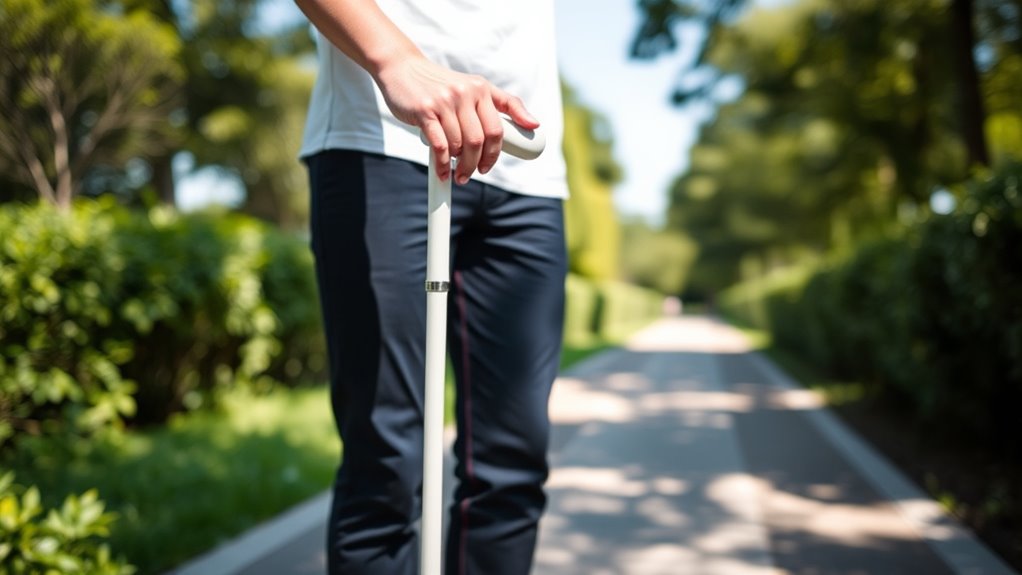

To use a cane safely, first adjust its height so that the top reaches your wrist crease with your arm relaxed and slightly bent. Hold the handle firmly but comfortably, maintaining a relaxed grip to avoid fatigue. When walking, place the cane slightly ahead and shift weight onto it as you step with your weaker leg, keeping a straight posture. Mastering proper height and technique is key—keep going to discover more tips for safer use.
Key Takeaways
- Adjust the cane so the top reaches your wrist crease with a slight elbow bend for proper support.
- Hold the cane firmly but comfortably, maintaining a relaxed grip to ensure control and prevent fatigue.
- Place the cane slightly ahead and on the stronger side, shifting your weight onto it during steps.
- Keep your shoulders relaxed and walk with small, deliberate steps for stability and balance.
- Regularly inspect the cane for damage and ensure it is properly maintained for safe use.
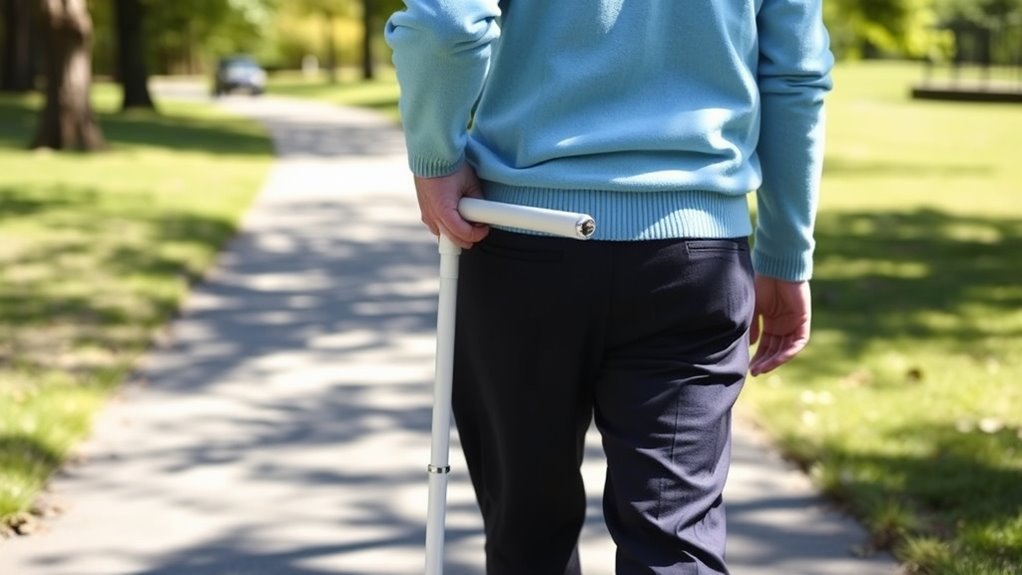
Using a cane safely is vital for maintaining your balance and preventing falls. When you start using a cane, one of the most important steps is making sure it’s adjusted to the correct height. A cane that’s too long or too short can throw off your balance, making you more vulnerable to accidents. To get the right fit, stand up straight with your arms relaxed at your sides. The top of the cane should reach the crease of your wrist when your arm is extended comfortably. This height allows your elbow to bend slightly, around 15 to 20 degrees, providing ideal support during movement. Proper height adjustment is essential because it helps you maintain a natural gait and reduces strain on your joints. Remember, a poorly fitted cane can cause uneven weight distribution, increasing the risk of falls. Ensuring your cane is in good condition and free of damage is also crucial for safe use.
Once your cane is at the right height, focus on your grip techniques. How you hold the cane impacts your stability and confidence while walking. Wrap your hand firmly but comfortably around the handle, keeping your grip relaxed enough to avoid fatigue. Your grip should be secure enough that the cane won’t slip from your hand, but not so tight that your hand gets tense or sore. When walking, place the cane slightly ahead of your body and shift your weight onto it as you step forward with your weaker leg. This technique distributes your weight evenly and provides greater balance. If you’re using the cane on uneven surfaces or stairs, adjust your grip accordingly for extra control. Practice gripping the cane with a firm, steady hold, avoiding gripping it too tightly, which can cause unnecessary tension and fatigue.
Balance adjustment is key to using a cane effectively. As you walk, stay attentive to your posture and how the cane feels beneath your hand. If you notice any wobbling or discomfort, recheck your height and grip. Your body should feel supported without feeling strained. Keep your shoulders relaxed, and don’t lean heavily on the cane; it’s a support tool, not a crutch. Always place the cane on the stronger side of your body for better stability, and take small, deliberate steps to maintain control. Regularly inspecting your cane for wear and tear ensures it remains safe to use. Properly adjusting your cane’s height and mastering grip techniques will help you walk more securely, giving you confidence and independence while reducing the risk of falls. Additionally, understanding the importance of regular maintenance can extend the lifespan of your cane and ensure safety.
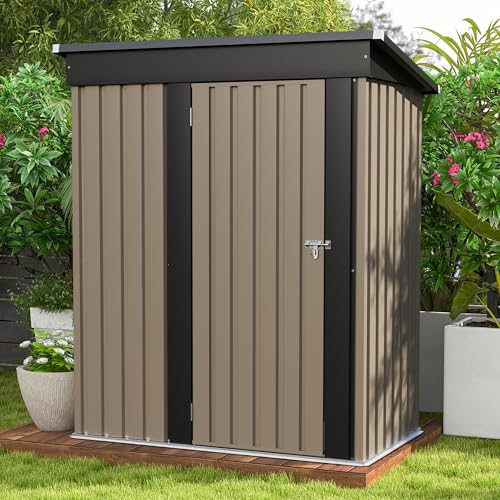
Patiowell 5x3 FT Outdoor Storage Shed, Tool Shed with Sloping Roof and Lockable Door, Metal Shed for Backyard Garden Patio Lawn, Brown
Multiple Uses: The Patiowell compact storage room is versatile, fitting perfectly in your backyard, garden, or anywhere you...
As an affiliate, we earn on qualifying purchases.
Frequently Asked Questions
How Often Should I Replace My Cane for Safety?
You should replace your cane when it shows signs of wear or damage, typically every 6 to 12 months. Regular cane maintenance is essential for safety, so check the rubber tip for wear and make sure the shaft isn’t bent or cracked. Follow safety tips by inspecting your cane frequently, especially if you notice instability or difficulty walking. Replacing it promptly keeps you safe and maintains proper support.
Can I Use a Cane on Uneven Terrain Safely?
A stitch in time saves nine, so use your cane carefully on uneven terrain. Always check your cane’s grip ergonomics for stability, and hold it firmly for better balance. Adjust your stride and take small, deliberate steps. When not in use, store your cane properly to prevent damage. With these tips, you can navigate uneven surfaces safely, keeping your confidence and independence intact.
Is It Necessary to Have a Professional Measure My Cane Height?
Yes, it’s necessary to have a professional measure your cane height to guarantee proper cane height adjustment. Measuring cane length accurately is vital for your safety and comfort. When you get it measured, a professional can determine the correct cane height based on your height and walking pattern. This helps prevent strain or falls, giving you the support you need without compromising your stability. Always prioritize professional guidance for the best fit.
How Do I Recognize if My Cane Is Worn Out?
You can recognize if your cane is worn out by inspecting it regularly for signs of wear and tear, like cracks, splinters, or a loose handle. If the rubber tip is worn down or missing, it’s time for replacement to guarantee safety. Proper cane maintenance includes checking for damage and replacing parts as needed, so you stay steady and secure with every step. Don’t ignore signs of deterioration; your safety depends on it.
Are There Different Cane Types for Specific Injuries?
Yes, there are different cane types for specific injuries. You can choose from cane material options like aluminum, wood, or carbon fiber, which offer varying strength and weight. Look for ergonomic cane features such as padded grips, adjustable height, and shock absorption, tailored to your injury. These options help provide the necessary support and comfort, ensuring you use the right cane for your condition and improve your mobility safely.

OLILAWN Cantilever Offset Patio Umbrellas, Sun Umbrella, for Swimming Pools
Umbrella with Base Included: No need to buy a separate base! This outdoor umbrella comes with a durable...
As an affiliate, we earn on qualifying purchases.
Conclusion
By choosing the right cane height and mastering proper technique, you’ll walk confidently and safely. Picture yourself gliding smoothly over the pavement, the cane steady and supportive beneath your hand. With each step, feel the stability it provides, like a trusted partner guiding you forward. Remember, when used correctly, your cane becomes a bridge to independence, helping you navigate your world with assurance and ease. Keep practicing, and let your steps reflect your strength.

Tangkula 10ft Solar Patio Umbrella with Base Included, Offset Cantilever Outdoor Umbrella with 32 LED Lights, 360 Degree Rotation, Crank Handle for Pool Deck Garden Backyard (Beige)
Weight Umbrella Base Included: This offset hanging umbrella adopts a stable crossed base, complete with 2 large-capacity sandbags...
As an affiliate, we earn on qualifying purchases.
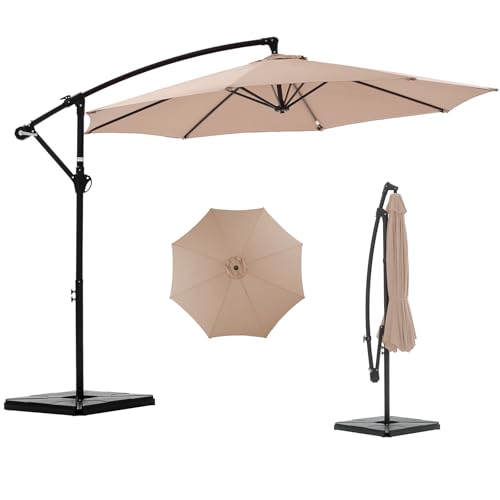
NEWBULIG 10FT Patio Umbrella with Base Included, Offset Cantilever Outdoor Patio Table Umbrella, UV Protection, Fade Resistant Fabric, Easy Tilt Adjustment for Pool, Deck, Garden, Backyard, Khaki
[Enhanced Stability with Included Bases] The NEWBULIG patio umbrella is reinforced with a cross base, 2 pole locking...
As an affiliate, we earn on qualifying purchases.