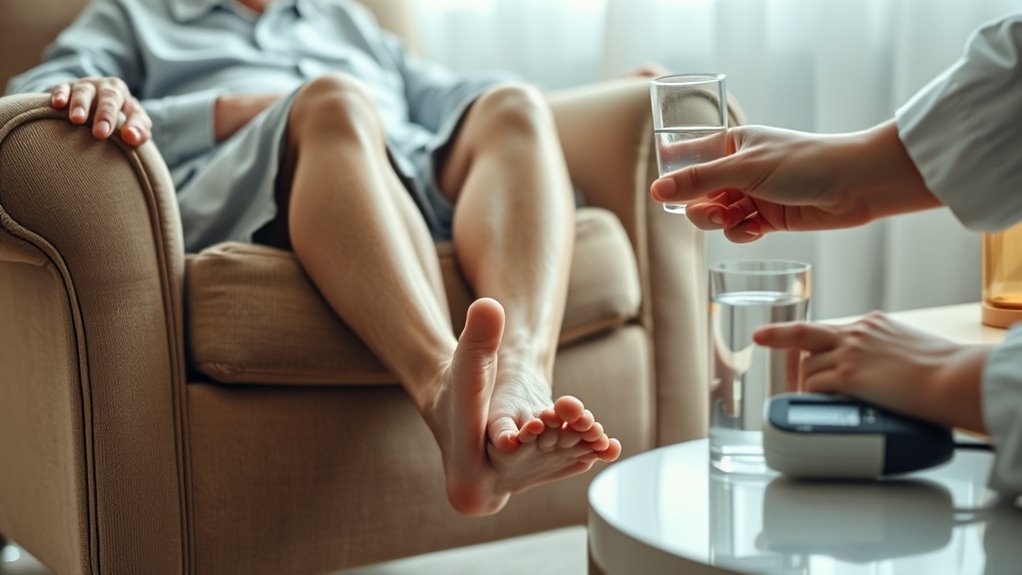

If your loved one has orthostatic hypotension, you should know that it happens when blood pressure drops suddenly upon standing, causing dizziness or fainting. To prevent falls, encourage them to stand up slowly, sit for a moment, and support their movements. Keep pathways clear, use grab bars, and support them during position changes. Learning how to manage these safety steps will help protect them and improve their quality of life. Continue to discover more helpful tips.
Key Takeaways
- Assist with slow position changes from sitting or lying to standing to prevent blood pressure drops.
- Monitor blood pressure regularly and observe for symptoms like dizziness or weakness.
- Keep pathways clear and install safety features like grab bars to reduce fall risk.
- Encourage hydration and dietary adjustments, such as increased salt if advised by healthcare providers.
- Stay close during movements, provide support, and educate about early signs to ensure prompt response.

Orthostatic hypotension, also known as postural hypotension, occurs when your blood pressure drops suddenly as you stand up from sitting or lying down. This sudden change can leave you feeling dizzy, lightheaded, or even cause you to faint. As a caregiver, understanding how to manage this condition is crucial for safeguarding safety and improving quality of life for your loved ones. One of your primary roles is to support effective blood pressure management to minimize the risk of falls, which are common and often serious in individuals with orthostatic hypotension.
To help with blood pressure management, encourage your loved one to rise slowly from a seated or lying position. When they do, assist them into a sitting position first, pausing for a moment before standing. This gradual transition gives their body time to adjust and reduces the likelihood of a sudden drop in blood pressure. It’s also helpful to make certain they stay well-hydrated, as dehydration can exacerbate symptoms. Sometimes, dietary adjustments like increasing salt intake—if recommended by a healthcare professional—can help maintain blood pressure levels. Medication schedules should also be closely managed, with regular communication with healthcare providers to optimize treatment and prevent episodes.
Fall prevention is a critical aspect of caring for someone with orthostatic hypotension. Clear pathways free of clutter, secure rugs, and sturdy handrails can make a big difference. You should also consider installing grab bars in bathrooms and along stairways, and using non-slip mats to create safer environments. When assisting your loved one, always stay close enough to support them if they feel dizzy or unstable. Encourage them to wear supportive footwear that provides good grip and ankle stability. Additionally, advise them to avoid sudden movements or rushing when changing positions, especially in the morning or after long periods of inactivity, as symptoms tend to be more pronounced then.
Ensure clear pathways, secure rugs, and install grab bars to prevent falls in those with orthostatic hypotension.
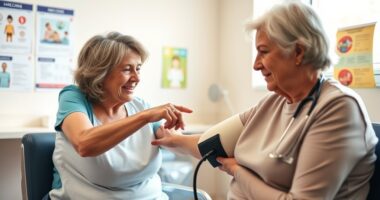
Monitoring is key—regularly check in on their blood pressure if possible, and keep a record of episodes to share with their healthcare provider. Recognize the early signs of an impending episode, such as dizziness or weakness, and respond promptly by helping them sit or lie down to prevent falls. Staying informed about blood pressure management and maintaining vigilance will help you create a safer environment and support your loved one’s independence while reducing risks. Educating yourself about orthostatic hypotension and staying vigilant will help you create a safer environment and support your loved one’s independence while reducing risks. Ultimately, your proactive approach in managing blood pressure and preventing falls plays a crucial role in maintaining their safety and comfort.
Frequently Asked Questions
How Can Caregivers Prevent Falls Related to Orthostatic Hypotension?
To prevent falls related to orthostatic hypotension, you should guarantee home safety by removing tripping hazards and installing grab bars. Offer mobility assistance when your loved one moves from sitting to standing, encouraging slow movements to prevent dizziness. Keep water accessible and advise them to sit or lie down if they feel faint. Regularly monitor their condition, and consult healthcare professionals for personalized safety tips.
Are There Specific Medications That Worsen Orthostatic Hypotension?
Think of medications as the sword and shield of your caregiving arsenal; some can worsen orthostatic hypotension. Certain blood pressure drugs, diuretics, and antidepressants often cause drug side effects that make symptoms worse. You should always check for medication interactions and consult healthcare providers about potential risks. Staying vigilant ensures you can prevent falls and keep your loved one safe, just like a good knight guards their domain.
How Does Dehydration Influence Orthostatic Hypotension Symptoms?
Dehydration worsens orthostatic hypotension symptoms because fluid loss reduces blood volume, making it harder for your body to maintain blood pressure when you stand up. This can lead to dizziness or fainting. Dehydration also causes electrolyte imbalance, which further affects blood pressure regulation. To prevent this, guarantee your loved one stays well-hydrated and maintains a balanced intake of fluids and electrolytes, especially during hot weather or illness.
Can Orthostatic Hypotension Be Reversed or Permanently Cured?
Orthostatic hypotension isn’t a one-way street to lifelong trouble, so don’t lose hope! While some cases improve with lifestyle changes and medication, a permanent cure isn’t always guaranteed. Reversibility prospects vary depending on the cause, but many people see significant relief. You can help by encouraging hydration, proper medication use, and safe movement to reduce symptoms and improve quality of life.
What Lifestyle Changes Can Reduce Orthostatic Hypotension Episodes?
You can reduce orthostatic hypotension episodes by making simple lifestyle changes. Focus on diet modifications like increasing salt intake and staying hydrated to maintain blood volume. Incorporate regular exercise routines, such as walking or gentle stretching, to improve circulation and strengthen your vascular system. Always rise slowly from sitting or lying positions, and avoid prolonged standing, to prevent sudden drops in blood pressure. These steps can considerably lessen your symptoms.
Conclusion
By understanding orthostatic hypotension, you can better protect your loved ones. Stay vigilant, recognize the risks, and respond swiftly to symptoms. Simple steps like staying hydrated, rising gradually, and monitoring blood pressure can make a big difference. With awareness and action, you’ll prevent falls, foster safety, and foster a sense of security. Remember, your attentive approach can truly transform tricky moments into safe, supportive strides for those in your care.