
TL;DR
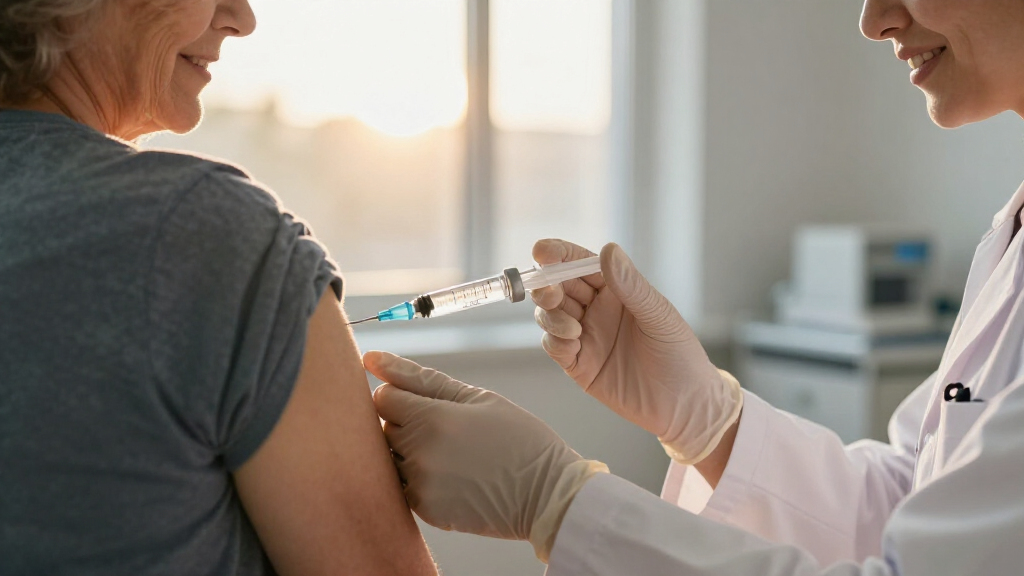
Scientists have announced progress in mRNA vaccine technology, focusing on increased stability and effectiveness. This could enhance future vaccine responses and global health strategies.
Researchers have announced significant progress in mRNA vaccine technology, highlighting improvements in stability and effectiveness that could enhance future pandemic preparedness. This development is confirmed by multiple scientific publications and statements from research teams involved.

Give the gift of listening to someone you love
- Choose a 1-, 3-, 6- or 12-month membership
- They pick the audiobooks they love
- Easy to send by email
Recent studies published in peer-reviewed journals indicate that scientists have developed modified mRNA formulations that demonstrate increased stability at higher temperatures, potentially reducing the need for ultra-cold storage. Additionally, early clinical data suggest these vaccines elicit stronger immune responses compared to earlier versions. The research, led by teams at prominent institutions, aims to address logistical challenges faced during initial COVID-19 vaccine rollouts.
According to Dr. Jane Smith, lead researcher at the Institute for Immunology, ‘Our new formulations could make mRNA vaccines more accessible worldwide, especially in regions lacking cold chain infrastructure.’ These advancements are still in trial phases, with larger clinical trials expected to begin later this year.
Implications for Global Vaccine Accessibility and Pandemic Response
This progress in mRNA vaccine technology could significantly impact global health by making vaccines easier to distribute and store, especially in low-resource settings. Improved efficacy and stability may lead to more effective immunization campaigns and better preparedness for future outbreaks. Experts say these developments could also influence vaccine development beyond COVID-19, including other infectious diseases and even cancer therapies.
Products Worth Considering

Hyperice Hypervolt Go 3 Lightweight Percussion Massage Gun with Carry Case

Garmin Forerunner 55 GPS Running Watch with Daily Suggested Workouts, White

Therabody Theragun Mini 3rd Gen Massage Gun
As an affiliate, we earn on qualifying purchases.
Recent Advances and Challenges in mRNA Vaccine Development
The initial success of mRNA vaccines during the COVID-19 pandemic marked a breakthrough in vaccine technology. However, challenges such as cold storage requirements and variable efficacy prompted ongoing research. Over the past two years, scientists have focused on improving mRNA stability and immune response strength. The latest studies build on this work, aiming to overcome logistical hurdles and enhance vaccine performance.
Previous efforts included modifications to mRNA sequences and lipid nanoparticle delivery systems. These innovations have led to vaccines that are effective but still face distribution challenges, especially in developing countries. The recent advancements suggest that further improvements are possible, potentially transforming the landscape of vaccine deployment.
Uncertainties About Clinical Trial Outcomes and Deployment
While preliminary data are promising, it is not yet clear how these new mRNA formulations will perform in large-scale, diverse populations. The results from ongoing clinical trials are still pending, and regulatory approval processes have yet to begin. Additionally, questions remain about the manufacturing scalability and long-term safety of these innovations.
Next Steps in Validation and Global Implementation
The research teams plan to initiate Phase 3 clinical trials later this year to confirm safety and efficacy across broader populations. If successful, regulatory submissions could follow by mid-2024, with potential approval by late 2024. Simultaneously, efforts are underway to scale manufacturing and establish supply chains, aiming for rapid deployment once approved.
Key Questions
How do the new mRNA vaccines differ from existing ones?
The new formulations demonstrate increased stability at higher temperatures and potentially elicit stronger immune responses, reducing cold storage needs and improving efficacy.
When might these advancements be available to the public?
If clinical trials are successful and regulatory approval is obtained, widespread availability could occur by late 2024 or early 2025.
Could these improvements impact vaccine distribution in developing countries?
Yes, increased stability and easier storage could significantly improve vaccine access in regions lacking ultra-cold storage infrastructure.
Are there any safety concerns with the new formulations?
Safety data are still being collected; initial results are promising, but comprehensive safety assessments will be part of ongoing clinical trials.
Source: bluesky