
TL;DR

Turn quiet afternoons into listening time
- Thousands of audiobooks, podcasts and originals
- Listen on your phone, tablet or Echo — also offline
- Cancel anytime
More than 1,000 cases of cyclospora infection have been confirmed across the US, mainly linked to contaminated fresh produce. Health officials continue investigations, but the source remains under review. The outbreak raises concerns about food safety and public health response.
Health officials have confirmed more than 1,000 cases of cyclospora infection across the United States, marking a significant outbreak linked to contaminated fresh produce. The outbreak has prompted public health alerts and increased scrutiny of food safety practices, though the exact source remains under investigation.
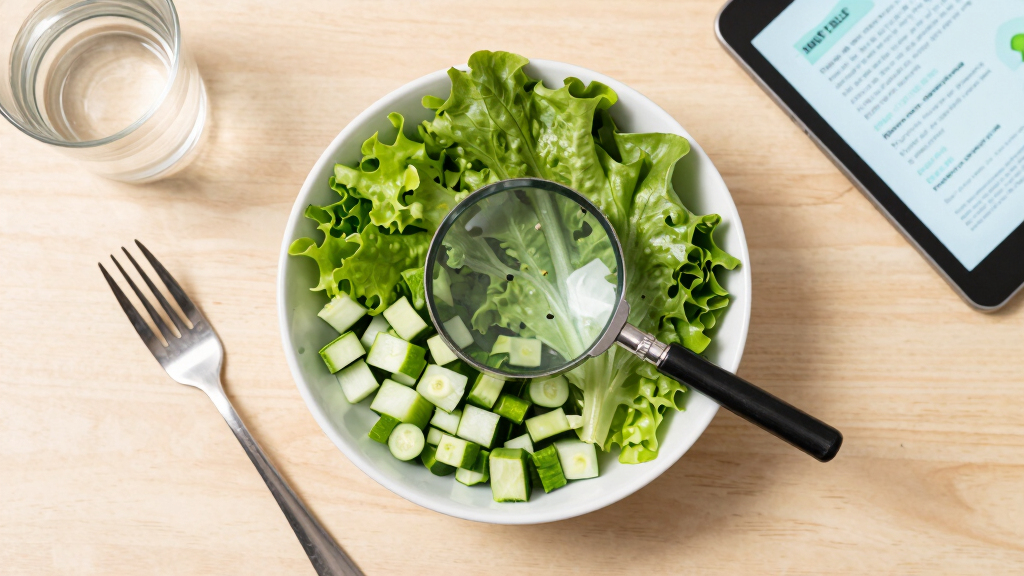
The Centers for Disease Control and Prevention (CDC) reports that more than 1,000 cases of cyclospora, a parasitic infection causing gastrointestinal illness, have been confirmed in multiple states over the past month. The majority of cases are associated with consumption of certain fresh produce items, such as berries and lettuce, which are suspected to be contaminated during processing or distribution. Health officials have issued warnings advising consumers to wash produce thoroughly and to seek medical attention if symptoms occur.
Laboratory testing has identified cyclospora cayetanensis as the causative parasite. The CDC and the Food and Drug Administration (FDA) are actively investigating potential sources, including specific farms and suppliers, but have not yet identified a definitive contamination point. No deaths have been officially reported, but several patients have experienced severe symptoms requiring medical care.
Public Health Impact of the Cyclospora Outbreak
This outbreak underscores ongoing challenges in food safety and the importance of proper handling and hygiene practices for fresh produce. Cyclospora is resistant to standard washing methods, making contamination difficult to detect and prevent. The rising number of cases raises concerns about the safety of imported and domestically grown produce, and highlights the need for stricter regulatory oversight to prevent future outbreaks.
As an affiliate, we earn on qualifying purchases.
Recent Trends in Foodborne Parasite Outbreaks
While cyclospora outbreaks are not new, recent years have seen an increase in reported cases, partly due to improved detection methods and heightened surveillance. Historically, outbreaks have been linked to imported berries and leafy greens. This current surge, with over 1,000 cases, marks one of the largest recorded in recent US history. Past incidents have prompted recalls and new safety protocols, but the persistent occurrence indicates ongoing vulnerabilities in the supply chain.
“Consumers should wash all fresh produce thoroughly, although this may not eliminate cyclospora. If symptoms such as diarrhea, nausea, or stomach cramps occur, seek medical attention promptly.”
— CDC spokesperson
Unclear Source and Timeline of Contamination
While investigations are underway, the precise source of the contamination has not been identified. It is also unclear whether the outbreak is linked to a single farm, supplier, or multiple points along the supply chain. The timeline of contamination and how it spread to consumers remains under review, with authorities emphasizing that findings may take weeks.
Next Steps in Outbreak Investigation and Public Guidance
Health agencies will continue testing and tracing the source of contaminated produce. They are expected to issue further recalls if specific suppliers are identified. Public health advisories will likely be updated to reflect new findings, and officials may recommend additional precautions for consumers and food handlers. Monitoring of case numbers will also continue to assess the outbreak’s trajectory.
Key Questions
What is cyclospora and how does it spread?
Cyclospora is a parasite that causes gastrointestinal illness, primarily spread through contaminated food or water. It is resistant to standard washing, making prevention challenging.
What symptoms should I watch for?
Common symptoms include diarrhea, stomach cramps, nausea, and fatigue. If symptoms persist or worsen, seek medical attention.
Are specific foods or brands involved?
Investigations are ongoing, but current evidence links the outbreak to certain fresh produce items like berries and lettuce. No specific brands have been officially confirmed as sources yet.
How can I protect myself from infection?
Wash all produce thoroughly, practice good hygiene, and stay informed through official health advisories. Consult a healthcare provider if you experience symptoms after consuming produce.
Source: google-trends
Fall Picks
fall essentials
As an affiliate, we earn on qualifying purchases.