As an adult, staying current on vaccinations is key to protecting yourself from Preventable diseases like tetanus, hepatitis, and travel-related illnesses. You may need boosters for vaccines like Tdap every ten years and other shots based on your health or travel plans. Regularly reviewing your immunization history helps confirm you’re protected, reducing your risk of outbreaks and safeguarding those around you. Keep exploring to learn more about which vaccines might be right for you.
Key Takeaways
- Adults should stay current with essential vaccines like Tdap, influenza, and COVID-19 to maintain immunity.
- Travel may require vaccines such as yellow fever, hepatitis A and B, and typhoid for specific regions.
- Booster shots are necessary to maintain protection against diseases like tetanus, diphtheria, and pertussis.
- Regularly reviewing immunization records helps identify needed vaccines and ensures timely updates.
- Staying up-to-date with vaccines protects personal health, prevents outbreaks, and promotes community safety.

Vaccinations aren’t just for kids; they’re indispensable for adults too. As you navigate your busy life, it’s easy to overlook the significance of staying up-to-date with your immunizations. However, certain vaccines are essential to protect you from preventable diseases, especially if you travel frequently or have specific health risks. Travel vaccines, for example, are critical if you plan to visit regions where certain illnesses are common. Diseases like yellow fever, typhoid, or hepatitis A and B can pose serious health threats, and getting the right vaccinations before your trip can make all the difference. Not only do these vaccines help keep you safe abroad, but they also prevent the spread of infections to others when you return home. It’s wise to consult with your healthcare provider well in advance of travel to determine which vaccines are recommended for your destination. Some travel vaccines require multiple doses or a specific timing schedule, so planning ahead guarantees you’re fully protected.
In addition to travel vaccines, booster shots are an important aspect of maintaining your health. Many vaccines that you received in childhood, such as tetanus, diphtheria, or pertussis, require periodic boosters to maintain their effectiveness. Without these booster shots, your immunity can diminish over time, leaving you vulnerable to illness. For instance, getting a tetanus booster every ten years is a simple but effective way to prevent serious infections from cuts or injuries. Similarly, the whooping cough component of the Tdap vaccine is recommended every ten years as an adult, especially if you’re around infants or vulnerable populations. Booster shots are generally quick and straightforward, often administered during routine visits, making it easy to stay current. They act as a safeguard against complacency, ensuring your immune defenses remain strong against preventable diseases. Moreover, understanding your immunization history can help you and your healthcare provider make informed decisions about necessary vaccines.
Staying current with your vaccinations isn’t just about personal protection; it also helps protect those around you, especially vulnerable populations like the elderly, infants, or immunocompromised individuals. It’s a proactive step that can prevent outbreaks and reduce healthcare costs. You should regularly review your immunization history with your healthcare provider, particularly if you’re planning travel or if new vaccines become available. Remember, vaccines are an indispensable part of adult health maintenance, and taking the initiative to stay current with booster shots and travel vaccines can save you from serious illness down the line. Being informed and proactive guarantees you’re doing everything you can to protect your health now and in the future.
adult Tdap booster shot
As an affiliate, we earn on qualifying purchases.
As an affiliate, we earn on qualifying purchases.
Frequently Asked Questions
Are There Any New Vaccines Recommended for Adults This Year?
Yes, there are new vaccine recommendations for adults this year. You should check with your healthcare provider about updated booster scheduling for vaccines like COVID-19 and shingles, as their efficacy can vary over time. Staying current with these vaccines helps maintain protection, especially as new strains emerge. Regularly reviewing your vaccination plan guarantees you’re taking full advantage of the latest recommendations and maximizing your immune defense.
How Often Should I Update My Adult Vaccination Schedule?
You should update your adult vaccination schedule as often as your last booster shot expires—roughly every 10 years for tetanus or diphtheria, but some vaccines, like the flu shot, require annual refreshes. Keep an eye on vaccine expiration dates, because ignoring them is like trying to pay your bills with expired coupons. Stay proactive, follow your healthcare provider’s advice, and don’t let your immunity become a relic of the past.
Can Adults Get Vaccinated if They Have Underlying Health Conditions?
Yes, adults with chronic illnesses or weakened immune systems can still get vaccinated. Your healthcare provider will recommend specific vaccines based on your health condition to protect you effectively. Vaccinations can help prevent infections that might worsen your condition or cause complications. It’s important to discuss your health history and current medications with your doctor to guarantee you receive the safest and most appropriate vaccines for your immune system.
Are There Specific Vaccines Recommended for Travelers?
Yes, there are specific vaccines recommended for travelers to reduce travel risks. You should consider vaccines like yellow fever, typhoid, hepatitis A and B, and rabies, depending on your destination. Access to these vaccines varies, so check with your healthcare provider early. Ensuring vaccine accessibility before traveling helps protect you from preventable diseases and makes your trip safer and healthier.
Do Adult Vaccines Have Any Long-Term Side Effects?
You might wonder if adult vaccines have long-term side effects. Research shows most vaccines have excellent long-term safety profiles, with serious side effects being rare—less than 1 in a million cases. While vaccine efficacy can vary, most provide protection for years. Regular monitoring guarantees safety and effectiveness, so you can confidently get vaccinated, knowing that the long-term safety of adult vaccines is well-established and continually evaluated by health experts.

International Certificate of Vaccination or Prophylaxis – Pack of 2 with 2 Plastic Protective Covers
As an affiliate, we earn on qualifying purchases.
As an affiliate, we earn on qualifying purchases.
Conclusion
Think of your health as a garden that needs tending. Vaccinations are like essential watering cans, helping your immune system grow strong and resilient against unseen pests. By staying up-to-date, you’re nurturing your body’s defenses, ensuring your health blossoms year-round. Don’t let neglect let weeds of illness take over—keep your garden vibrant and protected. Embrace the care you need today, and your well-being will flourish tomorrow.
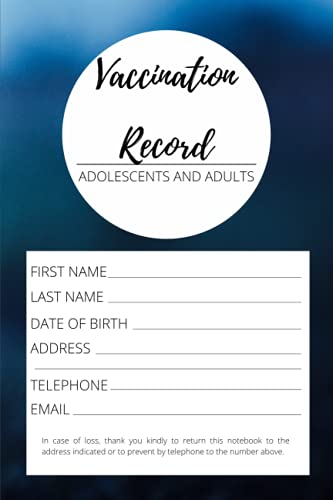
Vaccination Record: Vaccine for adolescents and adults (Diphtheria – Tetanus – Poliomyelitis – Pertussis-Measles – Mumps – Rubella – Meningitis C – HPV – H epatitis B – Flu …)
As an affiliate, we earn on qualifying purchases.
As an affiliate, we earn on qualifying purchases.

The COVID-19 VACCINES & Beyond …: What the Medical Industrial Complex is NOT Telling Us
As an affiliate, we earn on qualifying purchases.
As an affiliate, we earn on qualifying purchases.