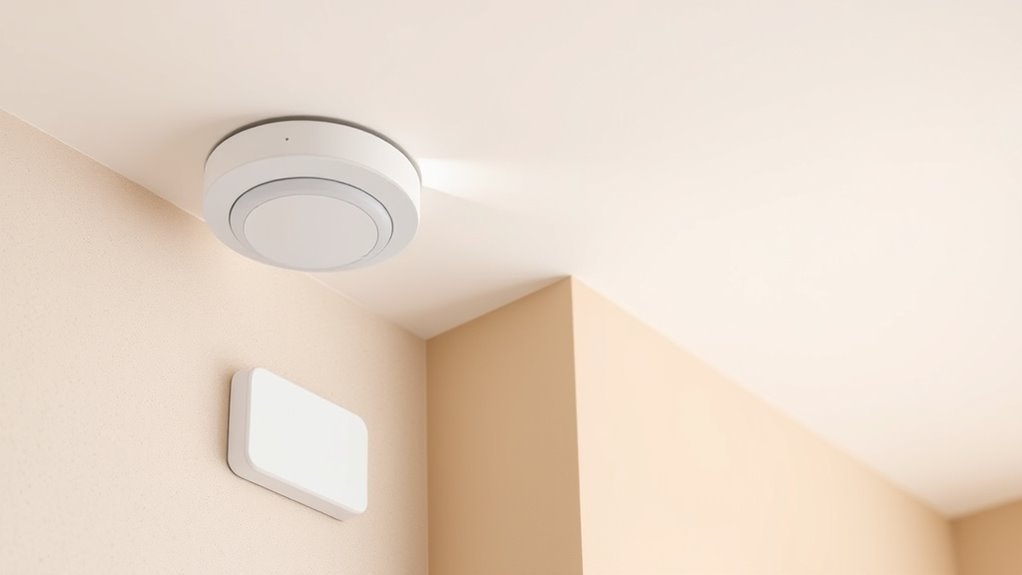

To guarantee your smoke and carbon monoxide alarms work effectively, install smoke alarms on every level of your home, inside each bedroom, and mount them high on the wall or ceiling. Place CO alarms near sleeping areas and keep them away from fuel appliances and drafts. Regularly test and maintain the units to keep them functioning properly. If you want to learn more about ideal placement strategies, keep exploring these guidelines for maximum safety.
Key Takeaways
- Install smoke alarms on every level, inside bedrooms, and near sleeping areas, mounted high on ceilings or walls.
- Place carbon monoxide alarms on each level, especially near sleeping areas, 1.5 to 5 feet above the floor.
- Keep alarms at least 15 feet away from fuel-burning appliances to avoid false alarms.
- Regularly test alarms monthly, replace batteries yearly, and follow manufacturer guidelines for placement and maintenance.
- Avoid placing alarms near drafts, humid areas, windows, doors, or vents to ensure proper detection.
Have you ever wondered how to protect your home from invisible dangers like carbon monoxide and smoke? Proper placement of alarms is vital for safety, and understanding installation guidelines can make all the difference. When it comes to alarm maintenance and placement, you need to think carefully about where these devices will be most effective in alerting you to danger. The goal is to guarantee that alarms are easily accessible, sensitive enough to detect hazards early, and positioned to maximize coverage throughout your home.
Start by considering the general installation guidelines for smoke alarms. They should be installed on every level of your house, including the basement, and inside each bedroom or sleeping area. The reason is simple: you want to wake up immediately if smoke or carbon monoxide is detected while you’re sleeping. For maximum coverage, mount smoke alarms on the ceiling or high on the wall, about 4 to 12 inches from the ceiling. This placement takes advantage of rising smoke, ensuring the alarm detects it quickly. Avoid installing alarms near windows, doors, or vents where drafts could interfere with their operation. Also, steer clear of humid areas like bathrooms, as moisture can cause false alarms or damage the device over time.
Install smoke alarms on every level and inside bedrooms, about 4-12 inches from the ceiling for optimal detection.
When it comes to carbon monoxide alarms, installation guidelines recommend placing them on every level, especially near sleeping areas. Mount these alarms on the wall about 1.5 to 5 feet above the floor, or on the ceiling if mounted there. This positioning helps detect the gas early, as carbon monoxide tends to mix evenly with the air, but it’s particularly vital to have alarms near bedrooms to wake you if levels rise overnight. Remember, alarms should be installed at least 15 feet away from fuel-burning appliances to prevent false alerts triggered by normal operation. Additionally, advances in alarm technology have improved their sensitivity and reliability, making proper placement even more crucial for safety.
Alarm maintenance is just as important as proper placement. Test your alarms monthly to make sure they’re working correctly, and replace batteries at least once a year. Regularly clean the units to prevent dust and debris from interfering with their sensors. Replace smoke alarms every 10 years and carbon monoxide alarms according to the manufacturer’s recommendations. Following these maintenance and installation guidelines guarantees your alarms perform reliably, giving you peace of mind.

First Alert Smoke Alarm, Battery-Operated Detector with Test & Silence Button, SMI100, 1-Pack
First Alert's Precision Detection advanced sensing technology complies with new industry standards to reduce cooking nuisance alarms and…
As an affiliate, we earn on qualifying purchases.
As an affiliate, we earn on qualifying purchases.
Frequently Asked Questions
Can Alarms Be Installed Outdoors Safely?
Yes, you can install alarms outdoors safely if you choose weatherproof alarms designed for outdoor use. These alarms are built to withstand the elements, including rain and humidity. Make sure to place them in sheltered areas, away from direct exposure to rain or snow, and follow the manufacturer’s instructions for outdoor installation. Proper outdoor placement guarantees your safety without risking damage or false alarms.
How Often Should Alarms Be Tested for Reliability?
You should test your alarms at least once a month to verify they’re working properly. Regular testing helps catch any issues early, so check batteries and alarm functions during your routine battery maintenance. Follow a consistent alarm testing schedule, and replace batteries at least once a year or as needed. Staying proactive keeps your home safe and ensures your alarms respond correctly during an emergency.
Are There Different Placement Rules for Multi-Story Homes?
Yes, placement rules differ for multi-story homes. You should install alarms on each floor at a comparable floor level, ideally on the ceiling or high on the wall, about 12 inches from the ceiling. For bedrooms, place alarms on the ceiling or high on the wall near sleeping areas. Avoid installing alarms near vents or windows to prevent false alarms. Regular testing guarantees reliable performance across all floors.
Do Alarms Need Regular Battery Replacements?
Did you know that regular battery replacements help guarantee your alarms stay reliable? You should change batteries at least once a year or when the alarm chirps to indicate low power. Proper battery maintenance not only keeps your alarms functioning but also extends their longevity. Neglecting this could leave you vulnerable during emergencies. Make it a habit to check and replace batteries regularly, so your safety system remains always ready to alert you.
What Is the Lifespan of Most Smoke and CO Alarms?
Most smoke and CO alarms last about 7 to 10 years. To guarantee proper alarm maintenance, you should test them monthly and replace batteries as needed. Following alarm placement guidelines helps keep your home safe, but remember, alarms typically need replacement after this lifespan. Regularly check the manufacturer’s instructions for specific recommendations, and don’t forget to replace alarms when they reach the end of their service life to stay protected.

Kidde Carbon Monoxide Detector, Plug-In with 9V Battery Backup, Digital Display, 85 dB Alarm, LED Status Light Indicators, 3rd Edition
Easy Installation – simply plug-in to a standard, 120V outlet in your home
As an affiliate, we earn on qualifying purchases.
As an affiliate, we earn on qualifying purchases.
Conclusion
By placing your carbon monoxide and smoke alarms thoughtfully, you’re building a safety net that catches danger before it can strike. Think of these alarms as vigilant guardians, quietly watching over your home like loyal sentinels. When positioned correctly, they work in harmony, creating an unbreakable shield around your loved ones. Remember, proper placement transforms your alarms from mere devices into powerful protectors—turning your home into a fortress of safety and peace of mind.
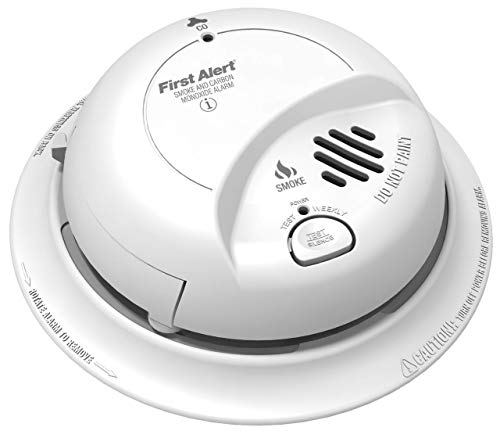
FIRST ALERT BRK SC9120FF Hardwired Smoke and Carbon Monoxide (CO) Detector with Battery Backup, 1 pack , White
Keep your family safe with this hardwired smoke and carbon monoxide alarm; The battery backup means constant monitoring,…
As an affiliate, we earn on qualifying purchases.
As an affiliate, we earn on qualifying purchases.

First Alert Smoke Alarm, 10-Year Sealed Battery Detector with Test & Silence Button, SMI110, 1-Pack
First Alert's Precision Detection advanced sensing technology complies with new industry standards to reduce cooking nuisance alarms and…
As an affiliate, we earn on qualifying purchases.
As an affiliate, we earn on qualifying purchases.