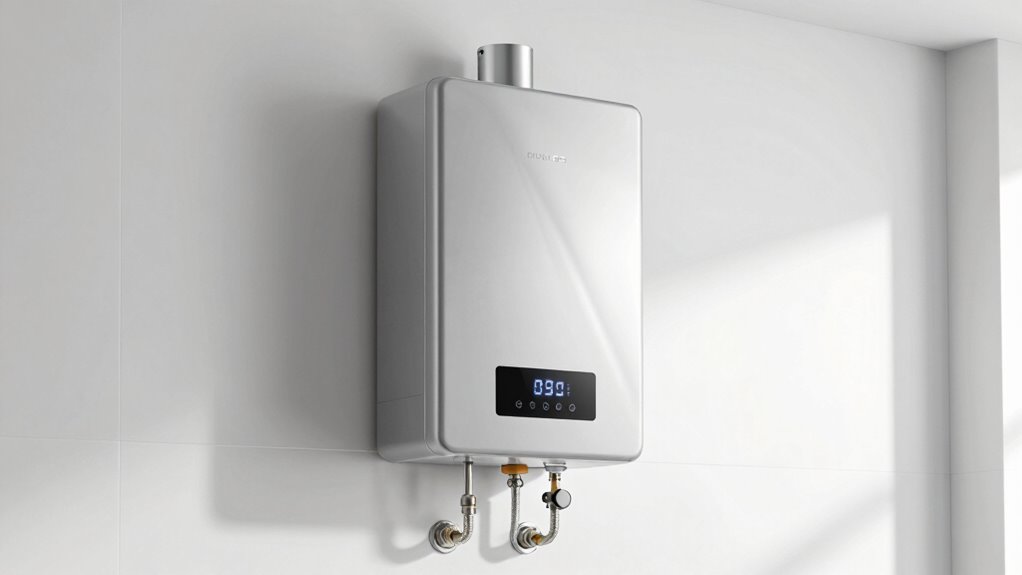

Before upgrading to a tankless water heater, understand that these units heat water only on demand, which saves energy and space compared to traditional tanks. They can reduce your utility bills and eliminate standby heat loss. However, installation costs are higher and may require electrical or gas line upgrades. Proper sizing and professional installation are essential for performance and safety. Keep exploring to discover how to choose the right system for your household’s hot water needs.

Turn quiet afternoons into listening time
- Thousands of audiobooks, podcasts and originals
- Listen on your phone, tablet or Echo — also offline
- Cancel anytime
Key Takeaways
- Understand that tankless water heaters heat water on demand, reducing energy consumption and eliminating standby heat loss.
- Assess your household’s hot water demand to determine the appropriate unit size or capacity needed.
- Be aware of higher upfront costs, including installation, electrical or gas line upgrades, and potential venting modifications.
- Proper installation and system sizing are essential for safety, efficiency, and meeting your hot water needs.
- Consider long-term savings and benefits like endless hot water and space efficiency when planning your upgrade.
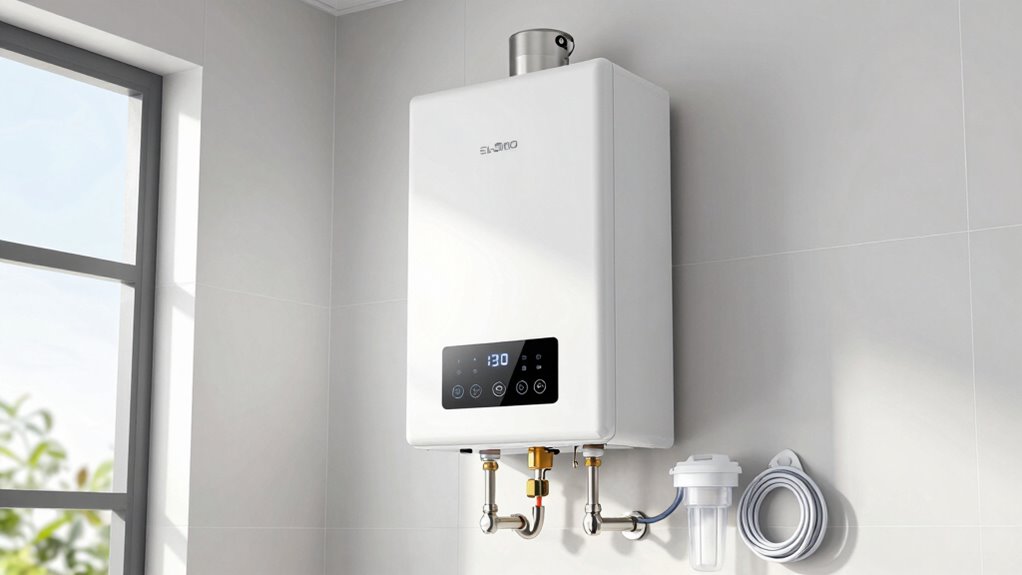
Tankless water heaters, also known as on-demand water heaters, have become a popular choice for homeowners seeking a more efficient way to supply hot water. Unlike traditional tank models that store a set amount of water, tankless units heat water only when you need it, which can notably reduce energy consumption. This feature makes them an attractive option if you’re looking to improve your home’s energy efficiency. However, before upgrading, it’s important to understand that installation costs for tankless systems can be higher upfront compared to traditional tank water heaters. This is mainly due to the need for specialized units and sometimes additional modifications to your plumbing and electrical systems.
Tankless water heaters are energy-efficient but may require higher upfront installation costs.
When considering energy efficiency, tankless water heaters shine because they eliminate standby heat loss, a common issue with tank models where hot water continuously remains in the tank, even when not in use. Since they heat water on demand, you typically use less energy overall, which can lead to lower utility bills over time. But remember, the efficiency gains depend on your household’s hot water demand and usage patterns. If you have a large family or high hot water needs, you might need multiple units or a larger capacity system, which can increase installation costs but still provide energy savings in the long run.
Installation costs are an essential factor to weigh before making a switch. These costs include not only the price of the unit itself but also the expenses associated with installing it correctly. Tankless units often require upgrades to your home’s electrical wiring or gas lines, especially if your current system isn’t designed to support the higher energy demand of these units. Furthermore, some homes may need additional venting or modifications to accommodate the new system, which can add to the overall cost. While these initial expenses can seem steep, many homeowners find that the energy savings and the convenience of endless hot water justify the investment. Additionally, understanding the installation requirements beforehand can help you better plan and budget for the upgrade. Proper system sizing is also crucial to prevent inefficiencies and ensure your hot water needs are met effectively. Investing in a professional installation can also help mitigate potential issues and ensure the system operates at peak efficiency. It’s also beneficial to consider the long-term maintenance needs of tankless systems, as these can differ significantly from traditional units.
It’s also worth noting that professional installation is highly recommended for tankless water heaters to ensure safety and maximum performance. Proper sizing is critical to get the most out of your investment; an undersized unit will struggle to meet your hot water needs, while an oversized one might waste energy. To maximize energy efficiency and control costs, you should evaluate your household’s hot water demands and consult with a qualified installer. While the initial costs might be higher, the long-term benefits of energy savings, space efficiency, and endless hot water can make upgrading to a tankless system a wise choice for many homeowners.
Products Worth Considering

Levoit Vital 200S-P Smart Air Purifier for Large Rooms

Garmin Forerunner 165 GPS Running Smartwatch, 43 mm, Black

Philips Sonicare 5950 Rechargeable Electric Toothbrush with 2 Brush Heads, Navy
As an affiliate, we earn on qualifying purchases.
Frequently Asked Questions
How Long Do Tankless Water Heaters Typically Last?
You can expect a tankless water heater to last around 20 years, but its tank lifespan and maintenance play key roles. With proper care, most units reach this replacement timeline without issues. Regular descaling and inspections extend its lifespan, ensuring you get peak performance. Keep an eye on the manufacturer’s recommendations, and plan for replacement around the 20-year mark to avoid unexpected breakdowns or costly repairs.
Are Tankless Water Heaters Energy-Efficient in Cold Climates?
In cold climates, tankless water heaters are still quite energy-efficient, offering up to 30% energy savings compared to traditional models. Their on-demand heating reduces standby heat loss, making them a smart choice despite lower outdoor temperatures. While climate impact is a concern, proper insulation and heating capacity guarantee you get reliable hot water. So, even in chilly weather, a tankless system can help you save energy and lower utility bills.
Can a Tankless Water Heater Supply Multiple Fixtures Simultaneously?
Yes, a tankless water heater can supply multiple fixtures simultaneously if it has a high enough flow rate and fixture capacity. You need to take into account the combined flow rate of all the fixtures you’ll use at once, like showers and sinks. If the heater’s flow rate matches or exceeds this total, it can handle multiple fixtures smoothly without running out of hot water. Always check the unit’s specifications to guarantee it meets your household needs.
What Maintenance Is Required for a Tankless Water Heater?
You need to regularly flush your tankless water heater to prevent scale buildup, especially if you have hard water. Also, check ventilation requirements to guarantee safe operation and proper airflow. Keep the filters clean and inspect the system annually for leaks or corrosion. Proper maintenance not only extends your water heater’s lifespan but also keeps it running efficiently, saving you money and avoiding unexpected breakdowns.
How Much Does a Tankless Water Heater Installation Cost?
The cost of a tankless water heater installation varies based on factors like unit size and your home’s setup, typically ranging from $2,000 to $4,500. You should consider a cost comparison of different models and brands to find the best value. The installation process involves connecting the unit to your existing plumbing and electrical system, which can take several hours or days depending on your home’s complexity.
Conclusion
Upgrading to a tankless water heater is like unleashing a never-ending water wonderland in your home! Say goodbye to running out of hot water mid-shower and hello to endless comfort, energy savings, and a future-proofed home. Once you experience the instant, on-demand hot water, you’ll wonder how you ever lived without it. Get ready to revolutionize your daily routine and turn your home into a luxurious spa—because with a tankless heater, the possibilities are limitless!