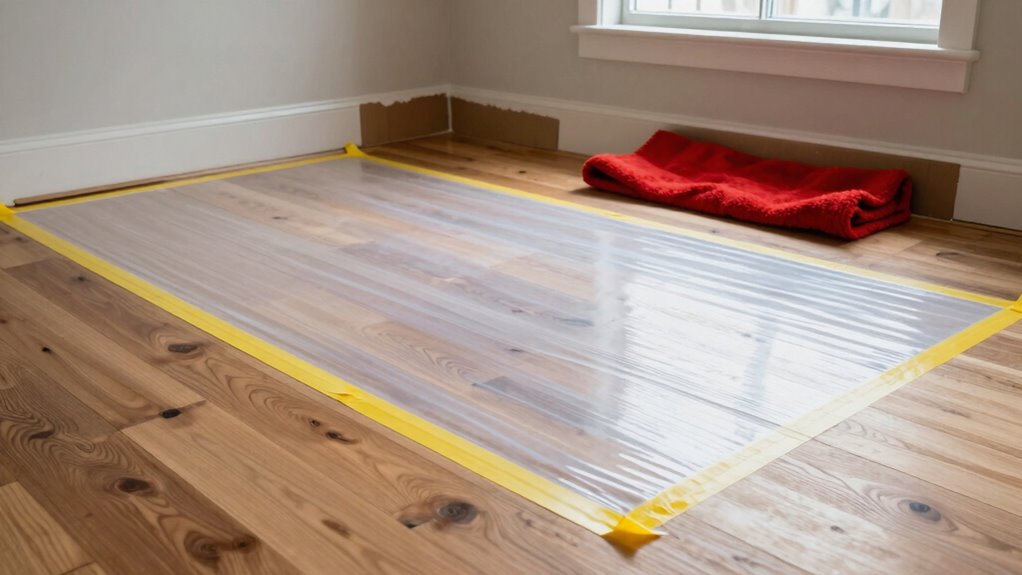

To protect floors during renovation, lay down heavy-duty materials like rosin or craft paper, plastic sheeting, or plywood sheets to cover the surface. Secure the protection with tape along edges and seams, making sure layers are flat to prevent trip hazards. Cover high-traffic areas and staircases with extra layers, and create designated pathways to keep foot traffic and equipment confined. Properly installing protective materials saves your floors from scratches, stains, and cracks—continue to explore more tips for a safer, smoother renovation.

Turn quiet afternoons into listening time
- Thousands of audiobooks, podcasts and originals
- Listen on your phone, tablet or Echo — also offline
- Cancel anytime
Key Takeaways
- Use appropriate floor protection materials like rosin paper, plastic sheeting, or cardboard based on flooring type.
- Secure protective layers with tape, ensuring edges and seams are flat and well-adhered.
- Cover high-traffic areas, staircases, and doorways with extra protection to prevent damage.
- Create designated pathways to control foot and equipment movement, minimizing floor contact.
- Train workers on proper procedures, such as removing shoes or using boot covers, to reduce dirt and debris.
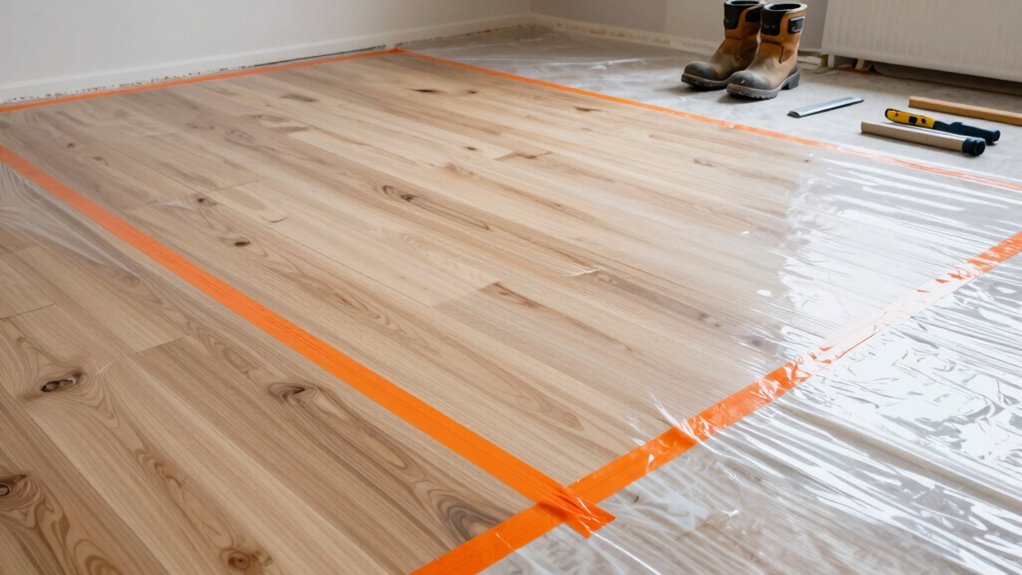
Are you worried about keeping your floors pristine during a renovation? It’s a common concern, especially when you want to avoid costly repairs or deep cleaning afterward. The key is to prioritize effective floor protection from the start. By doing so, you not only preserve your flooring but also guarantee renovation safety for everyone involved. When planning your project, consider the type of flooring you have—whether it’s hardwood, tile, laminate, or carpet—as different surfaces require specific protection methods. For hardwood or laminate floors, laying down heavy-duty protective materials like rosin paper, craft paper, or durable plastic sheeting can create a barrier against scratches, stains, and debris. Tile floors can be shielded using painter’s tape and cardboard or foam mats, which prevent chipping and cracks from dropped tools or heavy furniture.
Protect floors with the right materials to prevent damage during renovation.
No matter what surface you’re protecting, it’s essential to secure the materials properly so they don’t shift during work. Tape down edges and seams to keep them flat and prevent tripping hazards. This assures renovation safety by reducing the risk of slips and falls, especially when workers or tools move across the space. If your project involves heavy equipment or furniture movement, consider using plywood sheets or thick mats over existing protection layers to distribute weight evenly and prevent dents or cracks. These measures help keep your floors in top condition and make cleanup easier once the work is complete. Additionally, understanding the importance of surface protection can help you choose the most suitable materials and techniques for your specific flooring type. Incorporating protective flooring materials can further enhance your efforts and reduce potential damage. Recognizing the significance of flooring types can guide you in selecting the most effective protection strategies.
Another smart move is to create designated pathways or zones for foot traffic and equipment, minimizing the areas that need protection. Cover staircases, doorways, and high-traffic spots with extra layers of protective material to prevent wear and tear. Implementing proper installation techniques can also ensure that the protection remains intact throughout the renovation process. Remember, the more thorough your floor protection, the less likely you’ll face unexpected damages that could delay your project or add to costs. Additionally, instruct everyone involved about proper safety procedures—such as removing shoes or using boot covers—to reduce dirt, mud, or debris tracking onto protected surfaces. Proper training on renovation safety can also significantly reduce accidents and damage during the process.
Ultimately, investing time in proper floor protection pays off by safeguarding your investment and maintaining a safe environment during renovation. It’s a simple step that prevents headaches later on, allowing you to focus on completing your project smoothly. When you incorporate these protective measures from the outset, you’re setting the stage for a successful renovation that prioritizes both your floors’ integrity and everyone’s safety.
floor protection plastic sheeting
As an affiliate, we earn on qualifying purchases.
As an affiliate, we earn on qualifying purchases.
Frequently Asked Questions
What Types of Floor Protection Are Most Cost-Effective?
You’ll find that protective coverings like cardboard or heavy-duty plastic sheets are the most cost-effective options for floor protection. They’re inexpensive, easy to lay down, and remove without damaging the surface. Surface adhesives can secure these coverings, preventing movement or slipping during work. These methods are affordable and efficient, providing good protection without breaking the bank, especially when compared to more specialized or permanent solutions.
How Can I Prevent Furniture From Damaging the Floor?
Like a knight shields a castle, you can prevent furniture from damaging your floor by using furniture pads and floor coverings. Attach furniture pads to the bottoms of chairs and tables, ensuring they glide smoothly without scratching. Lay down floor coverings or rugs under heavy furniture to provide an extra layer of protection. Regularly move and reposition furniture to avoid prolonged pressure in one spot, keeping your floors pristine throughout the renovation.
Is It Necessary to Remove All Furniture Before Renovation?
You don’t need to remove all furniture before renovation, but furniture rearrangement is vital for room clearance. Clearing the space allows you to protect your floors effectively and makes renovation easier. Move bulky items to a different room or cover delicate pieces with protective materials. This way, you minimize the risk of damage, guarantee safety, and create a more efficient workspace during your renovation project.
How Long Can Floor Protection Materials Be Left in Place?
You can leave floor protection materials in place for the duration of your renovation, but it’s best to remove them once the work is complete. For ideal surface durability and material longevity, avoid prolonged coverage, which can trap moisture or cause discoloration. Usually, keeping protection for a few days after finishing is fine. Always check manufacturer guidelines for specific materials to prevent damage and guarantee your floors stay in great condition.
Are There Eco-Friendly Options for Floor Protection?
Yes, there are eco-friendly options for floor protection. You can choose sustainable materials like cork or bamboo mats, which are renewable and biodegradable. Low-impact coatings, such as water-based sealers and biodegradable films, also protect floors without harming the environment. These options reduce your carbon footprint and guarantee safety during renovations, making your project more eco-conscious while effectively safeguarding your floors from damage.
Conclusion
By taking simple precautions, you can keep your floors pristine during renovations. Remember, using proper coverings and being mindful of foot traffic greatly reduces damage. Did you know that floor protection can decrease repair costs by up to 50%? Staying proactive ensures your flooring stays beautiful and your renovation stays on track. With these tips, you’ll protect your investment and enjoy a flawless finish once the work is done.
Cold & flu season Picks
humidifiers
As an affiliate, we earn on qualifying purchases.