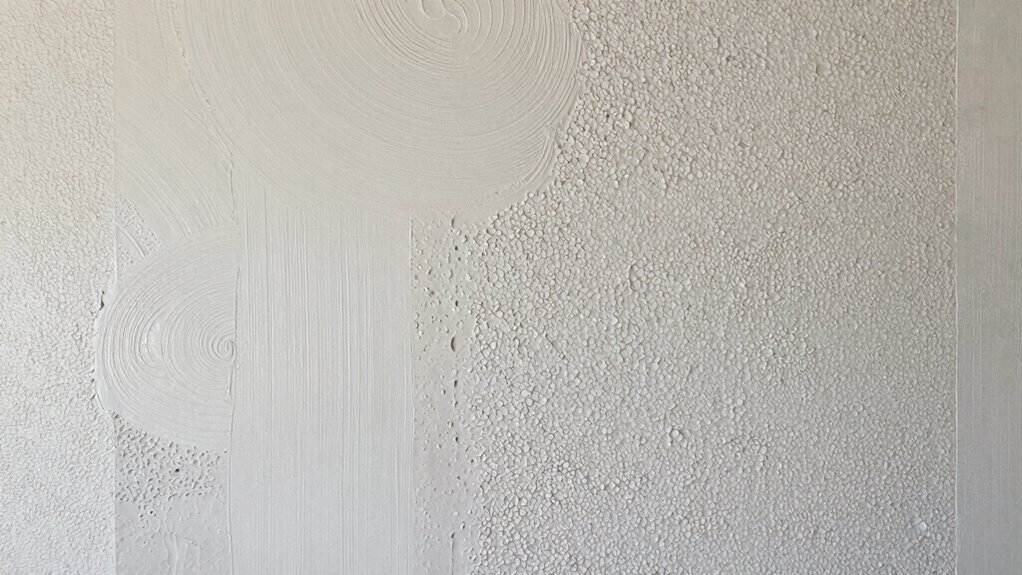

Drywall texture types include styles like popcorn, knockdown, smooth, swirl, slap, and skip trowel, each offering unique looks and benefits. Popcorn is bumpy and good at hiding imperfections, while knockdown gives a softer, modern finish. Smooth textures create sleek, contemporary surfaces, and swirl or slap styles add decorative interest. Skip trowel offers a versatile, understated look. Understanding these options helps you choose the right style for your space—keep exploring to discover tips for applying and repairing each texture effectively.

Turn quiet afternoons into listening time
- Thousands of audiobooks, podcasts and originals
- Listen on your phone, tablet or Echo — also offline
- Cancel anytime
Key Takeaways
- Different drywall textures include popcorn, knockdown, smooth, swirl, slap, and skip trowel, each offering unique aesthetic and functional benefits.
- Popcorn texture provides a bumpy, stippled surface that hides imperfections but is difficult to repair.
- Knockdown creates a soft, mottled finish by smoothing out joint compound peaks for a modern look.
- Smooth textures emphasize sleekness and require skill for a flawless finish, ideal for contemporary interiors.
- Patterned textures like swirl, slap, and skip trowel add visual interest and replicate vintage or ornate plasterwork.
When choosing a drywall texture, understanding the different types can help you achieve the look you want while concealing imperfections. The variety of textures available allows you to tailor your walls to match your home’s style or personal preference. Some textures are simple and subtle, while others make bold statements. Knowing the options can also inform your wall repair techniques, especially if you’re trying to match existing textures or restore historical texture styles. For example, if your home features vintage or traditional textures, you’ll want to choose a style that complements or replicates those historical textures for a cohesive look.
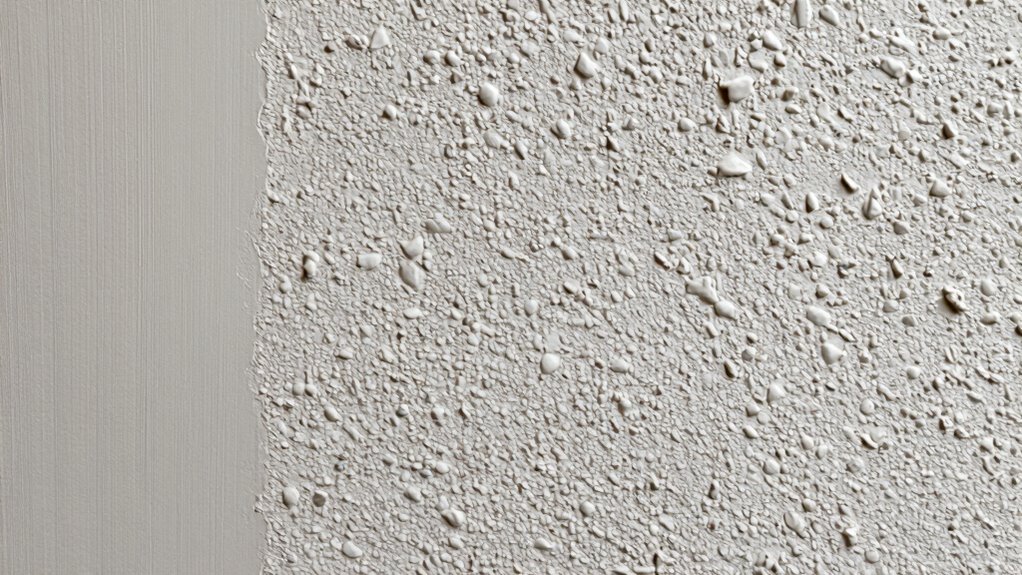
Popcorn texture is one of the most recognizable styles, often seen in older homes. It creates a bumpy, stippled surface that’s good at hiding surface imperfections but can be difficult to repair without removing or reapplying the texture. Knockdown is another popular style that gives a softer, mottled appearance. It involves applying joint compound with a brush or roller, then lightly smoothing it out to flatten the peaks. This style provides a more modern look while still hiding minor wall flaws. Smooth finishes are exactly what they sound like: a sleek, flat surface without any texture. This style emphasizes a clean, contemporary aesthetic and is easier to paint or wallpaper. However, achieving a perfect smooth finish requires skill and proper tools.
Popcorn texture adds vintage charm but can be challenging to repair; knockdown offers a modern, smoothed look.
Swirl and slap textures involve applying compound with a brush, comb, or trowel to create patterns that add visual interest to walls. These textures are often used to replicate historical styles, such as the ornate plasterwork seen in vintage homes. Applying these textures can be a bit tricky, especially if you want to match existing wall patterns. Techniques for creating these textures include using specialized tools or hand-stippling methods. When attempting to replicate historical texture styles, understanding the traditional wall repair techniques used in the past can be invaluable. This knowledge helps you preserve the character of older homes or restore their original beauty. Additionally, understanding the different drywall texture types can guide you in selecting the most suitable style for your project, especially if you want to maintain historical accuracy or achieve a specific aesthetic.
Finally, skip trowel is a versatile technique where you spread joint compound with a trowel in a random or controlled pattern. It’s popular for its textured but understated appearance and works well for both modern and historic interiors. Proper preparation and understanding of application techniques, including trowel skills, ensure your finished texture is consistent and durable. Developing application techniques and practicing your technique can significantly improve the final appearance of your textured walls. When choosing a technique, consider the desired aesthetic and the level of durability you need for your space. It’s also helpful to review drywall repair methods to ensure your walls remain in good condition over time. Whichever texture style you select, always consider your skill level and whether you want to do it yourself or hire a professional. Proper preparation and understanding of application techniques ensure your new wall texture looks great and lasts over time.
As an affiliate, we earn on qualifying purchases.
Frequently Asked Questions
Which Drywall Texture Is Most Suitable for High-Humidity Areas?
You should choose a smooth or lightly textured drywall finish for high-humidity areas. These options help maximize moisture resistance and mold prevention, making them ideal for bathrooms and kitchens. Avoid heavy textures that trap moisture. Using moisture-resistant drywall and proper sealing also enhances protection. By selecting the right finish, you guarantee a healthier, mold-free environment, reducing long-term damage and maintaining a clean, durable space in high-humidity zones.
How Long Does Each Drywall Texture Typically Last?
Drywall textures generally last for 10 to 15 years, but their durability depends on the type and maintenance. Smooth finishes tend to be more durable with less maintenance, while textured surfaces like popcorn or slap brush may need touch-ups over time. To prolong their lifespan, you should regularly inspect for damage, keep surfaces clean, and repair any cracks promptly. Proper care guarantees your drywall texture maintains its appearance longer.
Can You Easily Change From One Texture Type to Another?
Yes, you can change drywall textures, but it requires proper application techniques and consideration of texture durability. First, you’ll need to prepare the surface by cleaning and possibly skim-coating it. Then, apply the new texture carefully, matching the existing wall or ceiling. Keep in mind that some textures may be more durable than others, so choose materials suited for your needs. With patience and skill, switching textures can refresh your space effectively.
Are Certain Textures Better for Soundproofing?
Think of drywall textures as a symphony—each type creates a different acoustic harmony. Certain textures, like knockdown or textured patterns with irregular surfaces, offer better acoustic benefits by absorbing sound waves and reducing echoes. While primarily decorative, some textures serve as soundproofing allies by dampening noise, making your space quieter. If soundproofing is your goal, opt for textures that add both visual appeal and acoustic insulation.
What Are the Safety Considerations During Texture Application?
During texture application, you should prioritize safety by wearing proper safety gear, like goggles, masks, and gloves, to protect against dust and chemicals. Guarantee good ventilation practices are in place, such as opening windows or using fans, to prevent inhaling harmful particles. Keep your workspace clean, and follow manufacturer instructions carefully to avoid accidents. Staying attentive and cautious helps you work safely and achieve better results.
Conclusion
Choosing the right drywall texture can transform a plain wall into a stunning feature, much like a blank canvas becomes a masterpiece with the right brushstrokes. While some prefer the subtlety of knockdown or smooth finishes, others crave the bold statement of popcorn or swirl textures. Remember, your wall’s texture isn’t just about aesthetics; it’s about creating an atmosphere that reflects your style. So, don’t settle—let your walls tell your story, textured and proud.
Halloween Picks
halloween
As an affiliate, we earn on qualifying purchases.