
TL;DR

Turn quiet afternoons into listening time
- Thousands of audiobooks, podcasts and originals
- Listen on your phone, tablet or Echo — also offline
- Cancel anytime
A Fit&Well writer tried Yoga With Adriene’s “Yoga for Better Posture” after long days at a desk and reported feeling less tension in the shoulders, neck and chest. The writer also said the practice left their mind quieter, but this is a personal account rather than evidence that the routine has the same effects for other people.
A Fit&Well writer says a posture-focused yoga video from Adriene Mishler, known online as Yoga With Adriene, eased their desk-related shoulder, neck and chest tension and left them feeling mentally calmer. The account describes one person’s experience with the routine; it does not establish how the practice affects other viewers.
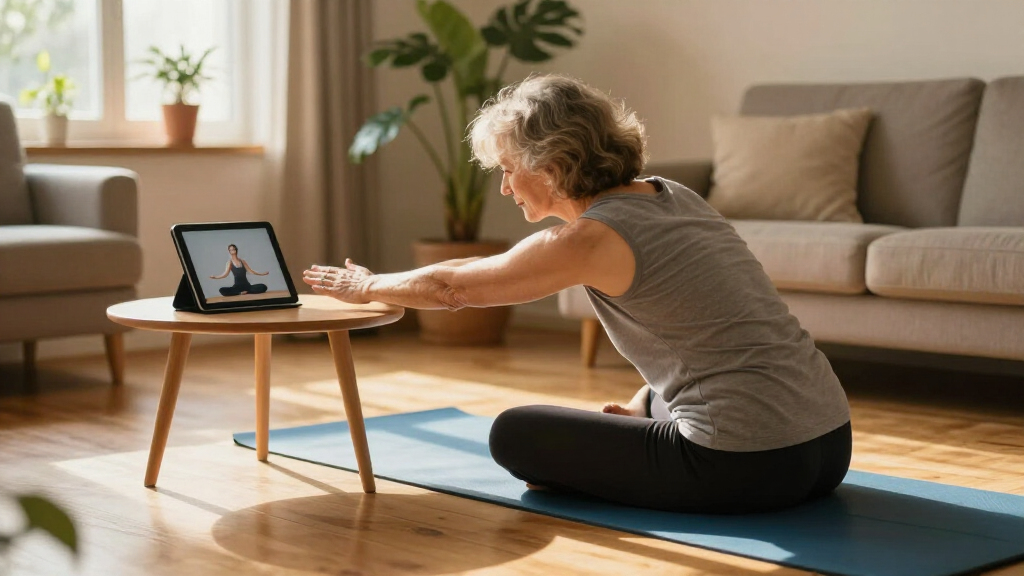
The writer turned to YouTube after several long days at a desk left their shoulders, chest and neck feeling tense. They chose Mishler’s video, titled “Yoga for Better Posture”, which is presented as a practice for the chest, shoulders and upper back. Mishler’s stated aim, according to the report, is to relieve muscles affected by sitting at a desk.
The practice opened with an invitation to notice sensations in the shoulders and upper back. The writer found this attention uncomfortable at first and felt an urge to move around. They continued, and said they felt more at ease as the session shifted attention toward breathing. The flow then included gentle, low-impact movements such as puppy pose, cobra, lunges and glute bridges.
During the routine, Mishler encouraged participants to “move at the speed of sensation.” The writer interpreted that cue as permission to set their own pace and stay longer in poses that felt useful. By the end, they reported physical relief and a quieter mind, with less attention on their to-do list. The writer said they planned to return to the routine when feeling tense.
A Routine for Desk-Bound Tension
The account speaks to a common experience for people who spend long periods working at a desk: feeling tightness around the upper body and wanting a brief way to move. It also describes a possible appeal beyond stretching. For this writer, paying attention to sensations and breathing coincided with feeling less mentally occupied by unfinished tasks.
That outcome is relevant to readers weighing whether a short video practice fits their day, but the report offers one person’s account, not a measured assessment. It includes no comparison group, clinical evaluation or evidence about how long any effects lasted. The writer’s experience can show what one session felt like for them; it cannot predict results for everyone.
The routine’s emphasis on moving at an individual pace is also part of the writer’s assessment. They say the cue encouraged them to remain in certain poses longer. That description indicates how they used the video, while leaving open how other participants might respond to the same guidance.
From Desk Work to the Mat
The report follows a straightforward sequence: after several long desk days, the writer noticed discomfort in the shoulders, chest and neck, searched YouTube for a possible routine, and chose Mishler’s posture video. They describe rolling out a mat and following the session, rather than reviewing a broader program or comparing several videos.
Mishler is identified in the source as the instructor behind Yoga With Adriene. The report describes the video as a gentle flow with an upper-body focus, and names several poses included in the practice. It does not provide the video’s length, release date, view count or other audience figures, so those details cannot be used to assess how widely it has been watched.
The central finding in the writer’s headline is personal: while the routine eased the areas that prompted the search, they felt the quieter mind was its biggest benefit. That is the writer’s own judgment about the session, rather than a claim made on behalf of the instructor or a general conclusion about yoga.
““move at the speed of sensation””
— Adriene Mishler, as quoted in the Fit&Well report
What One Session Cannot Show
The source does not say how long the writer’s relief lasted, whether they repeated the routine, or whether their tension changed in a lasting way. It also provides no measurements or independent evaluation of the session. The reported physical and mental effects should therefore be read as personal observations, not confirmed outcomes for other viewers.
It is also unclear whether the video is suitable for people with particular injuries, health conditions or movement limitations. The report does not discuss adaptations or advice for those groups. Readers’ circumstances and responses may differ, and the source does not make a broader safety or treatment claim.
The Writer Plans to Return
The only next step described in the source is the writer’s plan to revisit the same posture routine when they feel tense. The report does not announce a new program, an update from Mishler or further testing, and it gives no schedule for follow-up. Whether repeated sessions would bring the same experience remains unknown.
Key Questions
Which Yoga With Adriene video did the writer try?
The writer tried Mishler’s “Yoga for Better Posture”, described as a routine for the chest, shoulders and upper back.
What movements did the routine include?
The report lists puppy pose, cobra, lunges and glute bridges among the gentle, low-impact stretches in the flow.
What benefit did the writer describe beyond physical relief?
The writer said their mind felt quieter and they stopped running through their to-do list by the end of the practice.
Does the report show that the routine works for everyone?
No. It describes one writer’s experience during a session and does not provide evidence about how other viewers may respond or how long the effects may last.
Source: rss
Fall Picks
fall essentials
As an affiliate, we earn on qualifying purchases.