
You might notice signs of dehydration like dark-colored urine, a dry mouth, or feeling tired and dizzy. As dehydration progresses, you may experience headaches, muscle cramps, or less sweating. Your body signals imbalance through these symptoms, but thirst alone isn’t always enough to catch it early. Recognizing these signs early helps you stay properly hydrated and avoid serious issues. Keep exploring to get more tips on maintaining your hydration and electrolyte balance.
Key Takeaways
- Dark-colored urine and dry mouth are early signs of dehydration.
- Reduced sweating and feeling less thirsty may indicate fluid conservation.
- Headaches, fatigue, and dizziness often result from electrolyte imbalance.
- Rapid heartbeat and confusion are severe dehydration symptoms requiring immediate action.
- Monitoring changes in urine color and bodily sensations helps detect dehydration early.
Staying properly hydrated is essential for maintaining your body’s fundamental functions, but when you become dehydrated, your health can quickly decline. One of the first signs you might notice is a disruption in your electrolyte balance. Electrolytes like sodium, potassium, and chloride are critical for nerve function, muscle contractions, and fluid regulation. When you don’t drink enough water, or lose too much through sweating or illness, these electrolytes become imbalanced, leading to symptoms like weakness, muscle cramps, and dizziness. Recognizing early signs of electrolyte imbalance can help you take action before dehydration worsens.
Electrolyte imbalance signals dehydration and can cause weakness, cramps, and dizziness. Stay alert to protect your health.
Your body’s thirst mechanisms are designed to alert you when you need fluids, but sometimes they aren’t as responsive as they should be. You might not feel thirsty until you’re already dehydrated, especially during intense exercise or in hot weather. This delayed response can cause you to overlook your hydration needs, increasing your risk of dehydration. It’s important to listen to your body and not rely solely on thirst as an indicator. Proactively drinking water throughout the day, especially during physical activity or in hot conditions, helps maintain your hydration levels and prevents the onset of dehydration.
As dehydration progresses, you’ll likely notice darker urine, dry mouth, and reduced sweating. Your body starts conserving fluids by reducing urine output, which is a clear sign that you’re losing too much water. Headaches and fatigue often follow, as your brain and muscles are affected by the electrolyte imbalance and decreased blood volume. In severe cases, dehydration can lead to rapid heartbeat, low blood pressure, and even confusion. These symptoms are warning signs that your body is struggling to function normally and that you need to replenish lost fluids immediately.
It’s also worth noting that certain factors make dehydration more probable, such as high temperatures, strenuous exercise, alcohol consumption, or illnesses that cause vomiting or diarrhea. During these times, your electrolyte levels can become dangerously skewed, and your thirst mechanisms might not trigger early enough. To combat this, you should drink water regularly and consider electrolyte-replenishing drinks if you’re sweating excessively or experiencing symptoms of dehydration. Recognizing the signs of dehydration early allows you to stay ahead of severe health issues, ensuring your body maintains its delicate fluid and electrolyte balance. Staying vigilant about your hydration status and listening to your body’s signals can make a significant difference in maintaining your overall health and well-being.
Additionally, advances in AI technology are being explored to better monitor hydration levels and predict dehydration risks in vulnerable populations.
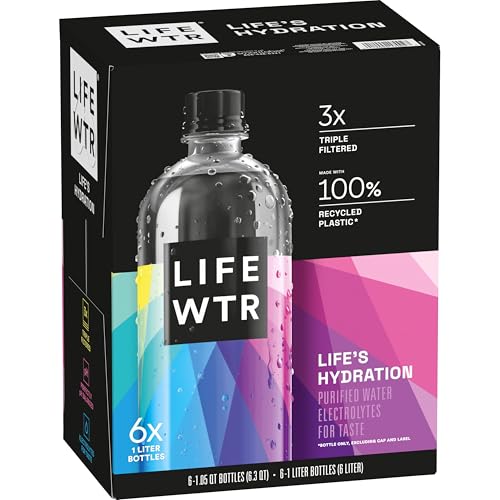
LIFEWTR Premium Purified Water, pH Balanced with Electrolytes, 100% recycled plastic bottles, 33.8 Fl Oz, 1L (Pack of 6)
Includes 6 (1L) bottles of LIFEWTR Premium Purified, pH balanced with Electrolytes Water
As an affiliate, we earn on qualifying purchases.
As an affiliate, we earn on qualifying purchases.
Frequently Asked Questions
Can Dehydration Occur During Cold Weather?
Yes, dehydration can occur during cold weather. Cold weather dehydration happens because you might not feel as thirsty, but your body still loses fluids through breathing and sweating. To prevent this, follow winter hydration tips like drinking water regularly, even if you don’t feel thirsty, and consuming warm drinks. Staying hydrated in cold weather is essential to keep your body functioning well and avoid dehydration symptoms.
How Does Dehydration Affect Mental Performance?
Imagine your brain’s like a high-performance computer, but without enough water, it starts to lag. Dehydration causes cognitive decline, making it harder to focus, think clearly, or remember details. You might feel foggy and sluggish, losing mental clarity just when you need it most. Staying hydrated keeps your mind sharp and alert—so don’t let dehydration turn your brilliant ideas into a sluggish, blurry mess.
Are There Differences in Dehydration Symptoms for Children and Adults?
You’ll notice that pediatric dehydration symptoms often include fussiness, dry mouth, and sunken eyes, while adult dehydration symptoms tend to involve dry skin, dizziness, and dark urine. Children are more vulnerable to rapid fluid loss, so their signs can be subtle but serious. Adults may experience clearer symptoms, but both need prompt hydration to prevent complications. Recognizing these differences helps you act quickly and seek medical help when needed.
Can Dehydration Be Mistaken for Other Health Issues?
Yes, dehydration can be mistaken for other health issues because symptoms like headache and fatigue overlap with conditions such as migraines or infections. Electrolyte imbalance often causes similar signs, making it tricky to identify dehydration right away. If you notice these symptoms, it’s important to evaluate your hydration status and seek medical advice, as timely rehydration can prevent more serious complications.
How Quickly Can Dehydration Symptoms Develop?
Imagine a sponge soaking up water; dehydration symptoms can develop rapidly, sometimes within a few hours, especially with severe loss of fluids. The timing of symptoms varies based on severity indicators like thirst, dry mouth, or dizziness. Mild dehydration might creep in gradually, but in extreme cases, you could notice symptoms almost immediately, signaling urgent need for rehydration. Stay alert to these signs to prevent escalation.

Enerbone 32 oz Drinking Water Bottle with Times to Drink and Straw, Motivational with Carrying Strap, Leakproof BPA & Toxic Free, Ensure You Drink Enough Water for Fitness Gym Outdoor
【Motivational Quote & Time Marker】32 oz water bottle with unique inspiration quote and time marker, reminding you to…
As an affiliate, we earn on qualifying purchases.
As an affiliate, we earn on qualifying purchases.
Conclusion
Staying hydrated is vital, as even mild dehydration can impair your focus and energy. Did you know that up to 75% of Americans may suffer from chronic dehydration? By paying attention to signs like dry mouth, fatigue, and dark urine, you can prevent dehydration and keep your body functioning at its best. Remember, drinking enough water daily isn’t just a habit — it’s essential for your overall health and well-being.
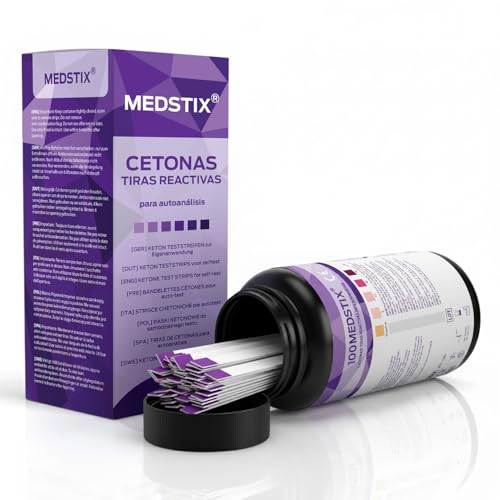
100 Ketone Test Strips for Self-Testing | Results in 45 Seconds | Easy Urine Test Strips with Color Chart | 100-Count Tube for Home, Travel, and Daily Use
✔ EASY AT-HOME SELF-TESTING – Designed for quick and simple daily use. Dip the strip into fresh urine…
As an affiliate, we earn on qualifying purchases.
As an affiliate, we earn on qualifying purchases.
dehydration symptom relief supplements
As an affiliate, we earn on qualifying purchases.
As an affiliate, we earn on qualifying purchases.