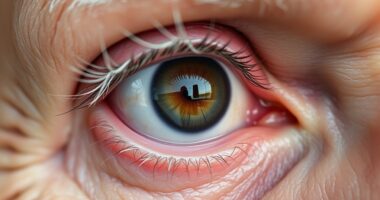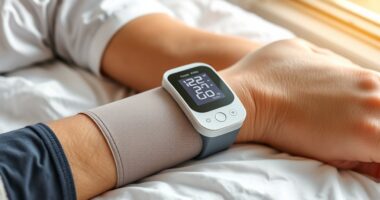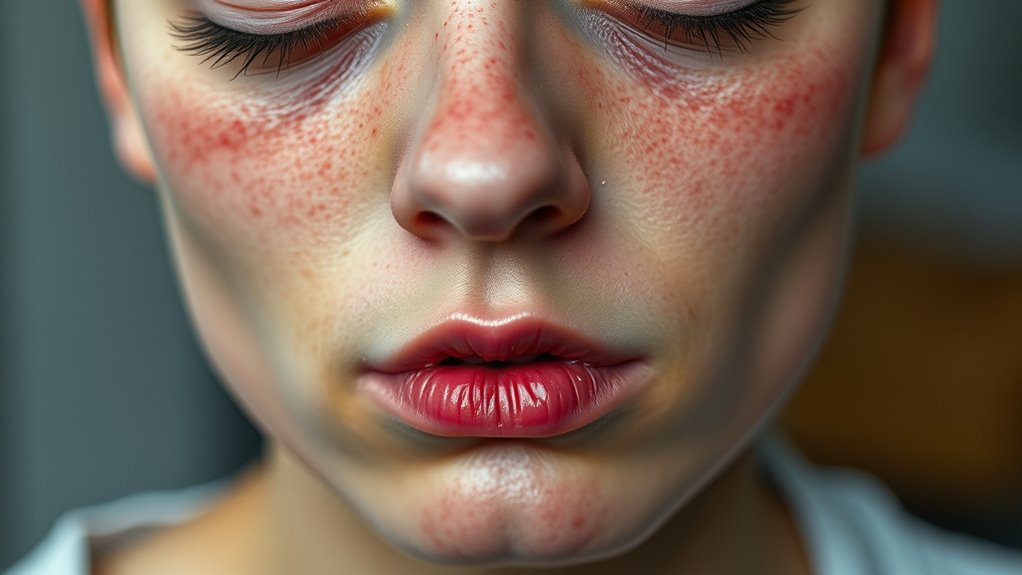

If you’re dehydrated, you might feel extremely thirsty, have a dry mouth, and notice your urine is dark and concentrated. Other signs include dizziness, headache, and feeling weak or tired. Your skin may become dry and less elastic, and your heartbeat can speed up. As dehydration worsens, confusion and rapid breathing can occur. Keeping an eye on these symptoms helps you stay ahead—continue to explore how you can better recognize and manage dehydration to stay healthy.
Key Takeaways
- Feeling extremely thirsty and dry mouth are early signs of dehydration.
- Dark-colored urine indicates concentrated waste due to low fluid intake.
- Skin that is dry and slow to recoil suggests dehydration.
- Headache, dizziness, and fatigue signal worsening dehydration.
- Reduced saliva production and little to no urine output are key symptoms.
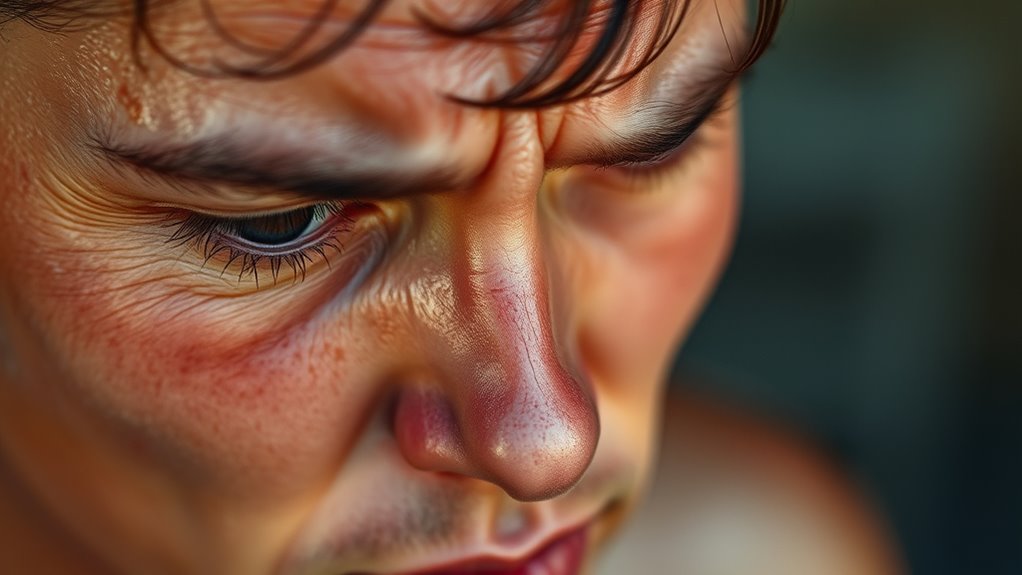
Staying properly hydrated is essential for maintaining your body’s health and function. When you don’t drink enough fluids, your electrolyte balance can become disrupted, leading to a range of dehydration symptoms that signal your body needs immediate attention. Electrolytes—such as sodium, potassium, and chloride—are indispensable for regulating nerve function, muscle contractions, and maintaining the overall fluid balance within your cells. If you notice signs like dizziness, fatigue, or muscle cramps, it could mean your body is struggling to keep electrolytes in check due to dehydration. Recognizing these symptoms early helps prevent more serious health issues.
Proper hydration is vital for electrolyte balance and overall health.
Dehydration symptoms often start subtly, but they can quickly escalate if ignored. One of the first signs is feeling extremely thirsty, but this alone isn’t enough to gauge dehydration severity. You might also experience dry mouth, little to no urine output, or dark-colored urine, which indicates concentrated waste due to insufficient fluid intake. When your body loses more fluids than it takes in, your blood volume decreases, impairing circulation and reducing the efficiency of essential organs. As dehydration worsens, you may develop a headache, feel lightheaded, or experience weakness because your blood pressure drops and your brain receives less oxygen and nutrients. These symptoms serve as an alert that your hydration levels are dangerously low.
Physical signs extend beyond just feeling unwell. You might notice your skin becoming dry and less elastic—pinch your skin gently; if it doesn’t bounce back quickly, dehydration could be the culprit. Additionally, rapid heartbeat or a feeling of confusion can occur when dehydration affects your brain and cardiovascular system. Your body attempts to compensate for fluid loss by conserving water, which often results in reduced saliva production and dry, sticky mouth. If dehydration persists, it can lead to more severe complications like heat exhaustion or heatstroke, especially if you’re exposed to high temperatures or engaging in strenuous activity. Maintaining proper hydration and electrolyte balance is crucial for preventing these adverse effects.
Being attentive to dehydration symptoms is imperative because they serve as your body’s warning system. Staying hydrated means more than just drinking water; it’s about maintaining electrolyte balance, especially during intense exercise or heat exposure. If you notice early signs, quickly rehydrate with fluids containing electrolytes—such as sports drinks or oral rehydration solutions—to restore your body’s balance. Ignoring dehydration symptoms can lead to serious health issues, including kidney problems or electrolyte imbalances that might require medical intervention. So, keep an eye on how you feel, stay ahead of the signs, and drink sufficiently to support your body’s essential functions.

Nectar Hydration Packets – Electrolytes Powder Packets – Sugar Free & 0 Calorie – Organic Fruit Liquid Daily IV Electrolytes Powder for Dehydration Relief and Rehydration (Variety 30 Pack)
All Natural Rapid Hydration – A clean, daily electrolyte drink mix optimized to hydrate you rapidly. These rehydration…
As an affiliate, we earn on qualifying purchases.
As an affiliate, we earn on qualifying purchases.
Frequently Asked Questions
Can Dehydration Occur During Sleep Without Noticeable Symptoms?
Yes, dehydration can occur during sleep without noticeable symptoms, known as sleep dehydration or silent dehydration. You might not feel thirsty or notice any signs while sleeping, but your body still loses water through breathing and sweating. If you’re not hydrating enough before bed or during the night, you could wake up dehydrated without realizing it. Drinking water before bed and maintaining proper hydration helps prevent silent dehydration during sleep.
What Are Hidden Signs of Dehydration in Children?
You might not notice hidden dehydration symptoms in children because their thirst cues can be subtle or absent. Look for signs like dry mouth, sunken eyes, or irritability, which indicate hidden dehydration symptoms. If your child appears less active or has dark-colored urine, it’s a sign they may need more fluids. Staying attentive to these cues helps you catch dehydration early, ensuring your child’s health and comfort.
How Does Dehydration Affect Mental Clarity and Focus?
Dehydration can markedly impair your mental clarity and focus. You might notice cognitive decline, feeling more forgetful or slower to think. Memory impairment also becomes apparent, making it harder to recall details or concentrate on tasks. When you’re dehydrated, your brain doesn’t function at its best, leading to decreased alertness and mental fog. Staying well-hydrated helps maintain sharpness, focus, and overall cognitive performance throughout your day.
Are Some People More Prone to Dehydration Than Others?
Yes, some people are more prone to dehydration due to differences in fluid balance and electrolyte depletion. Factors like age, activity level, climate, and health conditions influence your risk. For instance, older adults or athletes often lose fluids faster, making them more susceptible. You should stay attentive to your body’s signals, drink enough fluids, and replenish electrolytes to prevent dehydration and maintain ideal hydration.
Can Dehydration Cause Long-Term Health Issues?
Yes, dehydration can lead to long-term health issues. If you experience chronic dehydration, it may cause persistent electrolyte imbalances, which affect your body’s ability to function properly. Over time, this can damage your kidneys, impair cognitive function, and increase your risk for cardiovascular problems. Staying consistently hydrated helps prevent these issues, so pay attention to your body’s signals and drink enough water daily.

Amazon Basic Care Oral Electrolyte Solution with Zinc for Rehydration, Unflavored, No Artificial Flavors or Sweeteners, 33.8 fl oz (1-Pack)
ELECTROLYTES AND ZINC: Electrolytes are minerals that are important to keep your body hydrated; Amazon Basic Care Unflavored…
As an affiliate, we earn on qualifying purchases.
As an affiliate, we earn on qualifying purchases.
Conclusion
Staying hydrated keeps your body’s engine running smoothly, like a well-oiled machine in a thriving garden. Ignoring signs of dehydration is like letting a delicate flower wither in the sun’s harsh glare. Listen to your body’s whispers—thirst, dark urine, fatigue—and quench those signals before they turn into a storm. Remember, water is the essential elixir that sustains your life’s vibrant symphony, so sip wisely and keep your inner world lush and alive.

Venture Pal Chewable Electrolyte Tablets, 80 Count Fast-Dissolve Sugar-Free Stick Salt Tablets,Gluten Free – Variety Pack for Rapid Hydration, Outdoor Running, Hiking | Keto & Vegan Friendly | 4 Pack
VENTURE PAL ELECTROLYTE CHEWABLE TABLETS: Introducing our newest innovation, the Chewable Bite-sized Fast-Melt Electrolyte Tablets that take effect…
As an affiliate, we earn on qualifying purchases.
As an affiliate, we earn on qualifying purchases.

POWERADE Electrolyte Enhanced Zero Sugar Grape Sports Drink, 20 Ounce (Pack of 8)
50% more electrolytes* versus the leading sports drink
As an affiliate, we earn on qualifying purchases.
As an affiliate, we earn on qualifying purchases.