
As you age, your eyes naturally change, affecting your vision and eye health. You might notice difficulty reading small print, which is often due to presbyopia, and your lenses may become less clear, causing light scatter. Your eyes become more vulnerable to conditions like cataracts, glaucoma, or dry eyes. Wearing good sunglasses, maintaining a healthy diet, and scheduling regular eye exams can help manage these changes. Keep exploring to discover ways to protect and improve your eye health.
Key Takeaways
- The lens becomes less flexible, causing presbyopia and difficulty focusing on nearby objects.
- The cornea may lose transparency, leading to decreased light transmission and clarity.
- Age-related conditions like cataracts and glaucoma become more common, affecting vision health.
- Eye muscles weaken, resulting in decreased coordination and focus flexibility.
- The risk of dry eyes and other degenerative changes increases with age.
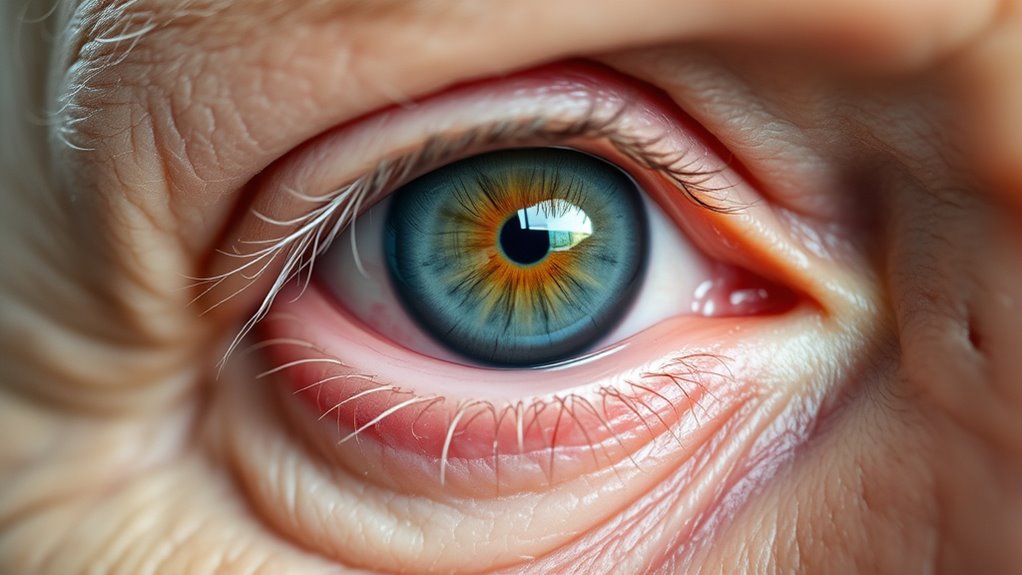
How well do you take care of your eyes? Many people overlook the importance of maintaining eye health as they age, but staying proactive can make a significant difference. One common concern is how age-related changes impact your vision and what you can do to protect your eyes. For contact lens wearers, understanding contact lens safety becomes even more essential. Proper hygiene, avoiding overnight wear, and following your eye care professional’s advice can prevent infections and discomfort. Never compromise on cleaning your lenses thoroughly and replacing them as recommended. Additionally, incorporate eye exercise routines into your daily habits. These simple exercises can strengthen eye muscles, improve focus, and reduce strain caused by prolonged screen time or reading. For example, try focusing on a nearby object, then shifting your gaze to something at a distance, repeating this several times. It’s a quick way to relax eye muscles and promote circulation. Regular use of exfoliating products like glycolic acid can also help keep the skin around your eyes healthy and reduce the appearance of fine lines.
As you age, your eyes undergo natural changes that can affect your vision. The lens inside your eye gradually becomes less flexible, leading to presbyopia—a common condition where reading or seeing things up close becomes more difficult. You might notice you need reading glasses or that your existing ones aren’t quite right anymore. The cornea, the clear front part of your eye, can also become less transparent, causing light to scatter and reducing clarity. These changes are normal but should still be monitored by an eye care professional to rule out other issues like cataracts or glaucoma. Regular eye exams are essential for detecting these age-related changes early, so you can adapt your vision correction as needed.
Another aspect of maintaining eye health involves protecting your eyes from damage and strain. Wear sunglasses that block UV rays when you’re outdoors, even on cloudy days, to shield your eyes from harmful radiation. If you spend long hours in front of screens, take regular breaks using the 20-20-20 rule: every 20 minutes, look at something 20 feet away for at least 20 seconds. This simple step helps reduce digital eye strain and fatigue. Proper lighting in your workspace also minimizes unnecessary glare and makes reading or working more comfortable. Staying hydrated and eating foods rich in omega-3 fatty acids, antioxidants, and vitamins A, C, and E supports overall eye health and can slow age-related degeneration.
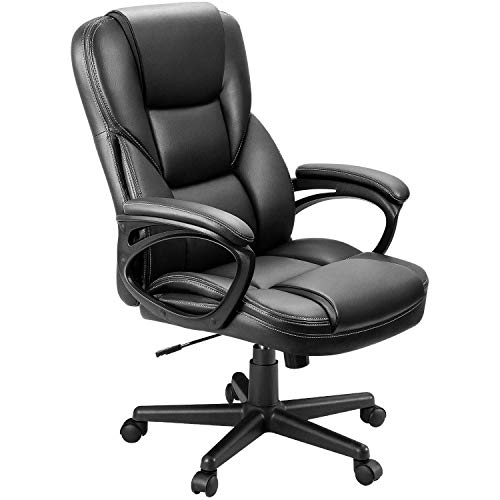
Furmax Office Executive Chair High Back Adjustable Managerial Home Desk Chair, Swivel Computer PU Leather Chair with Lumbar Support (1, Black)
Ergonomic Office Chair: Engineered for all-day comfort and rock-solid support, our executive office chair features a reinforced frame...
As an affiliate, we earn on qualifying purchases.
Frequently Asked Questions
How Can I Detect Early Signs of Age-Related Macular Degeneration?
You can detect early signs of age-related macular degeneration by scheduling regular eye exams that include retinal imaging, which reveals subtle changes in your retina. Pay attention to symptoms like blurry vision or dark spots. Your doctor may also check genetic markers linked to AMD for a better risk assessment. Early detection allows for interventions that may slow progression and preserve your vision longer.
Are There Specific Foods That Help Preserve Eye Health With Age?
You can preserve your eye health with age by eating antioxidant-rich foods like leafy greens, berries, and oranges, which help reduce oxidative stress. Incorporate omega-3 fatty acids found in fish like salmon and mackerel to support retinal health. These nutrients work together to protect your eyes from age-related damage, improve visual function, and lower the risk of conditions like macular degeneration. Make these foods a regular part of your diet for better eye health.
What Lifestyle Changes Can Prevent Cataracts?
You can prevent cataracts by making simple lifestyle changes. Embrace diet modifications that include antioxidants and vitamins, which protect your eyes from damage. Pair this with UV protection—wear sunglasses and hats outdoors to shield your eyes from harmful rays. These proactive steps act like a shield, reducing your risk and preserving your vision as you age. Taking care of your eyes today keeps clarity in focus tomorrow.
How Often Should I Get Comprehensive Eye Exams After Age 50?
You should get thorough eye exams, including vision screening and eye safety assessments, every 1-2 years after age 50. Regular exams help detect age-related changes early and prevent vision loss. If you have risk factors like diabetes or family history of eye disease, your eye care professional may recommend more frequent visits. Staying proactive ensures your eyes stay healthy and your vision remains clear as you age.
Can Eye Exercises Improve Vision Clarity in Older Adults?
Think of your eyes as a finely tuned instrument needing regular tuning. While vision training and eye strengthening exercises can help improve focus and reduce strain, they won’t necessarily sharpen clarity in older adults. These exercises may boost your eye comfort and coordination, but for significant vision improvements, you’ll want to combine them with proper eye care and regular check-ups. Keep your eyes active, but remember, some age-related changes are natural.

COLAMY High Back Executive Office Chair - Padded Leather Ergonomic Computer Desk Chair with Inflatable Lumbar Support & Flip-Up Arms, Adjustable Tilt Lock Swivel Task Chair for Home Office, Black
【CUSTOMIZABLE INFLATABLE LUMBAR SUPPORT】 Unlike standard chairs with fixed padding that barely touches your back, this ergonomic office...
As an affiliate, we earn on qualifying purchases.
Conclusion
As your eyes age like gentle rivers flowing onward, understanding these changes helps you navigate with confidence. Embrace regular check-ups like guiding stars lighting your path, and nurture your vision with care and awareness. Though time may cast shadows, your eyes can still sparkle with clarity and vibrancy. Keep them nourished, protected, and loved—so your sight remains a vibrant, unfolding story, bright and beautiful, through every chapter of life’s journey.

Serta Fairbanks Big and Tall Executive Office Chair - Ergonomic High Back Computer Desk Chair with Lumbar Support, Memory Foam Seat Cushion, Padded Armrests, Bonded Leather, 350 lb Capacity - Black
BIG AND TALL OFFICE CHAIR: Designed for larger body types with a 22.5-inch wide seat, high back design,...
As an affiliate, we earn on qualifying purchases.

COMHOMA Big and Tall Office Chair, High Back Leather Gaming Chair with Footrest, Executive Ergonomic Office Chair with Pocket Spring Lumbar Support and with Outward Fixed Soft Armrests
【Ergonomic Full-Body Design】Specifically designed for pressure dispersion and body support, the backrest features 3D wrapping lumbar support with...
As an affiliate, we earn on qualifying purchases.