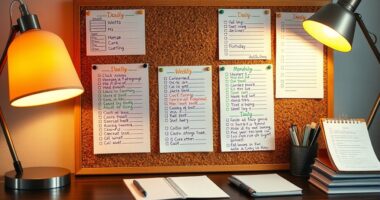

To prepare for hospital discharge, organize all your medications with clear instructions and make certain you have enough for your recovery period. Create a safe, accessible environment by removing hazards and installing safety aids like grab bars. Arrange support for daily tasks and plan follow-up care with your healthcare team. Confirming these steps are in place can make your changeover smoother and safer, and continuing will help you understand more key strategies for a confident recovery.
Key Takeaways
- Organize and review all medications, dosages, and refills; use pill organizers and update medication lists.
- Conduct a home safety check, removing hazards and installing safety devices like grab bars and proper lighting.
- Prepare a comfortable, accessible recovery space and arrange for assistance with daily tasks if needed.
- Confirm follow-up appointments, medications, and care instructions with healthcare providers before discharge.
- Ensure essential items are within reach and develop routines to support health and prevent complications.

When you’re preparing to leave the hospital, it’s essential to facilitate a smooth changeover back home. One of the most critical aspects is medication management. You’ll need to organize all your prescriptions and over-the-counter medicines, ensuring you understand the dosage, timing, and any special instructions. Take time to review your medication list with your healthcare provider or pharmacist to clarify any questions. Use a clear, easy-to-follow chart or pill organizer to keep track of your medications, which helps prevent missed doses or accidental double dosing. Make sure you have enough medication to last until your next appointment, and find out how to get refills if necessary. It’s also smart to keep a list of your medications, including doses and schedules, in your wallet or on your phone for quick reference. Proper medication management not only promotes healing but also reduces the risk of adverse effects or interactions.
In addition to managing your medications, home safety planning is crucial to ensure your environment supports your recovery and prevents accidents. Before you leave, evaluate your home for potential hazards. Remove clutter, loose rugs, or cords that could cause trips and falls. Install grab bars in the bathroom and handrails on stairs if needed, especially if balance or mobility is compromised. Make sure your home is well-lit, with accessible switches and nightlights in hallways and bathrooms. Organize essential items like your medications, glasses, and phone within easy reach, so you don’t have to stretch or bend excessively. If you use mobility aids, ensure they’re readily available and in good condition. It’s also a good idea to set up a comfortable, accessible space for rest and recovery, where you can easily access everything you need without overexerting yourself. Consider installing safety devices like smoke detectors and carbon monoxide alarms, testing them regularly to verify they work properly. If you live alone or have limited mobility, think about arranging for someone to check in on you regularly or help with tasks like grocery shopping and household chores. Additionally, understanding vehicle safety features can help you travel more securely during your recovery period.
Planning for safety and effective medication management before you leave the hospital can make a significant difference in your recovery process. By taking these steps, you create a safer environment and establish routines that support your health and well-being. Remember, don’t hesitate to ask your healthcare team for advice or resources tailored to your specific needs. Preparing thoroughly now can help you feel more confident and secure as you transition back home, setting the stage for a smoother recovery and peace of mind.

4PS Travel Pill Organizer with 164 Slice Labels,10 Compartments Travel Pill Box Portable Folding Small Pill Case Daily Pill Container Used for Carry Storage Medicine Organizer By M MUchengbao
GOOD QUALITY — Pill case Made of food-grade PP material, free of BPA, easy to clean, keep your…
As an affiliate, we earn on qualifying purchases.
As an affiliate, we earn on qualifying purchases.
Frequently Asked Questions
How Can I Manage Medication Schedules at Home Effectively?
You can manage medication schedules at home effectively by establishing clear medication routines and using a pill organizer. Set alarms or reminders to take your pills on time, and keep a detailed medication list to track doses and times. Always follow your healthcare provider’s instructions, and double-check your pill management to avoid missed or double doses. Regularly review your medication routine to guarantee consistency and safety.
What Signs Indicate a Need for Urgent Medical Attention Post-Discharge?
If you notice warning signs like severe pain, heavy bleeding, difficulty breathing, chest pain, sudden weakness, or confusion, seek emergency symptoms immediately. These signs indicate a need for urgent medical attention. Trust your instincts—if something feels wrong or worsens quickly, don’t hesitate to contact your healthcare provider or go to the emergency room. Prompt action can prevent serious complications and guarantee your safety during recovery.
Are There Community Resources Available for Ongoing Patient Support?
You’ll find community programs and patient advocacy groups readily available to support your ongoing needs. These resources often include local health services, support groups, and educational workshops that help you manage your health effectively. Coincidentally, connecting with these organizations can lead to personalized assistance, ensuring you feel confident steering your recovery. Reach out to your healthcare provider or local health department to discover the community resources designed to support you beyond the hospital.
How Do I Handle Dietary Restrictions After Leaving the Hospital?
You should focus on meal planning that aligns with your dietary restrictions, ensuring you include approved foods and avoid those that could cause issues. Consult your healthcare provider or a registered dietitian for personalized advice. Incorporate dietary supplements if recommended, but only under medical supervision. Keep a detailed food journal to track your intake, and stay informed about your condition to make smart choices that support your recovery.
What Steps Should I Take if I Experience New or Worsening Symptoms?
You notice new or worsening symptoms? Don’t overlook them. Start by symptom tracking—note what’s happening, when, and any patterns. Reach out to your emergency contacts or healthcare provider promptly to discuss your concerns. If symptoms seem severe or sudden, seek emergency care immediately. Staying vigilant and proactive helps ensure you get the right treatment quickly, giving you peace of mind during this critical time.
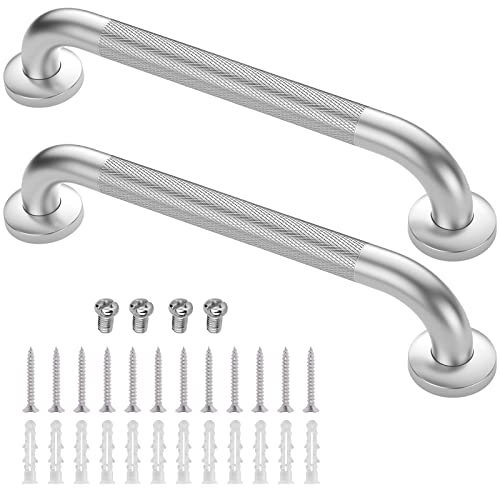
Grab Bars for Shower, 2 Pack 16 Inch Anti-Slip Safety Shower Handle for Senior, Stainless Steel Shower Grab Bars, Handicap Elderly Bathtub and Toilet Bathroom Assist
SUPERB MATERIAL: The shower grab bars for seniors is made of stainless steel which is waterproof, rustproof and…
As an affiliate, we earn on qualifying purchases.
As an affiliate, we earn on qualifying purchases.
Conclusion
As you get ready to leave the hospital, remember that good preparation is key to a smooth progression. Make sure you understand your care plan, medications, and follow-up appointments. Don’t leave anything to chance—ask questions and get clear answers. Think of it as tying up loose ends before moving on. The more you prepare now, the easier it will be to settle back at home and avoid unnecessary hiccups down the road.

Varify 17in1 Complete Drinking Water Test Kit – 100 Strips + 2 Bacteria Tester Kits – Well, Tap, Home, City Water Testing Strip for Lead, Alkaline, Chlorine, Hardness, Iron, Fluoride, Copper & More
17 IMPORTANT PARAMETERS: The Varify Premium Drinking Water Test Kit offers an unrivaled, complete analysis of your drinking…
As an affiliate, we earn on qualifying purchases.
As an affiliate, we earn on qualifying purchases.
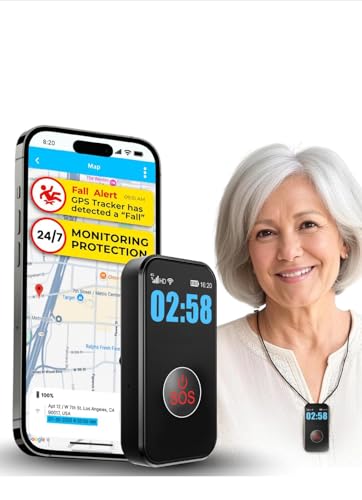
SecuLife New 2026 Fall Alert Device, Medical Alert Pendant with for Seniors, SOS Call, GPS Tracking & Reminders – Wearable Emergency Necklace for Elderly, Waterproof, 2-Way Calling, Panic Button
❤️ 𝐌𝐞𝐝𝐢𝐜𝐚𝐥 𝐀𝐥𝐞𝐫𝐭 𝐏𝐞𝐧𝐝𝐚𝐧𝐭 𝐰𝐢𝐭𝐡 𝐅𝐚𝐥𝐥 𝐃𝐞𝐭𝐞𝐜𝐭𝐢𝐨𝐧: Designed for seniors and individuals with medical conditions, this wearable alert…
As an affiliate, we earn on qualifying purchases.
As an affiliate, we earn on qualifying purchases.